Table of Contents
Choosing the right carbohydrate ingredient is one of the most important formulation decisions in food, beverage, and nutrition product development. Organic dextrose powder, organic maltodextrin, and organic glucose syrup are all widely used, yet each serves different technical and commercial purposes.
Understanding how these ingredients differ—and how to use them correctly—helps formulators optimize performance while enabling procurement teams to make confident sourcing decisions.
Understanding the Core Differences
Organic Dextrose Powder
Organic dextrose powder is a monosaccharide composed of a single glucose unit. It provides fast energy, moderate sweetness, and excellent solubility.
Key characteristics:
- Immediate glucose availability
- Clean, controlled sweetness
- High solubility and predictable processing behavior
Common uses include sports nutrition, functional beverages, and clean-label formulations.
Organic Maltodextrin
Organic maltodextrin is a glucose polymer with low sweetness and strong bulking properties.
Key characteristics:
- Minimal sweetness
- Excellent carrier and bulking function
- Slower energy release compared with dextrose
It is commonly used in nutrition powders, flavor encapsulation, and volume building.
Organic Glucose Syrup
Organic glucose syrup is a liquid carbohydrate solution offering viscosity and sweetness.
Key characteristics:
- Liquid format for easy pumping
- Provides body and moisture retention
- Suitable for bakery, confectionery, and coatings
However, it requires more complex storage and handling than dry powders.
Functional Comparison in Formulation
From a formulation perspective, the choice depends on the desired balance between sweetness, energy delivery, texture, and processing efficiency.
- Energy Speed: Dextrose delivers the fastest energy, maltodextrin provides sustained release, glucose syrup falls in between
- Sweetness Control: Dextrose allows precise sweetness adjustment, maltodextrin is nearly neutral, glucose syrup adds noticeable sweetness
- Processing Format: Powders offer flexibility and shelf stability, while syrups provide moisture and binding
In many advanced formulations, these ingredients are used together to achieve layered functionality.
How To Choose the Right Carbohydrate for Your Application
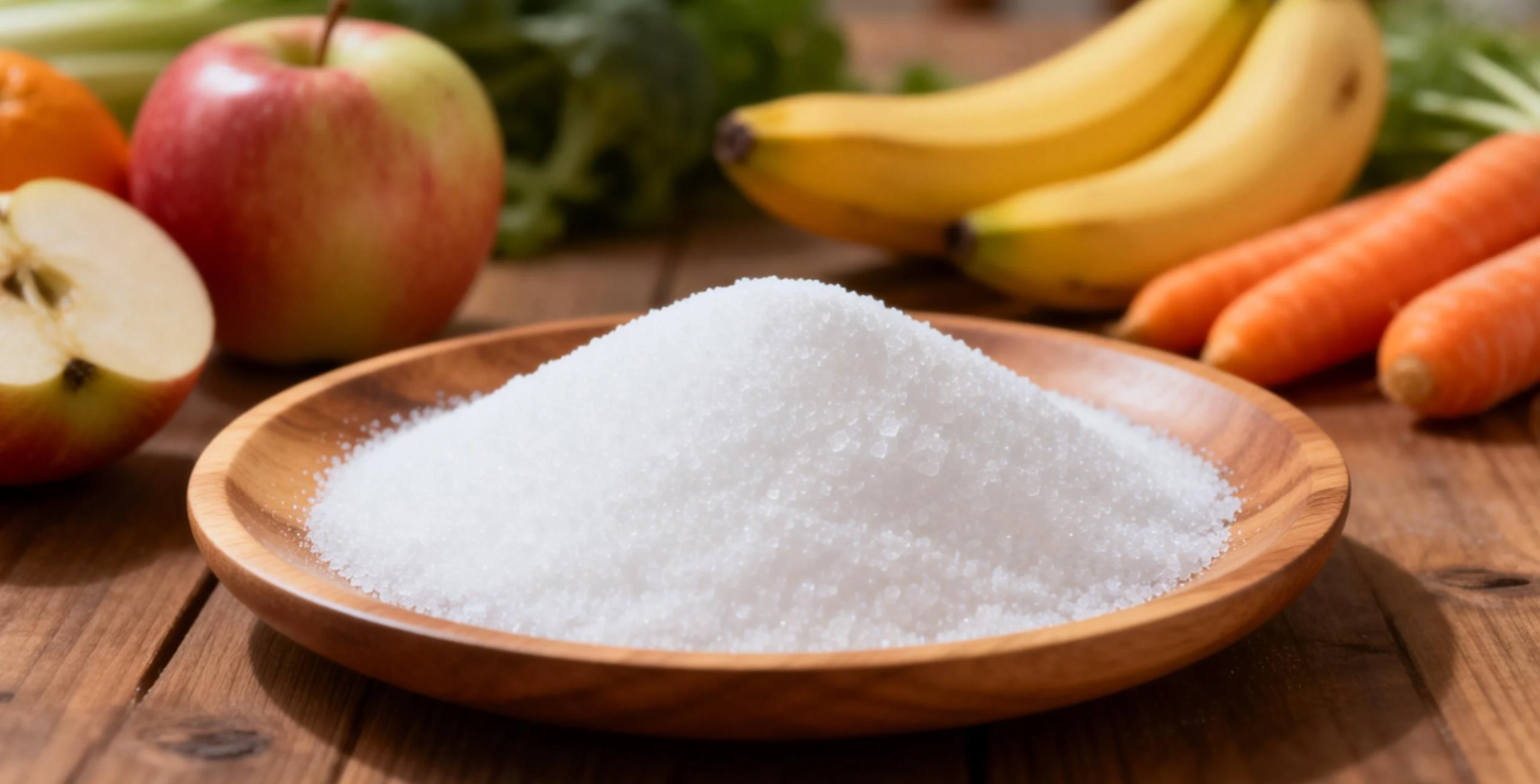
How To Choose the Right Carbohydrate for Your Application
Step 1: Define Your Primary Function
Ask whether the product needs:
Fast energy delivery → Organic dextrose powder
Bulking or carrier support → Organic maltodextrin
Moisture and binding → Organic glucose syrup
Step 2: Evaluate Processing Capabilities
Consider your production setup:
Dry blending and instant powders favor dextrose or maltodextrin
Liquid processing and baking systems may favor glucose syrup
Step 3: Align With Label and Market Strategy
For clean-label and organic products:
Use recognizable ingredient names
Minimize ingredient complexity
Ensure organic certification aligns with target markets
Organic dextrose powder often performs well across multiple strategies.
Step 4: Optimize Cost and Supply Stability
Balance formulation needs with:
Ingredient availability
Storage and logistics costs
Supplier documentation and reliability
A combination approach often yields the best long-term results.
FAQ: Organic Dextrose vs Other Carbohydrates
1: Can organic dextrose fully replace maltodextrin?
Not always. Dextrose provides sweetness and fast energy, while maltodextrin excels at bulking and carrying actives. They are often complementary.
2: Is organic glucose syrup interchangeable with dextrose powder?
Functionally no. Syrups add moisture and viscosity, while powders offer dry handling, longer shelf life, and easier logistics.
3: Which option is best for instant drink powders?
Organic dextrose powder and maltodextrin are preferred due to solubility and dry format stability.
4: How does sweetness compare?
Dextrose is moderately sweet, maltodextrin is nearly neutral, and glucose syrup offers higher perceived sweetness.
5: Which is most suitable for clean-label products?
Organic dextrose powder is often favored due to its simple, familiar name and multifunctional role.
Conclusion
Organic dextrose powder, organic maltodextrin, and organic glucose syrup each play distinct roles in food and nutrition formulations. By understanding their differences and applying them strategically, manufacturers can optimize product performance, simplify labels, and support long-term sourcing stability.
For formulators and buyers alike, a practical, application-driven approach ensures that carbohydrate selection becomes a competitive advantage rather than a constraint.
Related Products
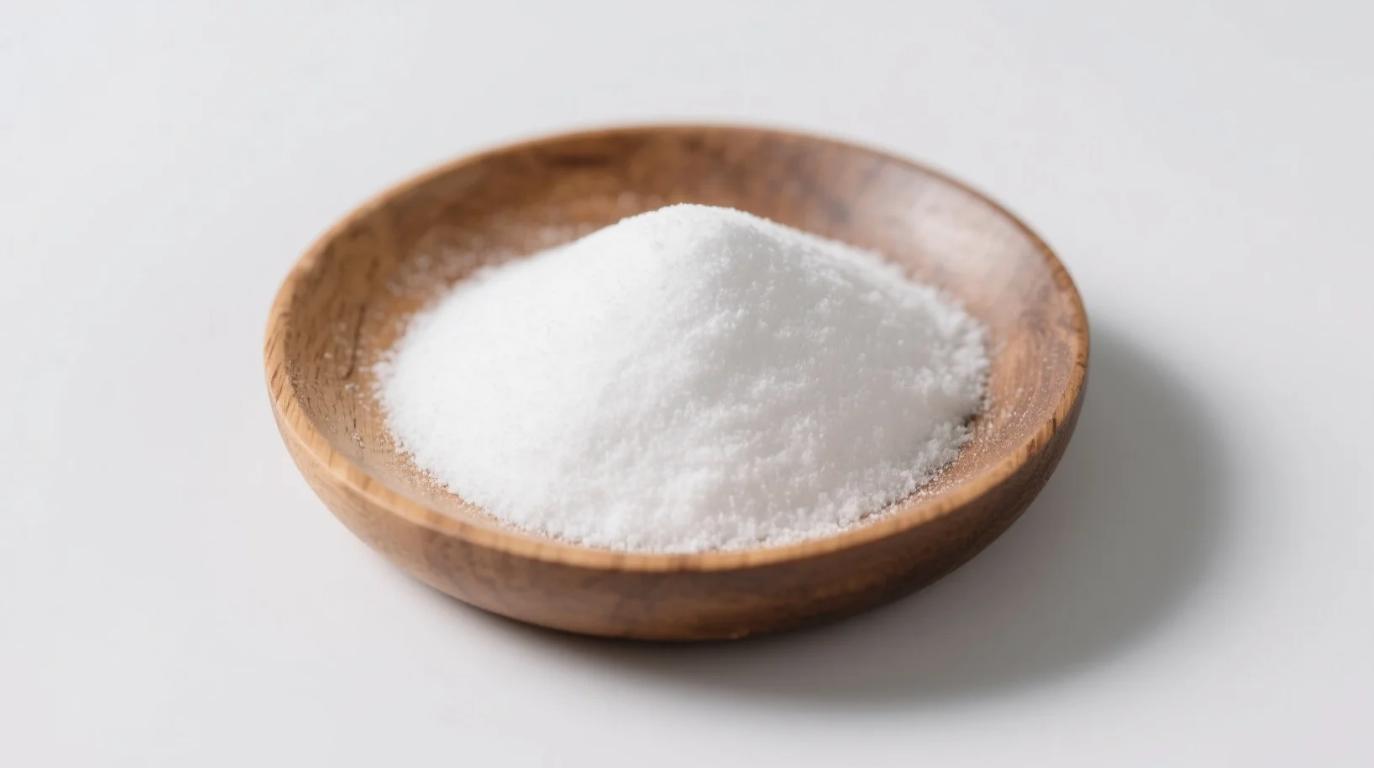
Organic Dextrose Powder
A simple, naturally derived sugar from organic corn starch, offering clean sweetness,…
Organic Glucose Syrup
A versatile, non-GMO liquid sweetener that controls crystallization and provides essential humectancy.…
Organic Maltodextrin Powder
A high-purity, non-GMO carrier and bulking agent with excellent solubility. It enhances…