Table of Contents
As organic food and nutrition markets continue to expand worldwide, organic dextrose powder has become a strategically important ingredient in global supply chains. For ingredient buyers, manufacturers, and brand owners, sourcing this carbohydrate is no longer a simple transactional process—it requires long-term planning, risk management, and supplier collaboration.
For raw material suppliers and B2B buyers alike, understanding how organic dextrose powder moves through the global supply chain is essential to maintaining consistent quality, competitive cost structures, and reliable availability.
The Growing Role of Organic Dextrose Powder in Global Markets
Organic dextrose powder is widely used across:
- Functional beverages and drink mixes
- Sports and performance nutrition
- Bakery, confectionery, and snack products
- Infant and medical nutrition
- Plant-based and clean-label formulations
As brands scale internationally, they increasingly rely on suppliers that can support multi-region compliance, stable logistics, and consistent product performance.
This has shifted sourcing priorities from short-term pricing to long-term supply partnerships.
Key Supply Chain Challenges Buyers Face
1. Raw Material Volatility
Organic dextrose powder is derived from certified organic agricultural sources, most commonly organic corn. Seasonal yields, weather conditions, and regional farming capacity directly affect raw material availability and cost.
Buyers must account for this volatility when planning production and pricing.
2. Certification and Regulatory Alignment
Different markets operate under different organic regulations. Products destined for the U.S., EU, or Asia must comply with region-specific organic standards, labeling rules, and documentation requirements.
Suppliers with experience in multi-market certification reduce compliance risks for downstream customers.
3. Quality Consistency Across Batches
In global manufacturing, even small variations in sweetness, solubility, or particle size can impact final product quality. Maintaining batch-to-batch consistency is critical, especially for:
- Beverage powders
- Sports nutrition
- Infant and medical applications
This places greater importance on process control and quality systems at the supplier level.
4. Logistics and Lead Time Management
International shipping, port congestion, and geopolitical factors can disrupt ingredient supply. Buyers increasingly prefer suppliers that offer flexible logistics solutions, buffer stock options, and transparent lead times.
Managing Cost Without Compromising Quality
Cost control remains a central concern in global sourcing, but experienced buyers understand that lowest price does not equal lowest risk.
A sustainable cost strategy for organic dextrose powder involves:
- Stable long-term contracts rather than spot purchases
- Predictable specifications that minimize reformulation costs
- Efficient packaging and shipping configurations
- Reduced audit and compliance costs through proper documentation
Suppliers that invest in upstream control and standardized production processes are better positioned to offer cost predictability, not just competitive pricing.
What Global Buyers Look for in a Strategic Supplier
From a B2B perspective, the most valued organic dextrose powder suppliers typically demonstrate:
Reliable Production Capacity
Scalable output that supports growing demand without sacrificing quality.
Transparent Documentation
Clear certificates of analysis, organic certificates, and traceability records that simplify audits.
Application Knowledge
Understanding how organic dextrose powder performs across different formulations and industries.
Long-Term Partnership Mindset
Proactive communication, technical support, and the ability to grow with customers over time.
For global buyers, these factors often outweigh short-term price differences.
Supplier Perspective: Supporting Long-Term Availability
From an ingredient supplier’s standpoint, ensuring long-term availability requires end-to-end supply chain coordination, including:
- Stable relationships with organic raw material growers
- Controlled processing and quality assurance systems
- Forward planning for production and inventory
- Strategic logistics partnerships
Suppliers that manage these elements effectively can support customers through market fluctuations and demand surges.
Organic Dextrose Powder as a Strategic Ingredient
In many formulations, organic dextrose powder is not easily substituted without affecting taste, functionality, or label claims. This makes it a strategic ingredient, particularly for brands committed to organic and clean-label positioning.
As a result, buyers increasingly seek suppliers who can offer:
- Consistency over multiple years
- Regulatory confidence across regions
- Flexibility to support new product development
This shift reinforces the importance of long-term supplier relationships.
Conclusion: Building Resilient Global Supply Chains
In today’s interconnected markets, sourcing organic dextrose powder requires more than basic procurement. It demands a strategic approach that balances quality, cost, and supply security across global operations.
For food, beverage, and nutrition brands, working with experienced ingredient suppliers helps reduce risk, stabilize production, and support sustainable growth. For suppliers, investing in supply chain resilience and customer support strengthens long-term partnerships.
Ultimately, organic dextrose powder is not just an ingredient—it is a critical link in the global organic supply chain.
Related Products
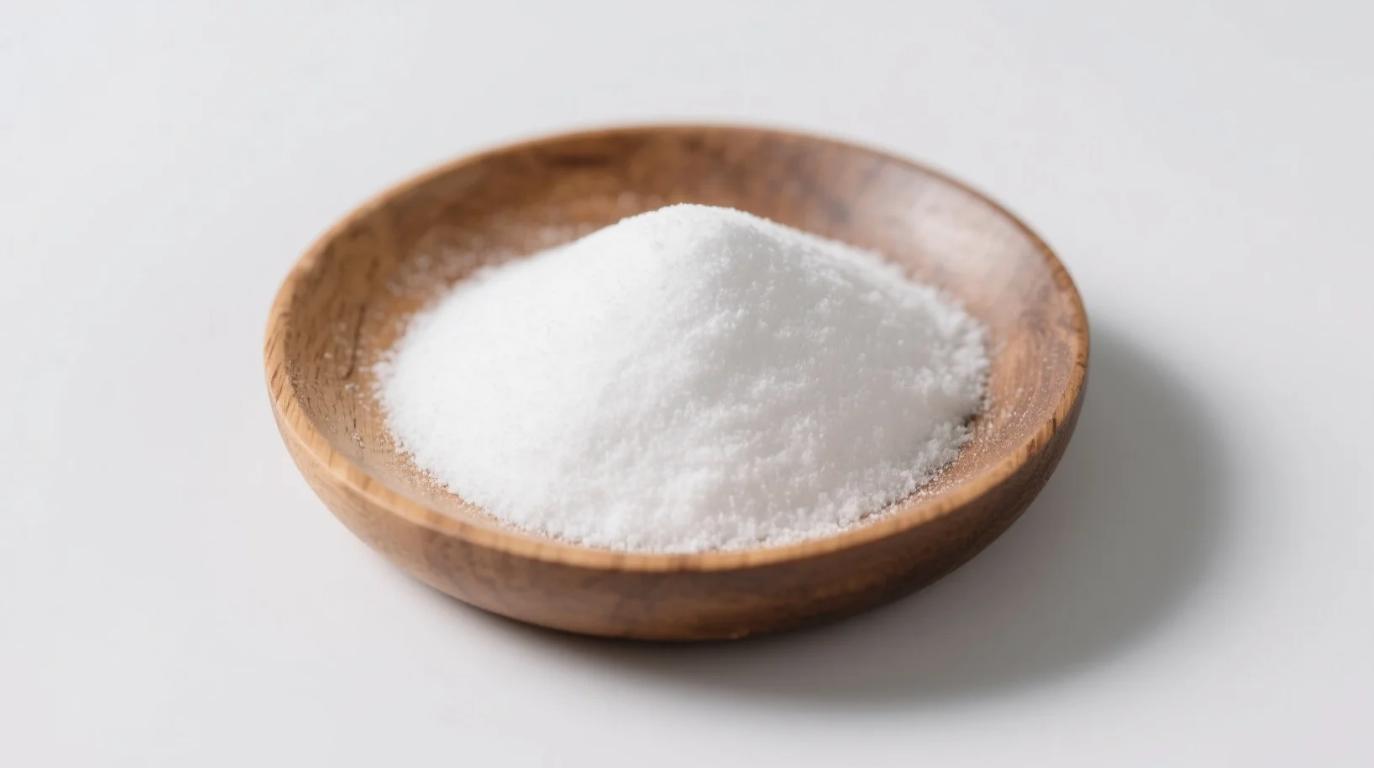
Organic Dextrose Powder
A simple, naturally derived sugar from organic corn starch, offering clean sweetness,…