Table of Contents
Clean label has evolved from a marketing buzzword into a purchasing standard. Today’s consumers actively read ingredient lists, question sourcing transparency, and favor products that are simple, natural, and responsibly produced. For manufacturers, this shift presents both a challenge and an opportunity. Choosing the right protein ingredient is critical—and organic hemp protein powder has emerged as a strong solution for clean label product development.
This article explores why organic hemp protein powder aligns so well with clean label principles, how it performs in different applications, and how brands can integrate it effectively into their formulations.
Understanding Clean Label Expectations
Although definitions vary by region, clean label products generally share several core characteristics:
- Short, recognizable ingredient lists
- Minimal processing
- Plant-based or natural origin
- Free from artificial additives, GMOs, and synthetic chemicals
- Transparent sourcing and sustainability credentials
Protein ingredients are often one of the most scrutinized components. Highly refined isolates or chemically extracted proteins may raise concerns among clean label consumers, even if they offer functional advantages.
Organic hemp protein powder offers a more natural alternative that aligns with both nutritional and ethical expectations.
Why Organic Hemp Protein Powder Fits Clean Label Formulations
1. Simple and Recognizable Ingredient
Organic hemp protein powder is typically produced by cold-pressing organic hemp seeds to remove oil, followed by gentle milling. No chemical solvents are required, and the ingredient can often be declared simply as:
“Organic hemp protein powder”
This simplicity is a major advantage for brands seeking to reduce label complexity.
2. Plant-Based and Allergen-Friendly
Hemp protein is naturally:
- Vegan and vegetarian
- Dairy-free
- Soy-free
- Gluten-free (when properly processed)
This makes it suitable for a wide range of clean label products targeting plant-based, allergen-sensitive, or flexitarian consumers.
3. Balanced Nutritional Profile
Unlike highly purified protein isolates, organic hemp protein powder delivers nutrition in a more whole-food format:
- Protein content typically ranges from 50% to 65%
- Contains all essential amino acids
- Naturally rich in dietary fiber
- Provides minerals such as magnesium, iron, and zinc
This nutritional balance supports clean label positioning focused on “naturally nutritious” rather than “engineered nutrition.”
4. Sustainability and Traceability
Clean label increasingly overlaps with sustainability. Organic hemp is widely recognized for its environmental benefits:
- Requires relatively low water input
- Grows quickly without heavy pesticide use
- Improves soil structure through deep root systems
When sourced from certified organic supply chains, hemp protein also offers strong traceability, which is increasingly important for brand credibility.
Application Advantages in Product Development
Organic hemp protein powder is used across multiple clean label categories:
- Plant-based protein powders and blends
- Nutritional bars and snacks
- Functional beverages and smoothies
- Bakery products and plant-based mixes
- Meal replacement and wellness formulations
Its slightly nutty, earthy flavor can enhance “natural” taste profiles, particularly in products positioned as minimally processed or whole-food based.
From a formulation perspective, hemp protein contributes not only protein but also texture and fiber, reducing the need for additional functional additives.
How to Use Organic Hemp Protein Powder in Clean Label Formulations
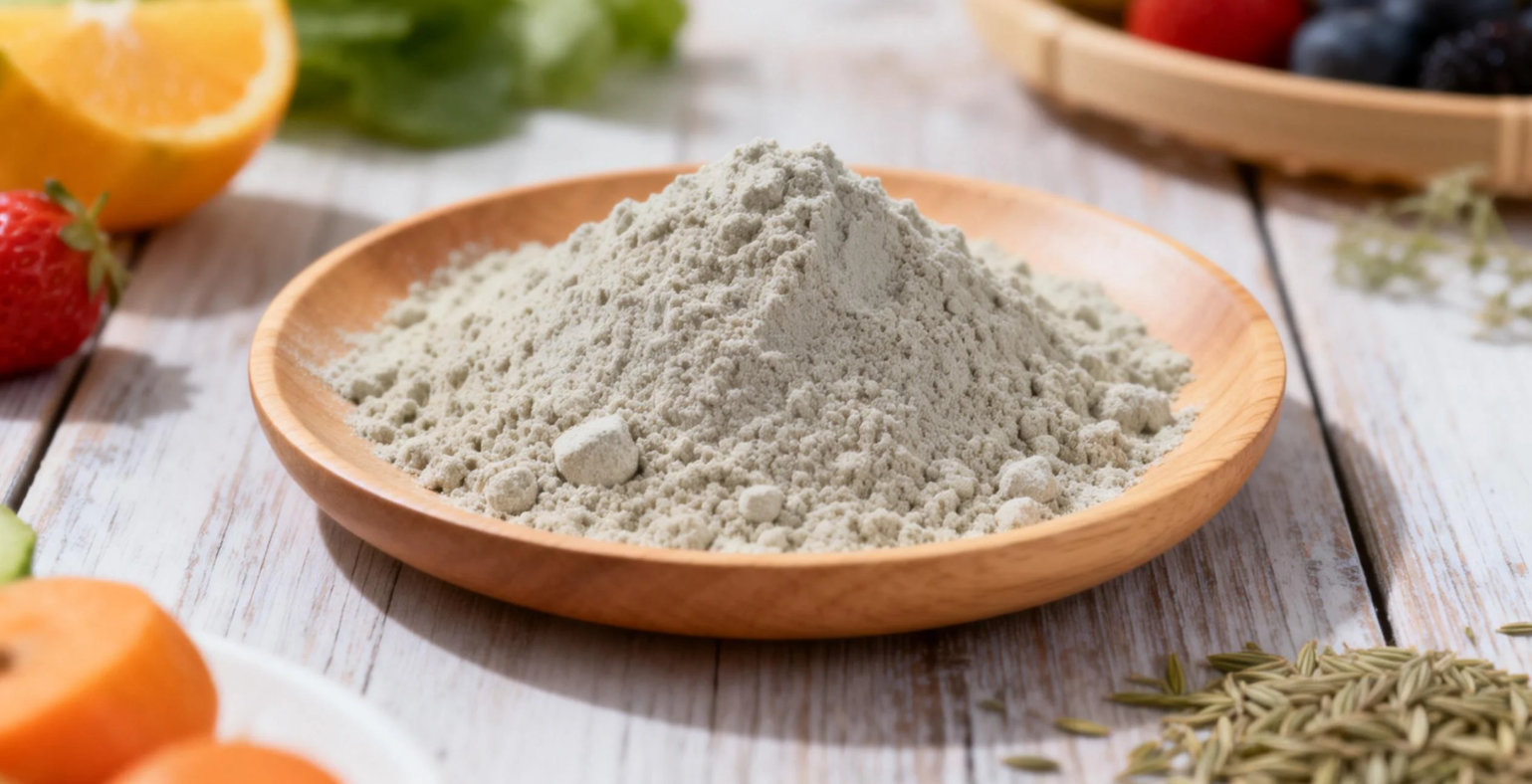
How To Incorporating Organic Hemp Protein Powder Successfully
Step 1: Define Your Clean Label Positioning
Determine whether your product emphasizes organic certification, plant-based nutrition, sustainability, or minimal processing. This will guide protein selection and inclusion rate.
Step 2: Choose the Right Specification
Organic hemp protein powders vary by protein content, mesh size, and color. Finer powders work better in beverages, while coarser grades may be suitable for bakery or bars.
Step 3: Optimize Flavor Balance
Hemp protein has a natural taste that pairs well with cocoa, vanilla, coffee, nuts, or seeds. In clean label products, natural flavor masking strategies are preferred over artificial systems.
Step 4: Adjust Texture and Hydration
Because hemp protein contains fiber, it absorbs more water than isolated proteins. Hydration levels should be adjusted to maintain smooth textures, especially in beverages.
Step 5: Validate Label Claims
Ensure all organic, non-GMO, and allergen-free claims are supported by documentation from your supplier.
Organic Hemp Protein Powder vs. Highly Refined Proteins
For clean label brands, the choice is often between functionality and perception. While isolates such as pea protein isolate or soy protein isolate may offer higher protein percentages, they often require more processing steps.
Organic hemp protein powder provides a more “honest label” solution, even if protein content per gram is slightly lower. Many brands find that consumers value transparency and natural sourcing over maximum protein concentration.
FAQ: Organic Hemp Protein Powder for Clean Label Products
Is organic hemp protein powder considered minimally processed?
Yes. Most organic hemp protein powders are produced using mechanical processes without chemical solvents, aligning well with minimal processing principles.
Does hemp protein contain THC?
Certified organic hemp protein powder is derived from industrial hemp varieties and contains no psychoactive effects. THC levels comply with regulatory limits.
Can hemp protein be used in beverages?
Yes, although formulation adjustments may be needed due to its fiber content. It is commonly used in smoothies, shakes, and plant-based nutrition drinks.
Is organic hemp protein suitable for sports nutrition?
It is suitable for brands emphasizing whole-food or plant-based recovery rather than high-purity isolates. It supports balanced nutrition and digestibility.
What certifications should buyers look for?
Key certifications include organic certification (USDA Organic or EU Organic), non-GMO status, and full traceability documentation.
Making Organic Hemp Protein Part of Your Clean Label Strategy
As clean label standards continue to shape consumer expectations, ingredient selection becomes a strategic decision rather than a technical one. Organic hemp protein powder enables brands to deliver plant-based protein with transparency, sustainability, and nutritional integrity.
For manufacturers seeking to future-proof their product lines, organic hemp protein powder represents more than a protein source—it is a statement of values aligned with clean label innovation.
Related Products
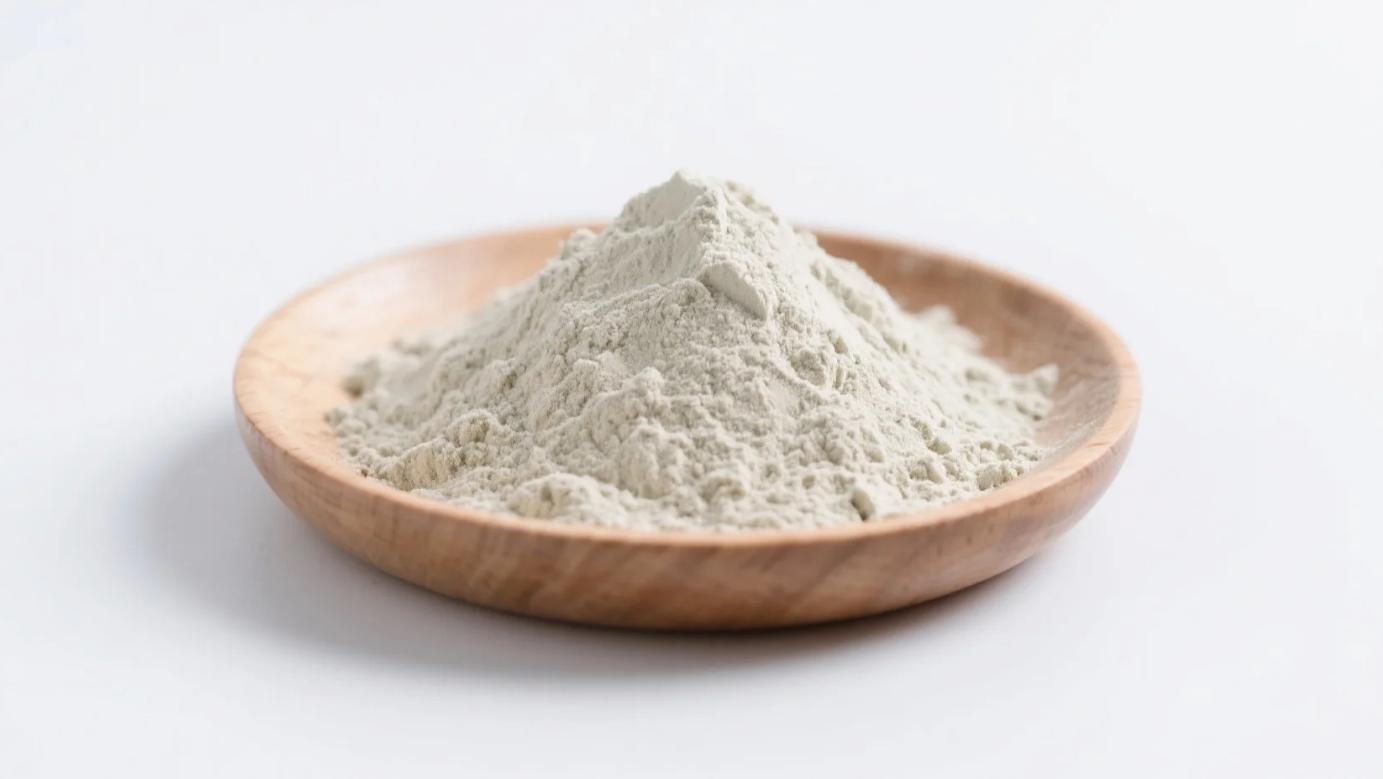
Organic Hemp Protein Powder
Other Name: Organic Hemp Seed Protein, Organic Cold Pressed Hemp Protein
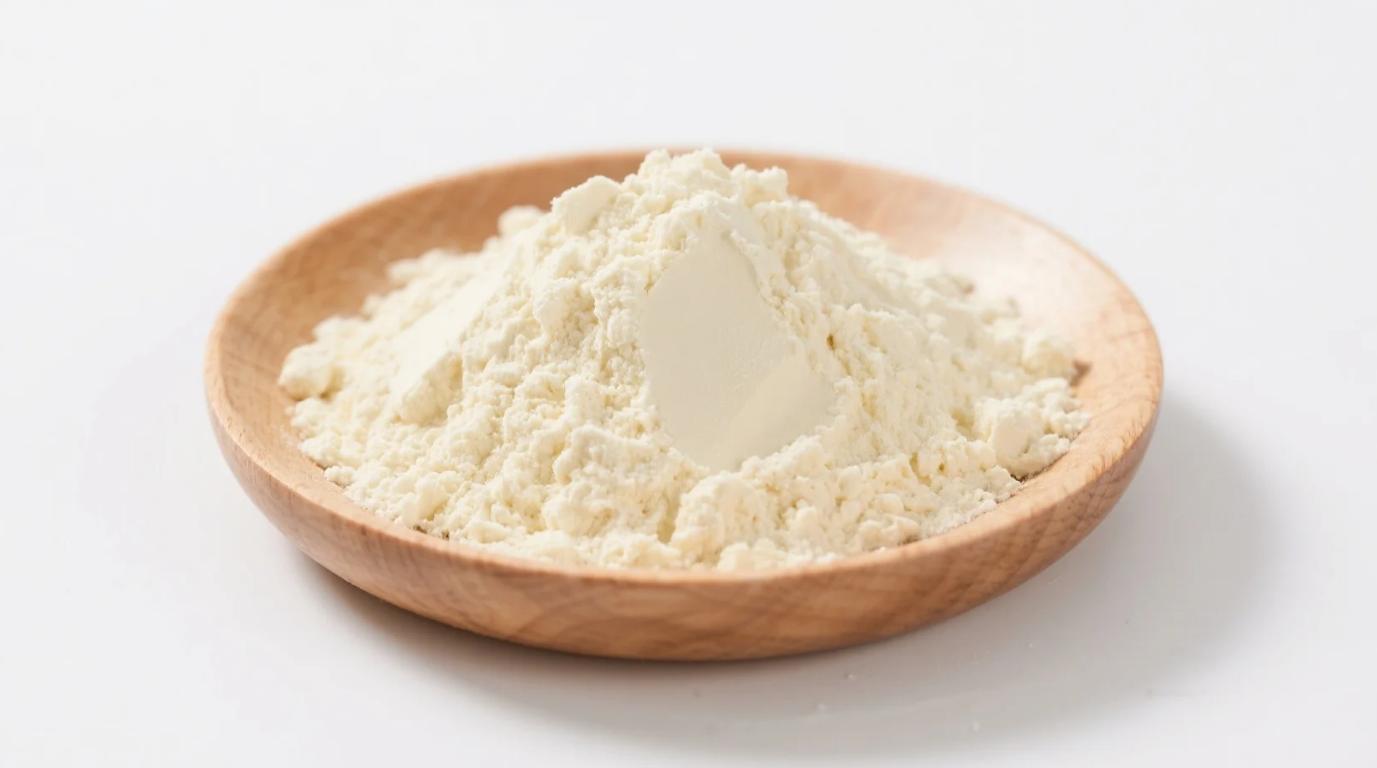
Organic Soy Protein Powder
Organic soy protein offers 65-90% complete plant protein with heart-health benefits. Options…

Organic Pea Protein Powder
A high-purity, 80% vegan protein isolate with a robust amino acid profile.…