What is Organic Maltodextrin Powder?
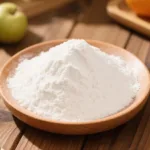
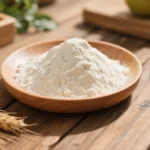
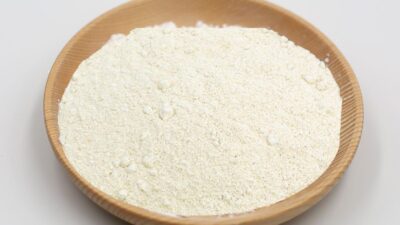
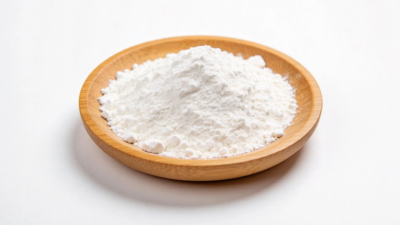
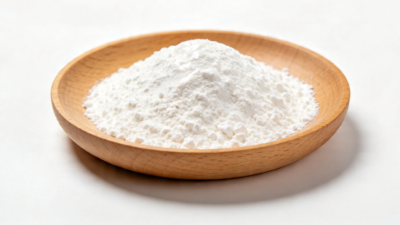
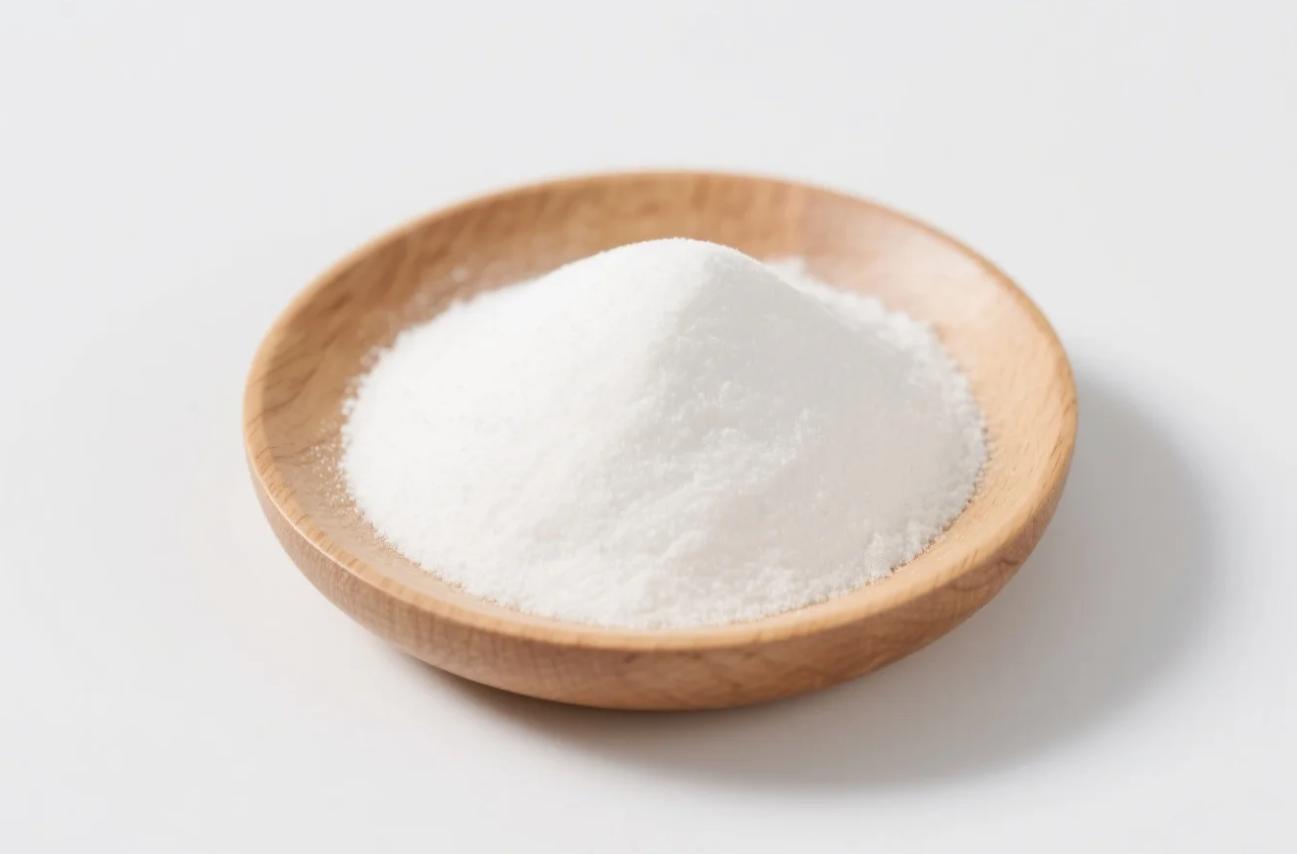
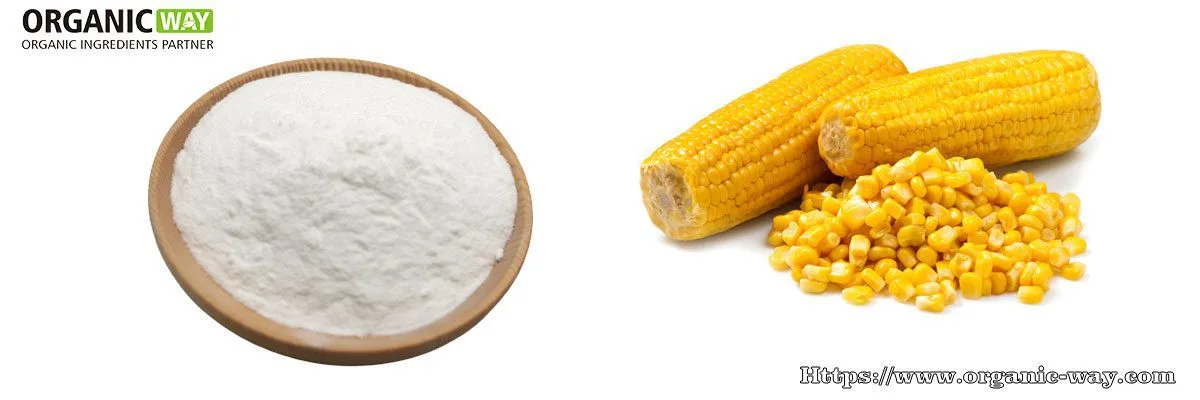
Organic Maltodextrin Powder is a white-to-off-white, neutral-tasting carbohydrate polymer produced through the enzymatic hydrolysis of certified organic corn or tapioca starch. The degree of hydrolysis — expressed as the Dextrose Equivalent (DE) — determines the molecular chain length and, with it, the product’s functional profile: sweetness, solubility, hygroscopicity, viscosity, and film-forming capacity.
Unlike conventional maltodextrin, our organic version is processed using enzyme-only hydrolysis with no synthetic acids, bleaches, or chemical processing aids — making it fully compatible with clean-label, organic, and natural product formulations.
Understanding Dextrose Equivalent (DE)
The DE value is the single most important specification when selecting maltodextrin for a formulation. It indicates the degree of starch hydrolysis relative to pure glucose (DE = 100). A lower DE means longer polymer chains, lower sweetness, and higher viscosity. A higher DE means shorter chains, faster solubility, and slightly higher sweetness.
| DE Grade | Sweetness | Viscosity | Solubility | Hygroscopicity | Primary Function |
|---|---|---|---|---|---|
| DE 8–10 | Negligible | Highest | Moderate | Lowest | Fat replacement, texture, film formation |
| DE 10–15 | Very low | Medium | High | Medium | Standard carrier, bulking agent, flavor delivery |
| DE 15–20 | Low | Lowest | Excellent | Higher | Spray-drying carrier, encapsulation, energy substrates |
Why Choose Organic Maltodextrin?
- Clean-label compatibility: No artificial additives, no chemical processing aids, no solvent extraction
- Dual organic certification: Both USDA NOP and EU Organic — suitable for products sold in North American and European markets
- Source flexibility: Available in corn or tapioca base — tapioca preferred for corn-free or specialty dietary formulations
- Functional versatility: From spray-drying to fat replacement to flavor encapsulation in a single ingredient
- Consistent quality: Each batch tested for purity, moisture, DE value, microbiological safety, and heavy metals with COA issued per production run
Starch Sources Available
- Organic Corn Maltodextrin — Standard source; optimal for most food and beverage applications
- Organic Tapioca Maltodextrin — Corn-free option; preferred for paleo, allergen-conscious, and specialty natural formulations
TECHNICAL SPECIFICATIONS
Physical & Chemical Specification by DE Grade
| Parameter | DE 8–10 | DE 10–15 | DE 15–20 | Test Method |
|---|---|---|---|---|
| Appearance | White fine powder | White fine powder | White fine powder | Visual |
| Taste | Neutral, bland | Neutral, very slight sweetness | Neutral, slight sweetness | Organoleptic |
| Dextrose Equivalent (DE) | 8–10 | 10–15 | 15–20 | Lane-Eynon / HPLC |
| Moisture Content | ≤6.0% | ≤6.0% | ≤6.0% | AOAC 925.09 |
| pH (10% solution) | 4.0–6.0 | 4.0–6.0 | 4.0–6.0 | AOAC 981.12 |
| Ash (Sulphated) | ≤0.6% | ≤0.6% | ≤0.6% | AOAC 923.03 |
| Protein | ≤0.1% | ≤0.1% | ≤0.1% | AOAC 991.20 |
| Fat | 0 g | 0 g | 0 g | AOAC 922.06 |
| Reducing Sugars (as glucose) | ≤10.0% | ≤15.0% | ≤20.0% | Lane-Eynon |
| Sulfur Dioxide (SO₂) | ≤10 mg/kg | ≤10 mg/kg | ≤10 mg/kg | Monier-Williams |
| Particle Size (through 80 mesh) | ≥97% | ≥97% | ≥97% | US Sieve |
| Colour | White (APHA ≤10) | White (APHA ≤10) | White (APHA ≤10) | ICUMSA GS1 |
| Solubility | 1:3 in water | 1:2 in water | 1:1.5 in water | USP dissolve test |
| Bulk Density | 0.40–0.60 g/mL | 0.40–0.60 g/mL | 0.40–0.60 g/mL | USP <616> |
| Non-GMO | Verified | Verified | Verified | PCR |
| Gluten | <20 ppm | <20 ppm | <20 ppm | ELISA R5 |
| Pesticide Residue | NOP & EU compliant | NOP & EU compliant | NOP & EU compliant | GC-MS / LC-MS-MS |
| Heavy Metals (as Pb) | <5 mg/kg | <5 mg/kg | <5 mg/kg | ICP-OES |
Microbiological Standards
| Test | Limit | Test Method |
|---|---|---|
| Total Plate Count (TPC) | <10,000 CFU/g | AOAC 990.12 |
| Mould & Yeast | <100 CFU/g | AOAC 997.02 |
| Coliforms | <100 CFU/g | ISO 4832 |
| E. coli | Negative / <10 CFU/g | ISO 16649-2 |
| Salmonella spp. | Negative / 25g | ISO 6579-1 |
| Staphylococcus | Negative | ISO 6888-1 |
Heavy Metal Standards
| Metal | Limit | Reference |
|---|---|---|
| Lead (Pb) | <0.5 mg/kg | FDA RL / EU Regulation |
| Arsenic (As) | <0.5 mg/kg | EFSA CONTAM Panel |
| Cadmium (Cd) | <0.1 mg/kg | EFSA CONTAM Panel |
| Mercury (Hg) | <0.1 mg/kg | FDA RL |
Testing Methods Reference
| Parameter | Method |
|---|---|
| DE Value | Lane-Eynon titration or HPLC |
| Moisture | AOAC 925.09 |
| Ash | AOAC 923.03 |
| Heavy Metals | ICP-MS per AOAC 2015.01 |
| Pesticide Residues | GC-MS / LC-MS-MS per EU 396/2005 |
| Microbiology | ISO 4832, ISO 16649-2, ISO 6579-1 |
| Non-GMO | PCR-based identity testing |
| Gluten | ELISA R5 Mendez method |
FUNCTIONAL PROPERTIES & DE GRADE COMPARISON
DE Grade Selection Guide
| Functional Need | Recommended DE Grade | Reason |
|---|---|---|
| Spray-drying carrier for fruit juice, plant extracts, oils | DE 15–20 | Highest solubility and film-forming speed; lowest viscosity for pump spray systems |
| Fat replacement / creamy mouthfeel in low-fat products | DE 8–10 | High viscosity mimics fat texture; minimal sweetness contribution |
| Bulking agent in powder blends and sachets | DE 10–15 | Balanced solubility and neutral taste; excellent flow properties |
| Encapsulation matrix for flavors and active ingredients | DE 15–20 | Rapid solubility ensures fast wall-matrix formation |
| Anti-caking agent in dry mixes | DE 8–10 or DE 10–15 | Hygroscopic coating of other particles reduces clumping |
| Energy carbohydrate in sports drinks and gels | DE 15–20 | Higher solubility and faster absorption; moderately rapid energy release |
| Infant formula carbohydrate base | DE 10–15 | Gentle on developing digestive systems; neutral taste; easy dissolution |
| Flavor carrier in dry seasoning blends | DE 10–15 | Neutral flavor; excellent flavor binding and retention |
| Film coating for tablets | DE 8–10 | Low DE produces stable, consistent film due to longer polymer chains |
Functional Property Comparison
| Property | DE 8–10 | DE 10–15 | DE 15–20 |
|---|---|---|---|
| Sweetness (relative to sucrose) | <5% | 5–10% | 10–20% |
| Solubility | Moderate | High | Excellent |
| Viscosity (10% solution, 25°C) | Highest | Medium | Lowest |
| Hygroscopicity | Lowest | Medium | Higher |
| Film-forming capacity | Excellent | Good | Moderate |
| Fat replacement capacity | Best | Good | Limited |
| Water activity depression | High | Medium | Low |
| Maillard browning potential | Lowest | Medium | Highest |
APPLICATIONS & USAGE GUIDELINES
Recommended Application Sectors
| Application | Recommended DE | Usage Level | Key Functions |
|---|---|---|---|
| Spray-drying carrier | DE 15–20 | 10–40% of dry basis | Converts liquids, extracts, oils into stable free-flowing powders |
| Sports nutrition (recovery shakes, energy gels) | All grades | 5–30% | Rapid/sustained carbohydrate energy; improves texture and mouthfeel |
| Fat replacement (dressings, low-fat dairy analogues) | DE 8–10 | 2–8% | Mimics creaminess and body; calorie reduction without texture loss |
| Flavor encapsulation | DE 15–20 | 20–60% | Wall matrix for essential oils, spice extracts, and flavor compounds |
| Dry beverage mixes & sachets | DE 10–15 | 5–20% | Bulking, free-flow, fast reconstitution |
| Infant formula | DE 10–15 | 3–10% | Digestible carbohydrate; neutral taste; osmolality management |
| Protein bar & nutrition bar | DE 10–15 | 5–15% | Binding, texture, protein particle dispersion |
| Baked goods (moisture retention) | DE 8–10 | 2–5% | Humectancy; extends shelf life; improves crumb texture |
| Pharmaceutical tablet excipient | DE 8–10 | Variable | Diluent, binder, film-coating agent |
| Confectionery (hard candy, gummies) | DE 10–15 | 2–8% | Controls crystallization; adjusts texture and chewability |
Formulation Notes
- Organic Maltodextrin is water-soluble and heat-stable up to 200°C — suitable for hot-fill and retort processing
- At high use levels (>20%), viscosity increases significantly, especially for DE 8–10; adjust water content accordingly
- Maltodextrin is not a low-GI ingredient — GI is similar to or slightly above glucose. For low-GI formulations, substitute with Organic Isomaltulose (GI ~35) or a blend with dietary fiber
- In spray drying: blend ratio of maltodextrin to active ingredient typically ranges from 1:1 to 4:1 (by weight) depending on active solubility and required encapsulation efficiency
- In fat-replaced formulations: use DE 8–10 at 3–5% to recreate viscosity and mouthfeel lost from fat reduction; pair with inulin or pectin for improved body
- DE 15–20 is more hygroscopic — ensure tight packaging and controlled humidity storage to prevent caking during warehousing
CERTIFICATIONS
| Certification | Status | Issuing Body |
|---|---|---|
| USDA Organic (NOP) | Available | USDA-accredited certifier |
| EU Organic | Available | EU-authorized certifier |
| Non-GMO Project Verified | Available | Non-GMO Project |
| Gluten-Free (<20 ppm) | Available | GFCO / AACC |
| Kosher (Pareve) | Available | OU / Star-K |
| Halal | Available | MUI / IFIC |
| FSSC 22000 | Available | Accredited certification body |
| GMP (Food Grade) | Available | National authority |
| FDA Food Facility Registration | Available | US FDA |
COA (Certificate of Analysis) and C/A (Certificate of Conformance) provided with each batch. SDS and TDS available on request.
FAQ
Q1: What is Dextrose Equivalent (DE) and why does it matter for my formulation?
A: Dextrose Equivalent (DE) is a measure of the degree of starch hydrolysis, expressed as a percentage relative to pure glucose (DE = 100). The lower the DE, the longer the polysaccharide chains — resulting in higher viscosity, lower sweetness, and lower hygroscopicity. The higher the DE, the shorter the chains — giving better solubility, faster dissolution, and moderate sweetness. Selecting the right DE grade is critical: DE 8–10 is the standard choice for fat replacement and film coating; DE 10–15 for bulking and flavor carrying; DE 15–20 for spray drying and encapsulation. Mismatching DE grade to application can result in viscosity problems, poor spray drying yields, or off-flavors.
Q2: Is Organic Maltodextrin truly gluten-free?
A: Yes. Even when derived from a wheat base (though our primary source is organic corn or tapioca), the enzymatic hydrolysis and purification process breaks down and removes gluten proteins to well below the 20 ppm threshold established by FDA and EU regulations for gluten-free labeling. All production batches are tested using ELISA R5 Mendez method. For markets with strict corn-free or cross-contamination requirements, our Organic Tapioca Maltodextrin is the preferred specification.
Q3: What is the glycemic index (GI) of Organic Maltodextrin?
A: Organic Maltodextrin has a high glycemic index — similar to or slightly higher than glucose (GI ≈ 85–110 depending on DE grade and individual metabolic response). It is a rapidly absorbed carbohydrate and is not suitable for formulations marketed as “low-GI.” For low-glycemic applications, consider using Organic Isomaltulose (GI ~35) or combining maltodextrin with soluble dietary fiber (inulin, pectin) to slow digestion and reduce glycemic impact. Maltodextrin is well-suited for sports recovery products and infant nutrition where rapid, accessible energy is desirable.
Q4: How does Organic Maltodextrin work as a spray drying carrier?
A: In spray drying, maltodextrin acts as the wall material (carrier) that encapsulates liquid actives — including fruit juices, plant extracts, essential oils, probiotics, and omega fatty acids. Dissolved in water with the active ingredient, the solution is atomized into a hot drying chamber; the maltodextrin rapidly forms a thin, amorphous film shell around the active particles as water evaporates. DE 15–20 is preferred for spray drying because its lower viscosity allows higher solids loading in the feed solution, improving yield and reducing energy costs. Typical carrier:active ratios are 1:1 to 4:1 by dry weight.
Q5: Can Organic Maltodextrin replace modified food starch on an ingredient label?
A: In many applications, yes. Organic Maltodextrin can replace “modified food starch” as a clean-label bulking agent and carrier. While it does not match modified starch in thickening performance, it provides the body, stability, and water-binding functionality that formulators seek — without the need for chemical modification. Organic Maltodextrin appears on ingredient labels as “Organic Maltodextrin” or “Organic Corn Maltodextrin,” which is universally recognized as a clean-label ingredient. It also supports NOP and EU Organic certification, which modified food starch typically cannot.
Q6: What is the difference between Organic Corn Maltodextrin and Organic Tapioca Maltodextrin?
A: Both sources are functionally similar in terms of DE performance, solubility, and nutritional profile. The primary difference is allergen and dietary positioning. Organic Corn Maltodextrin is our standard source and is suitable for most food, beverage, and supplement applications. Organic Tapioca Maltodextrin (cassava-derived) is corn-free — important for formulators targeting paleo, Whole30, or corn-sensitive consumer groups. Tapioca maltodextrin has a slightly cleaner flavor profile and is often preferred in premium natural supplement applications. Both sources are Non-GMO Verified and certified gluten-free.
Q7: What is the minimum order quantity (MOQ) and lead time?
A: MOQ is 20 kg for sample and trial orders. Commercial order MOQ is 500 kg. Standard lead time is 14–21 days from order confirmation depending on DE grade, source, and production scheduling. Expedited production may be available for time-sensitive projects — contact our sales team for lead time confirmation. Full batch COA is issued for every production run and provided with every shipment.
Q8: How does Organic Maltodextrin function as an anti-caking agent?
A: Maltodextrin particles act as a physical barrier coating over other hygroscopic ingredients in dry blends — such as fruit sugars, salt, or high-intensity sweeteners. The uniform particle size and low moisture content of organic maltodextrin allow it to coat and encapsulate these “sticky” particles, preventing them from absorbing ambient moisture and agglomerating. DE 8–10 is most effective for anti-caking due to its lower hygroscopicity. Typical use level for anti-caking is 2–5% of the total blend weight.
PACKAGING & STORAGE
Packaging Options
| Package Size | Packaging Material | MOQ |
|---|---|---|
| 1 kg | Aluminum foil pouch | Trial |
| 5 kg | Aluminum foil pouch | Trial |
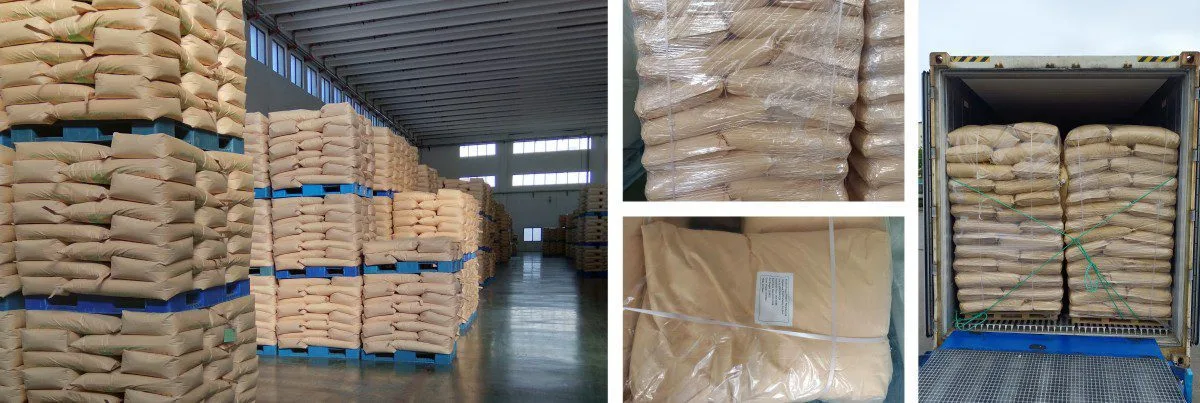
| 20 kg | Kraft paper bag + PE liner | Standard |
| 25 kg | Kraft paper bag + PE liner | Standard |
| Custom | Fiber drum with inner liner / Bulk bag | Commercial |
Custom packaging (private label, branded bags, specific sizes) available for commercial orders ≥500 kg.
Storage Conditions
- Storage temperature: 15–25°C (cool, dry place)
- Relative humidity: ≤60% RH; protect from humidity above 65%
- Avoid: Direct sunlight, moisture, strong odors, high ambient temperatures
- Shelf life: 24 months from manufacturing date when stored as directed