Table of Contents
What is Organic Resistant Dextrin?
Organic Resistant Dextrin is supplied in two specifications — powder and syrup — both derived from 100% organic non-GMO corn or tapioca starch through controlled enzymatic hydrolysis. The enzymatic process is the defining difference from conventional maltodextrin: rather than being fully hydrolyzed into digestible sugars, the hydrolysis is halted at a controlled intermediate point that produces resistant oligosaccharides — chains of glucose that human digestive enzymes cannot break down. This is what makes resistant dextrin “resistant” and converts it from a carbohydrate into a functional dietary fiber.
The practical consequence of this mechanism is significant for product developers. Resistant dextrin reaches the colon largely intact, where gut microbiota ferment it into short-chain fatty acids — butyrate, acetate, and propionate — that support colon health, immune function, and systemic inflammation reduction. Unlike inulin and other fermentable fibers, resistant dextrin is remarkably well-tolerated: consumers can typically consume up to 30-45g per day without the flatulence or abdominal discomfort commonly associated with inulin at much lower doses. This superior digestive tolerance is the single most important functional differentiator of resistant dextrin in the fiber supplement category.
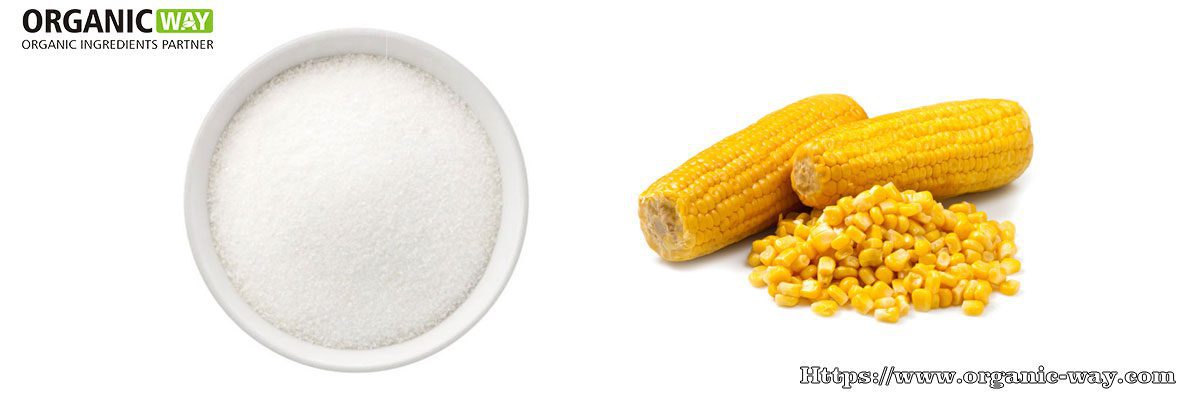
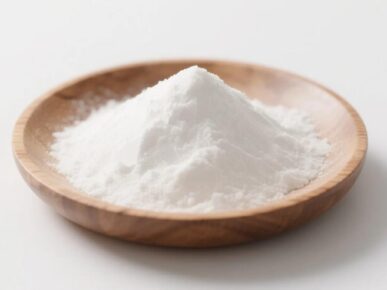
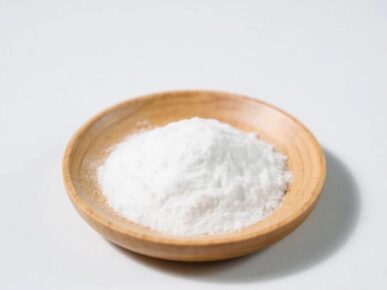
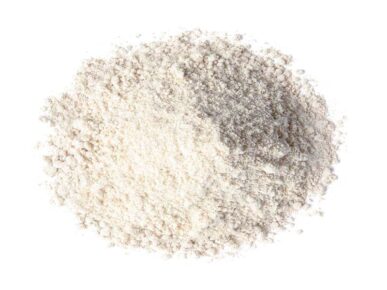
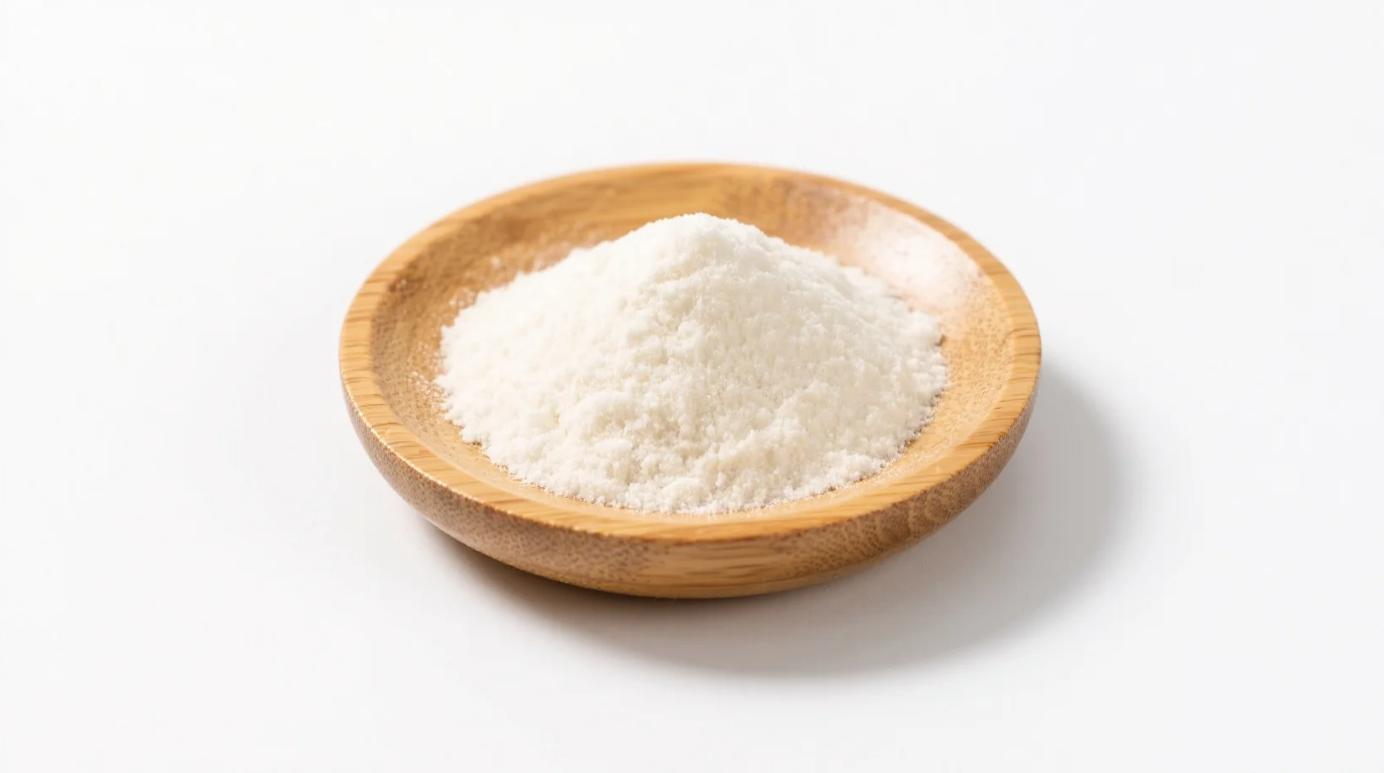
Organic Resistant Dextrin Powder is a fine, white, free-flowing powder with >=85-90% dietary fiber content and approximately 10% the sweetness of sucrose — nearly neutral in flavor, making it the preferred specification for applications where flavor interference is unacceptable: protein powders, dietary supplements capsules, bakery mixes, and fiber-fortified food formulations where ingredient taste must not compete with the base product. It dissolves instantly in both hot and cold water without clumping, adds no viscosity to liquid formulations, and maintains a clean, neutral finish with no aftertaste. The low hygroscopicity of the powder also makes it an excellent carrier for probiotics and other moisture-sensitive functional ingredients.
Organic Resistant Dextrin Syrup is a transparent, colorless, viscous liquid with >=70-75% dietary fiber on a dry basis, approximately 70-75 degrees Brix, and ~15% the sweetness of sucrose. It is the specification of choice for applications where liquid syrup is the existing matrix: beverage syrups, confectionery formulations, dairy and plant-based dairy alternatives, and RTD beverages where a 1:1 substitution for conventional syrup eliminates the need for powder dissolution equipment. It provides 100% transparency in clear beverages — no haze, no sediment, no visual interference. The slightly higher sweetness relative to powder also means it can contribute meaningful flavor sweetness in sugar-reduction formulations without adding the calorie or “added sugar” label impact of conventional syrups.
Both specifications share critical functional characteristics that make resistant dextrin uniquely versatile across processing conditions. The acid stability — demonstrated down to pH 2.5 — means it remains intact in acidic environments like carbonated beverages, fruit juices, and fermented dairy products where other fibers degrade into simple sugars, losing fiber content and adding calories. It is also stable at temperatures up to 160 degrees C, meaning it can be incorporated into formulations before UHT processing, high-temperature baking, or extrusion without degradation into monosaccharides and without losing fiber count. Neither specification contributes significantly to glycemic response — both carry a low Glycemic Index designation — and because resistant dextrin is classified as a non-digestible fiber, it is typically subtracted from Total Carbohydrates when calculating Net Carbs, making it a clean-label fiber source for ketogenic and sugar-reduction product claims.
Applications span five core categories: (1) Beverages and RTD — where the powder adds dietary fiber without viscosity or haze, and the syrup provides transparent fiber fortification in clear drinks; (2) Bakery and snacks — where both specs improve moisture retention, extend shelf life, and enable “high fiber” nutrition claims; (3) Confectionery — particularly sugar-free and reduced-sugar gummies and chocolate where resistant dextrin functions as both a fiber source and a bulk filler that replicates sugar’s structural volume; (4) Dietary supplements — where the powder’s low hygroscopicity and near-neutral flavor make it an ideal clean-label carrier for probiotics, vitamins, and botanical extracts; (5) Dairy and plant-based dairy alternatives — where syrup adds smooth, rich mouthfeel that mimics the fullness of full-fat dairy in plant-based milks and yogurt alternatives.
Certifications: USDA/NOP Organic · EU Organic · Non-GMO Project Verified · Vegan · Gluten-Free · Keto-Friendly
Physical & Chemical Specifications
Product Specifications
| Parameter | Resistant Dextrin Powder | Resistant Dextrin Syrup |
|---|---|---|
| Source | 100% Organic Non-GMO Corn or Tapioca Starch | 100% Organic Non-GMO Corn or Tapioca Starch |
| Processing | Controlled enzymatic hydrolysis (process halted at resistant oligosaccharide stage) | Controlled enzymatic hydrolysis (process halted at resistant oligosaccharide stage) |
| Physical Form | Fine, white, free-flowing powder | Transparent, colorless, viscous liquid |
| Dietary Fiber | >= 85-90% | >= 70-75% (dry basis) |
| Solids (Brix) | ~95% | 70-75% |
| Sweetness | ~10% of sucrose (nearly neutral) | ~15% of sucrose (slightly sweet) |
| Solubility | Excellent — dissolves instantly in hot and cold water | Instantly miscible in liquid systems |
| Viscosity | None — non-thickening | Moderate viscosity ( syrup consistency) |
| Clarity | N/A (powder) | 100% transparent in solution |
| pH Stability | Stable down to pH 2.5 | Stable down to pH 2.5 |
| Heat Stability | Stable up to 160 degrees C | Stable up to 160 degrees C |
| Caloric Value | ~1.5-2.0 kcal/g | ~1.5-2.0 kcal/g |
| Glycemic Index | Low (minimal impact on blood glucose) | Low (minimal impact on blood glucose) |
| Digestive Tolerance | High — no flatulence at doses up to 30-45g/day | High — no flatulence at doses up to 30-45g/day |
| Net Carb Treatment | Subtracted from total carbs for Net Carb calculation | Subtracted from total carbs for Net Carb calculation |
| Moisture Content (powder) | <= 5.0% | N/A (liquid) |
| Shelf Life | 24 months | 18 months |
Fiber Comparison: Resistant Dextrin vs. Common Fibers
| Parameter | Resistant Dextrin | Inulin | FOS | Psyllium | Chicory Root |
|---|---|---|---|---|---|
| Fiber Purity | 70-90% | 90-95% | 95-99% | 70-85% (husks) | 60-90% |
| Solubility | Excellent (cold water) | Good (hot water) | Excellent | Poor (gel-forming) | Good |
| Viscosity | None | Low | None | High (gel) | Low |
| Digestive Tolerance | High (30-45g/day) | Low (5-10g/day) | Low (5-10g/day) | Moderate | Moderate |
| Acid Stability | Excellent (pH 2.5+) | Moderate | Moderate | N/A (neutral) | Moderate |
| Heat Stability | Excellent (160C) | Moderate | Moderate | Good | Moderate |
| Net Carb (Keto) | Yes (subtractable) | Yes (subtractable) | Yes (subtractable) | Yes (subtractable) | Yes (subtractable) |
| Prebiotic Effect | Strong | Strong | Moderate | Minimal | Strong |
| Best For | Beverages, clear drinks, heat-processed | Dry mixes, RTD (heat ok) | Powder blends | Thickening, gut motility | Extracts, beverages |
Dosage Reference
| Application | Suggested Usage Level |
|---|---|
| RTD Beverages (Fiber Fortification) | 3-8% (powder dissolves instantly; syrup — use liquid math) |
| Protein Powders / Meal Replacements | 5-15% |
| Bakery (High Fiber Claims) | 3-10% |
| Confectionery (Sugar-Free Gummies) | 10-25% |
| Dietary Supplement Capsules | 20-50% (powder carrier) |
| Plant-Based Dairy Alternatives | 2-5% |
| Carbonated Beverages | 2-5% (acid-stable) |
Microbiological & Contaminant Standards
| Test Item | Specification |
|---|---|
| Total Plate Count (TPC) | <= 10,000 cfu/g |
| Yeast & Mould | <= 100 cfu/g |
| E. coli | Negative |
| Salmonella | Negative |
| Heavy Metals (Lead) | <= 0.1 mg/kg |
| Heavy Metals (Arsenic) | <= 0.1 mg/kg |
| Heavy Metals (Cadmium) | <= 0.1 mg/kg |
| Heavy Metals (Mercury) | <= 0.05 mg/kg |
| Pesticide Residues | Below EU/USDA organic limits |
| Resistant Dextrin Identity | Confirmed (resistant oligosaccharide profile by enzymatic method) |
| Dry Matter (syrup) | 70-75% Brix (as stated) |
Certifications
| Certification | Status |
|---|---|
| USDA / NOP Organic | Available |
| EU Organic (834/2007) | Available |
| Non-GMO Project Verified | Available |
| Vegan | Available |
| Gluten-Free | Available |
| Keto-Friendly | Available |
| Kosher | Available on request |
| Halal | Available on request |
| ISO 22000 | Available |
Applications & Formulation Guidelines
Application Matrix
| Category | Applications | Recommended Spec | Formulation Notes |
|---|---|---|---|
| Beverages & RTD | Fiber-fortified waters, functional drinks, sports beverages | Powder (dissolves instantly, no haze) | Add 3-8% for “good source of fiber” claim (3g per serving) |
| Protein Powders | Meal replacement shakes, pre- and post-workout formulas | Powder | Near-neutral flavor; low hygroscopicity protects moisture-sensitive actives |
| Bakery & Snacks | High-fiber bread, crackers, snack bars | Both | Both specs improve moisture retention and extend shelf life |
| Confectionery | Sugar-free gummies, reduced-sugar chocolate | Both | Powder: up to 25% in gummy base; Syrup: 1:1 syrup substitution |
| Dietary Supplements | Prebiotic fiber capsules, probiotic carriers | Powder | Low hygroscopicity ideal for moisture-sensitive probiotic blends |
| Dairy & Plant-Based Dairy | Plant milks, yogurt alternatives | Syrup | Adds smooth, rich mouthfeel mimicking full-fat dairy |
| Carbonated Beverages | Fiber-spiked sodas, prebiotic sparkling drinks | Powder | Acid-stable (pH 2.5+); does not degrade into simple sugars |
| Heat-Processed Foods | UHT beverages, baked goods, extruded snacks | Both | Stable to 160 degrees C; no fiber degradation or browning |
Key Functional Benefits
| Benefit | Mechanism |
|---|---|
| Prebiotic Gut Health | Resists digestion in the small intestine; reaches colon intact; fermented by gut microbiota into short-chain fatty acids (butyrate, acetate, propionate) that support colon health and immune function |
| Superior Digestive Tolerance | Unlike inulin (flatulence at 5-10g/day), resistant dextrin is tolerated up to 30-45g/day without discomfort — critical for compliance in daily fiber supplementation |
| Net Carb / Keto Positioning | Classified as non-digestible fiber; subtracted from total carbohydrates for Net Carb calculation; enables “added fiber / reduced net carbs” dual claims |
| Acid Stability (pH 2.5+) | Unlike fibers that degrade into glucose in acidic environments, resistant dextrin remains intact — fiber count preserved, no added calories, no sweetness generation |
| Heat Stability (160 degrees C) | Survives UHT processing, baking, and extrusion without degradation; fiber count maintained through high-temperature manufacturing |
| Zero Viscosity | Powder adds fiber without thickening — preserves beverage flow properties, enables clear drinks, no mouthfeel impact |
| Near-Neutral Flavor | Powder has ~10% sucrose sweetness — essentially flavorless in most formulations; does not compete with base product flavor |
| Low Caloric Value (~1.5-2.0 kcal/g) | Approximately 75-85% fewer calories than sucrose (4 kcal/g) — meaningful calorie reduction in sugar-substitution applications |
Synergy Tips
- With Probiotics (Lactobacillus, Bifidobacterium strains): Powder’s low hygroscopicity makes it an ideal co-ingredient in probiotic supplements — it delivers prebiotic fiber to feed the probiotic without absorbing moisture and reducing viability during storage.
- With Protein Isolates (Whey, Pea, Soy): Adding 5-10% resistant dextrin powder to protein powders dilutes the inherent sweetness and off-notes of protein isolates while contributing fiber and reducing calories proportionally.
- In Sugar Reduction Formulations: Syrup’s 1:1 substitution for conventional syrup (corn syrup, high-fructose corn syrup) enables significant added-sugar reduction and fiber fortification simultaneously — a dual clean-label claim that is difficult to achieve with other fibers.
- With Plant-Based Dairy Alternatives: Resistant dextrin syrup adds the smooth, rich mouthfeel associated with full-fat dairy to plant-based milk and yogurt alternatives, which often lack the sensory fullness of their dairy counterparts.
FAQ
Q: Is resistant dextrin better for the gut than inulin?
A: Both are prebiotics — they reach the colon and are fermented by gut microbiota into short-chain fatty acids that support gut and systemic health. However, resistant dextrin has a significantly higher digestive tolerance: consumers can typically tolerate up to 30-45g per day without flatulence or abdominal discomfort, whereas inulin commonly causes these symptoms at doses of only 5-10g per day. For daily fiber supplementation products where consumer compliance is a critical success factor, this tolerance difference is a meaningful functional advantage.
Q: Does it affect the net carb count for keto products?
A: Yes — and this is one of the primary reasons resistant dextrin is favored in ketogenic and low-carb formulations. Because it is classified as a non-digestible fiber, it is typically subtracted from Total Carbohydrates when calculating Net Carbs. For a product containing 10g of resistant dextrin per serving, all 10g can be deducted from the total carbohydrate count, contributing zero Net Carbs while adding the fiber equivalent of 10g. This enables dual-positioning as both “added fiber” and “reduced net carbs” — a compelling claim combination for the keto consumer segment.
Q: How does it behave in high-acid environments such as carbonated beverages?
A: Resistant dextrin is exceptionally stable in acidic conditions — demonstrated down to pH 2.5. This is a critical functional advantage over other fibers, which can hydrolyze into simple sugars (glucose and fructose) in acidic environments, losing fiber content, adding calories, and potentially generating unwanted sweetness. In a carbonated beverage at pH 2.5-3.5, resistant dextrin remains structurally intact as fiber — the fiber count on the label accurately reflects what the consumer receives.
Q: Can it be labeled as “Soluble Vegetable Fiber”?
A: Yes — subject to local regulatory requirements. In the United States under FDA labeling rules, resistant dextrin derived from corn or tapioca can generally be labeled as “Organic Soluble Corn Fiber,” “Organic Tapioca Fiber,” or “Organic Resistant Dextrin.” In the EU under EFSA labeling standards, similar designations apply. This flexibility allows for a clean, consumer-recognizable ingredient name rather than the more technical “digestion-resistant maltodextrin” — an important consideration for clean-label brand positioning.
Q: What is the difference between the powder and syrup specifications, and how do I choose?
A: The choice depends primarily on your existing production process and the sensory requirements of your final product. If you are producing powder-based products (protein powders, supplement capsules, dry bakery mixes), the powder is the logical choice — it dissolves instantly, adds no viscosity, and has near-neutral flavor. If you are producing liquid or syrup-based products (beverage syrups, RTD beverages, confectionery bases, dairy alternatives), the syrup is the drop-in replacement — it provides 1:1 substitution for conventional syrups and contributes 100% transparency in clear liquid applications. The syrup carries slightly higher fiber density on a dry basis (70-75% vs 85-90% for powder) but the practical difference in most formulations is minimal.
Q: How does it perform in baking and high-temperature processing?
A: Resistant dextrin is stable at temperatures up to 160 degrees C, making it suitable for incorporation into formulations before baking, extrusion, or UHT processing. Unlike some fibers that degrade, caramelize, or lose water-holding capacity at high temperatures, resistant dextrin maintains its fiber integrity through these processes — the fiber count on the finished product label accurately reflects what the consumer receives. In bakery applications, it also improves moisture retention, which extends shelf life by reducing staling and crumb firming.
Q: Why is digestive tolerance important for a prebiotic fiber?
A: Digestive tolerance is the primary compliance driver in daily fiber supplementation. If a fiber supplement causes bloating, gas, or abdominal discomfort at the dose required to deliver meaningful fiber, consumers will reduce their intake or discontinue use entirely — defeating the purpose of fortification. Resistant dextrin’s tolerance of 30-45g per day without discomfort means consumers can take a meaningful, effective fiber dose in a single serving without unpleasant side effects. This makes it uniquely suitable for therapeutic-dose fiber products and for formulations targeting sensitive populations such as elderly consumers or those with functional gut disorders.
Q: What are the MOQ and shipping options?
A: Sample: 1 kg free of charge (FedEx / UPS / EMS). Standard batch: 25 kg per carton (powder); syrup packaging available on request. Lead time: 10-20 business days. Shipping from Qingdao or Tianjin ports, China. Payment terms: D/A, D/P, L/C, and T/T accepted. Custom packaging and private label: available on request.
Packaging & Storage
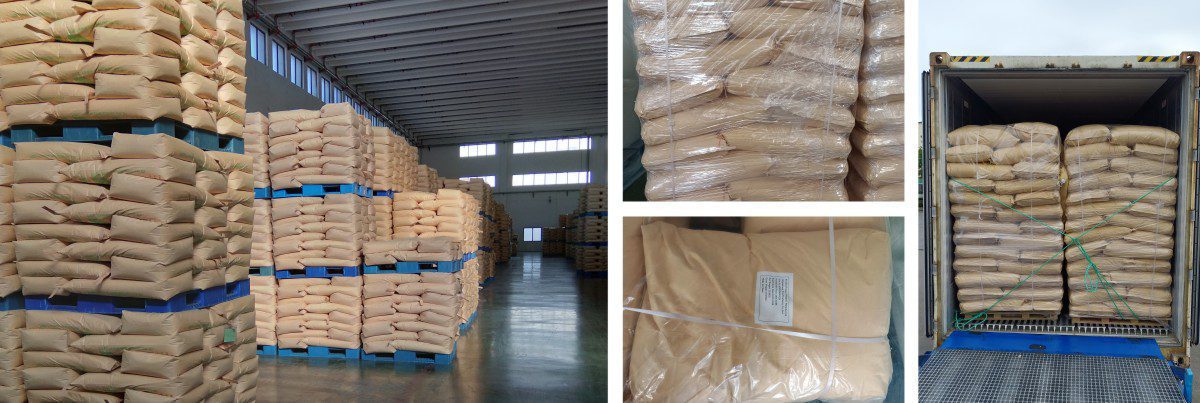
Packaging Specifications
| Package Type | Net Weight | Material |
|---|---|---|
| Kraft Bag with PE Liner | 25 kg | Multi-layer kraft paper with food-grade PE liner |
| Aluminum Foil Bag | 1 kg / 5 kg | Multi-layer aluminum foil barrier |
| Syrup Drum | Available on request | Food-grade HDPE or steel drum |
| Custom Packaging | Available on request | Private label and retail sizes |
Physical packaging data (standard 25 kg kraft bag): Weight 25 kg; Dimensions approximately 77 x 44 x 20 cm
Storage Conditions
| Parameter | Requirement |
|---|---|
| Temperature | Below 25 degrees C (cool, dry ambient) |
| Humidity | Below 60% relative humidity |
| Light | Standard packaging adequate; avoid prolonged direct sunlight |
| Powder Hygroscopicity | Low — store sealed; reseal after each use |
| Syrup Storage | Below 25 degrees C; avoid freezing; reseal tightly after use |
| Shelf Life — Powder | 24 months (from production date, sealed) |
| Shelf Life — Syrup | 18 months (from production date, sealed) |
Related Articles
Why Organic Resistant Dextrin Is Gaining Momentum in Modern Food Formulation
As global demand for clean label, low-sugar, and fiber-enriched products continues to…
Formulating Low-Sugar Functional Foods with Organic Dextrose Powder
The global shift toward low-sugar, health-oriented foods has reshaped the food and…

Join ORGANICWAY at SupplySide Global 2025
Date: October 29–30, 2025Venue: Mandalay Bay Convention CenterAddress: 3950 Las Vegas Boulevard…
Join ORGANICWAY at Fine Food Australia 2025
Date: 8 – 11 September 2025Venue: ICC Sydney, Darling HarbourAddress: 14 Darling…