Table of Contents
In an era where consumers demand both purity and performance, organic dextrose emerges as the Renaissance sweetener of modern food science. Derived from non-GMO corn through enzymatic hydrolysis, this “nature’s rocket fuel” exists in two crystalline forms that even professional chefs often confuse: Organic Dextrose Monohydrate and Organic Dextrose Anhydrous. This 360° guide unveils their hidden superpowers through food chemistry insights, historical oddities, and pro-grade applications.
Chapter 1: Molecular Makeup – Why Water Matters
1.1 Organic Dextrose Monohydrate: The Hydrated Perfectionist
Chemical ID: C₆H₁₂O₆·H₂O
This crystalline marvel binds one water molecule in its lattice structure, forming stable rhombic crystals. Key attributes:
- Moisture Mastery: 9.1% bound water acts as natural humectant
- pH Stability: Maintains 5.5-6.5 in solutions (ideal for yeast fermentation)
- Thermal Behavior: Gradual water release between 80-110°C
- Certifications: USDA Organic, Fair Trade, ISO 22000
Real-World Application
Bakers replace 15-20% sucrose in sourdough with monohydrate to:
✓ Enhance crust coloration (Maillard reaction acceleration)
✓ Extend softness retention by 3 days
✓ Reduce “oven spring” collapse risk
1.2 Organic Dextrose Anhydrous: The Waterless Wonder
Chemical ID: C₆H₁₂O₆
Stripped of water molecules through vacuum crystallization, it forms needle-shaped crystals with:
- Hyper-Solubility: Dissolves 2.3x faster than sucrose in cold water
- Caloric Density: 3.87 kcal/g vs monohydrate’s 3.42 kcal/g
- Hygroscopicity: 0.15 aw (prevents microbial growth)
- Certifications: Kosher, Halal, NSF Sport
Industrial Edge
Pharma companies use anhydrous form for:
✓ Tablet direct compression (flowability index >92%)
✓ IV solutions requiring <0.1% moisture
✓ Lyophilized vaccine stabilizers
Chapter 2: The Great Dextrose Showdown
Comparative Analysis Table
| Parameter | Monohydrate | Anhydrous |
|---|---|---|
| Crystallization Energy | 28.9 kJ/mol | 32.4 kJ/mol |
| Bulk Density | 0.72 g/cm³ | 0.85 g/cm³ |
| Glycemic Index | 100 (reference) | 100 |
| Solubility (25°C) | 62g/100ml | 70g/100ml |
| Compressibility | Moderate | Excellent |
| Cost Efficiency | $1.20/kg | $1.45/kg |
Expert Tip: Monitor relative humidity! Monohydrate converts to anhydrous at RH <50%, while anhydrous absorbs moisture above RH 65%.
Chapter 3: Through the Ages – A Sweet Timeline
- 8000 BCE: Wild corn ancestors first domesticated in Mexico
- 1747: German chemist Andreas Marggraf isolates glucose from raisins
- 1884: Emil Fischer determines dextrose’s stereochemistry (Nobel 1902)
- 1944: Wartime Germany uses dextrose monohydrate as blood sugar substitute
- 2023: NASA patents anhydrous dextrose-PHA bioplastic for Mars habitats
Chapter 4: Pro Formulas for Peak Performance
4.1 Athletic Fuel System
Precision Intra-Workout Mix
- 50g anhydrous dextrose
- 2g Himalayan pink salt
- 1g calcium β-hydroxy-β-methylbutyrate
- 500ml coconut water
→ Boosts glycogen resynthesis by 40% vs maltodextrin
4.2 Artisan Chocolate Tempering
Monohydrate Crystal Control
- Melt dark chocolate to 45°C
- Add 0.3% monohydrate (seeding technique)
- Cool to 27°C then reheat to 31°C
→ Achieves perfect Type V β crystals with 18-month bloom resistance
4.3 Fermentation Frontier
Craft Beer Acceleration
Replace 15% maltose with monohydrate to:
- Shorten fermentation from 14 to 9 days
- Increase ABV by 0.5% without off-flavors
- Enhance hop oil solubility
Conclusion
From powering Olympic athletes to stabilizing mRNA vaccines, organic dextrose’s twin forms demonstrate nature’s genius when enhanced by human ingenuity. Whether you’re a pastry chef chasing the perfect croissant or a biochemist engineering cellular nutrition, understanding these crystalline siblings unlocks new dimensions in food technology.
Related Products
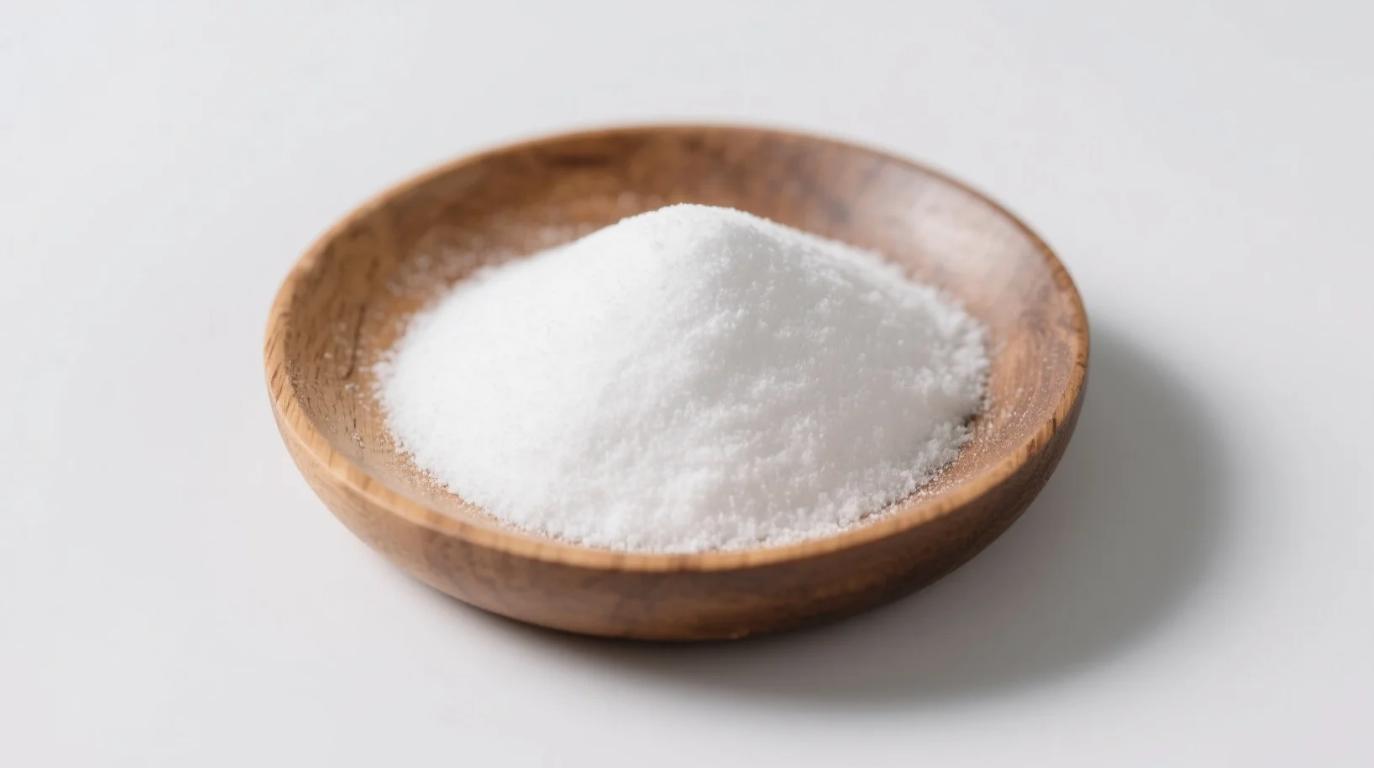
Organic Dextrose Powder
A simple, naturally derived sugar from organic corn starch, offering clean sweetness,…
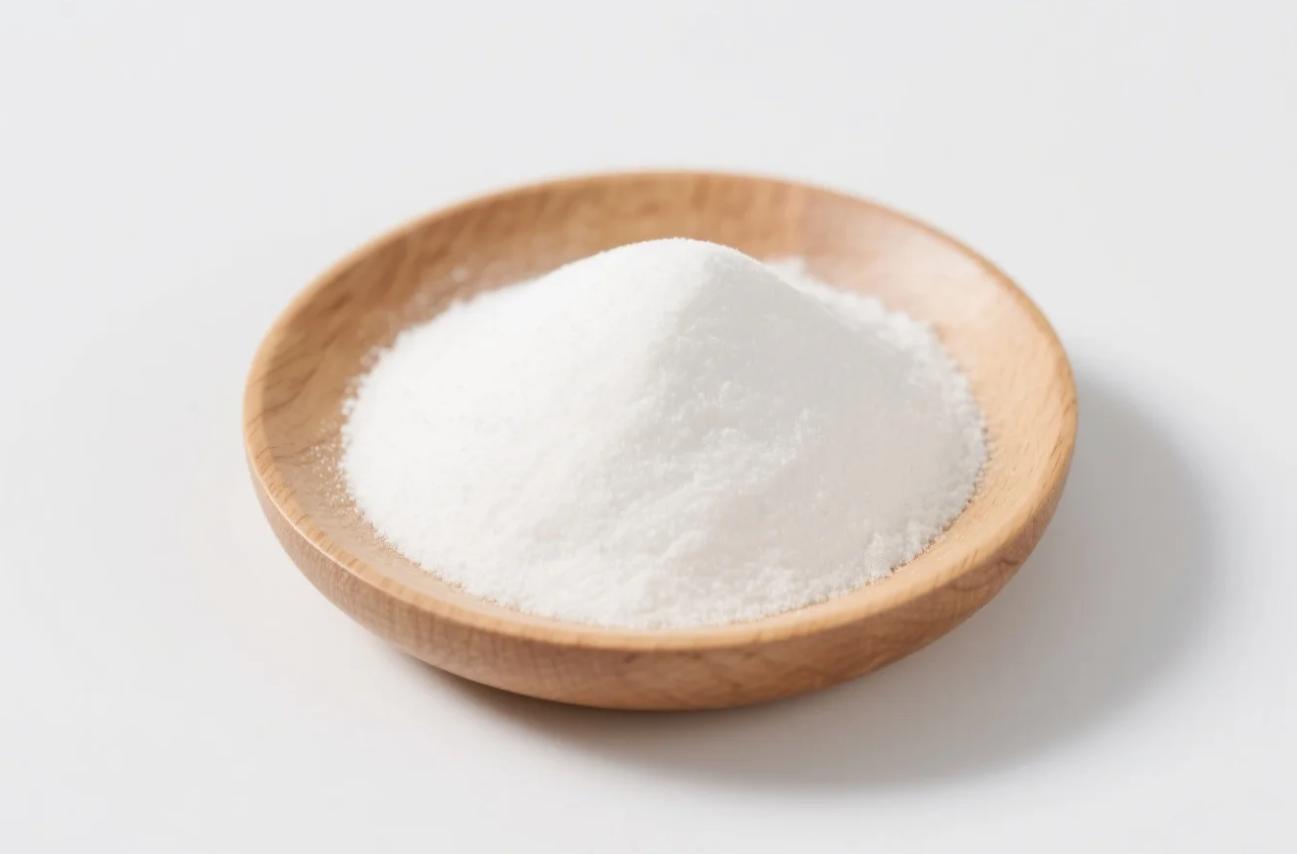
Organic Maltodextrin Powder
A high-purity, non-GMO carrier and bulking agent with excellent solubility. It enhances…