Table of Contents
Reducing sugar has become a strategic priority for food and beverage manufacturers worldwide. Regulatory pressure, consumer health awareness, and evolving dietary trends are driving brands to reformulate products with lower sugar content—without sacrificing taste, texture, or overall quality. However, sugar reduction presents complex formulation challenges, particularly in clean label and organic product lines. Organic maltodextrin has emerged as a practical solution to help manufacturers navigate this transition effectively.
Derived from certified organic starch sources, organic maltodextrin offers functional benefits that go far beyond sweetness. When used correctly, it supports structure, mouthfeel, and stability in reduced-sugar formulations while aligning with organic certification and clean label expectations.
The Functional Role of Sugar in Food Formulation
Sugar does more than provide sweetness. It contributes bulk, viscosity, browning, moisture retention, and overall sensory balance. Removing or reducing sugar often leads to thin textures, poor mouthfeel, and inconsistent product performance. In many applications, alternative sweeteners alone cannot fully replace these functional roles.
Organic maltodextrin helps address this gap by restoring bulk and structure without adding significant sweetness. This makes it particularly valuable in products where sugar reduction must be achieved without compromising consumer acceptance.
How Organic Maltodextrin Supports Reduced-Sugar Systems
Organic maltodextrin functions as a bulking agent and texture modifier, helping to rebuild the physical structure lost during sugar reduction. Its low sweetness profile allows formulators to fine-tune flavor systems using high-intensity sweeteners or natural alternatives, while maintaining a balanced mouthfeel.
In addition, organic maltodextrin improves process stability by enhancing solubility, reducing crystallization, and supporting uniform ingredient distribution. These benefits are critical in applications such as bakery products, confectionery, powdered beverages, and nutrition products.
How To Using Organic Maltodextrin in Reduced-Sugar Formulations
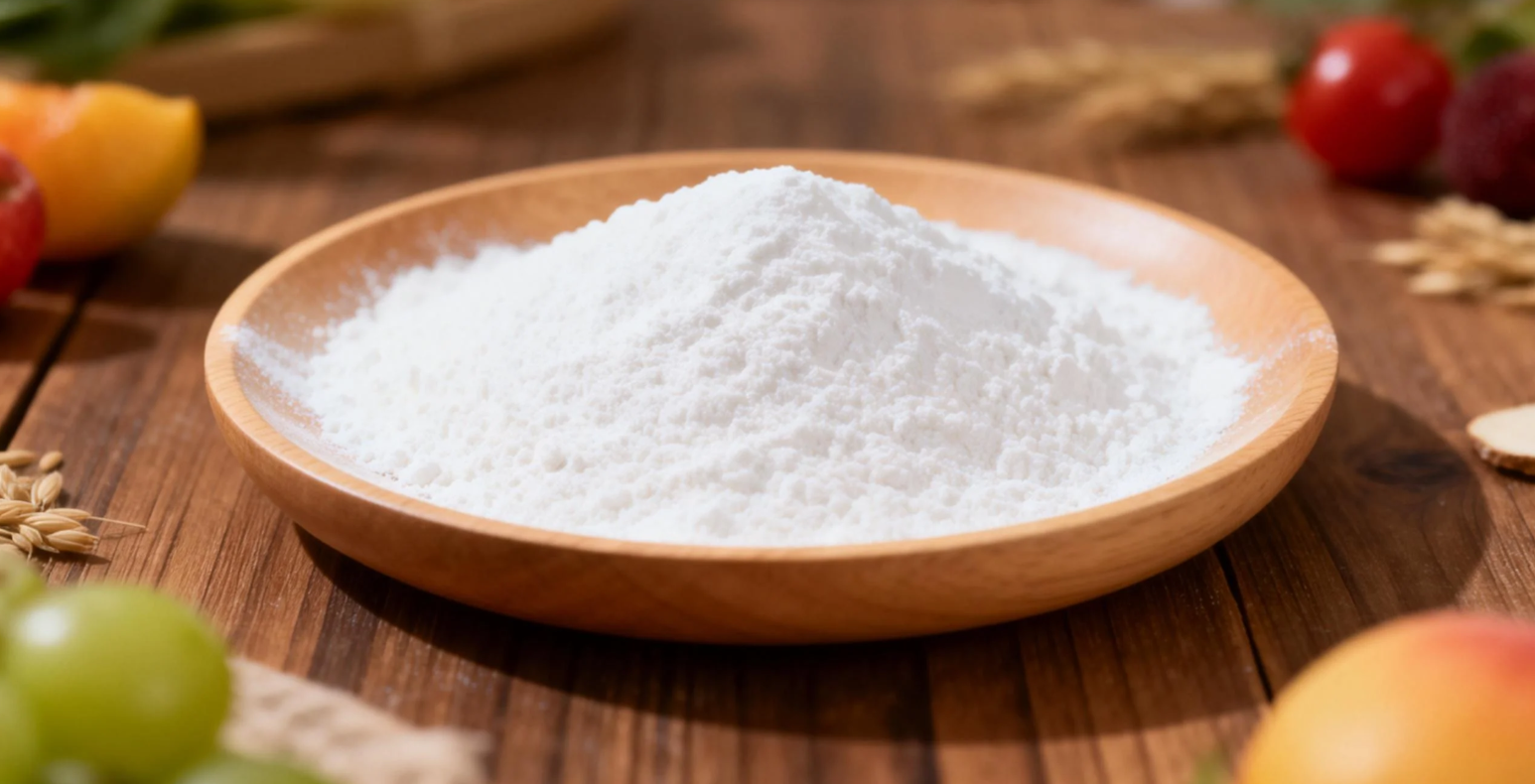
Step 1: Identify the Functional Gap
Evaluate which roles sugar played in your original formulation—bulk, texture, moisture, or processing behavior. This assessment helps determine how organic maltodextrin should be positioned within the reformulated recipe.
Step 2: Select the Right DE Range
Lower DE organic maltodextrins provide more structure and less sweetness, making them ideal for sugar-reduced systems. Higher DE grades may be suitable when faster solubility or slight sweetness contribution is needed.
Step 3: Balance Sweetness Separately
Since organic maltodextrin contributes minimal sweetness, pair it with natural sweeteners or sugar alternatives to achieve the desired flavor profile without compromising texture.
Step 4: Optimize Dosage Through Trials
Start with moderate inclusion levels and adjust based on sensory evaluation and processing performance. Pilot testing is essential to ensure stability and consumer acceptance.
Step 5: Validate Label and Certification Compliance
Confirm that your organic maltodextrin supplier provides valid organic certificates and full documentation to support clean label and regulatory requirements.
Applications Where Organic Maltodextrin Excels
Organic maltodextrin is widely used in reduced-sugar bakery items, confectionery, beverage powders, dairy alternatives, and nutritional products. In each case, it helps maintain product integrity while supporting lower sugar content and clean label claims.
For B2B manufacturers serving multiple brands or markets, this versatility reduces formulation complexity and supports faster product development cycles.
FAQ: Organic Maltodextrin in Sugar-Reduced Products
Is organic maltodextrin considered a sugar?
No. While it is a carbohydrate, organic maltodextrin is not classified as a simple sugar and has significantly lower sweetness than sucrose.
Can organic maltodextrin fully replace sugar?
It cannot fully replace sugar’s sweetness, but it effectively replaces sugar’s bulk and texture, making it a key component in sugar-reduced formulations.
Does organic maltodextrin affect glycemic response?
Glycemic response depends on formulation and usage level. Manufacturers should evaluate nutritional targets and labeling requirements for specific products.
Is organic maltodextrin suitable for organic certification?
Yes, when sourced from certified organic raw materials and produced under compliant processes, it can be used in organic-certified products.
What should buyers consider when sourcing organic maltodextrin?
Certification validity, DE range options, batch consistency, and supply reliability are critical factors for B2B buyers.
A Strategic Ingredient for Sugar Reduction
As reduced-sugar formulations become the industry standard rather than the exception, ingredient strategies must evolve accordingly. Organic maltodextrin provides manufacturers with a reliable, clean label-compatible tool to manage sugar reduction without sacrificing texture, stability, or processing efficiency.
For brands committed to organic and health-focused product lines, organic maltodextrin represents a practical and scalable solution that supports both formulation success and long-term market growth.
Related Products
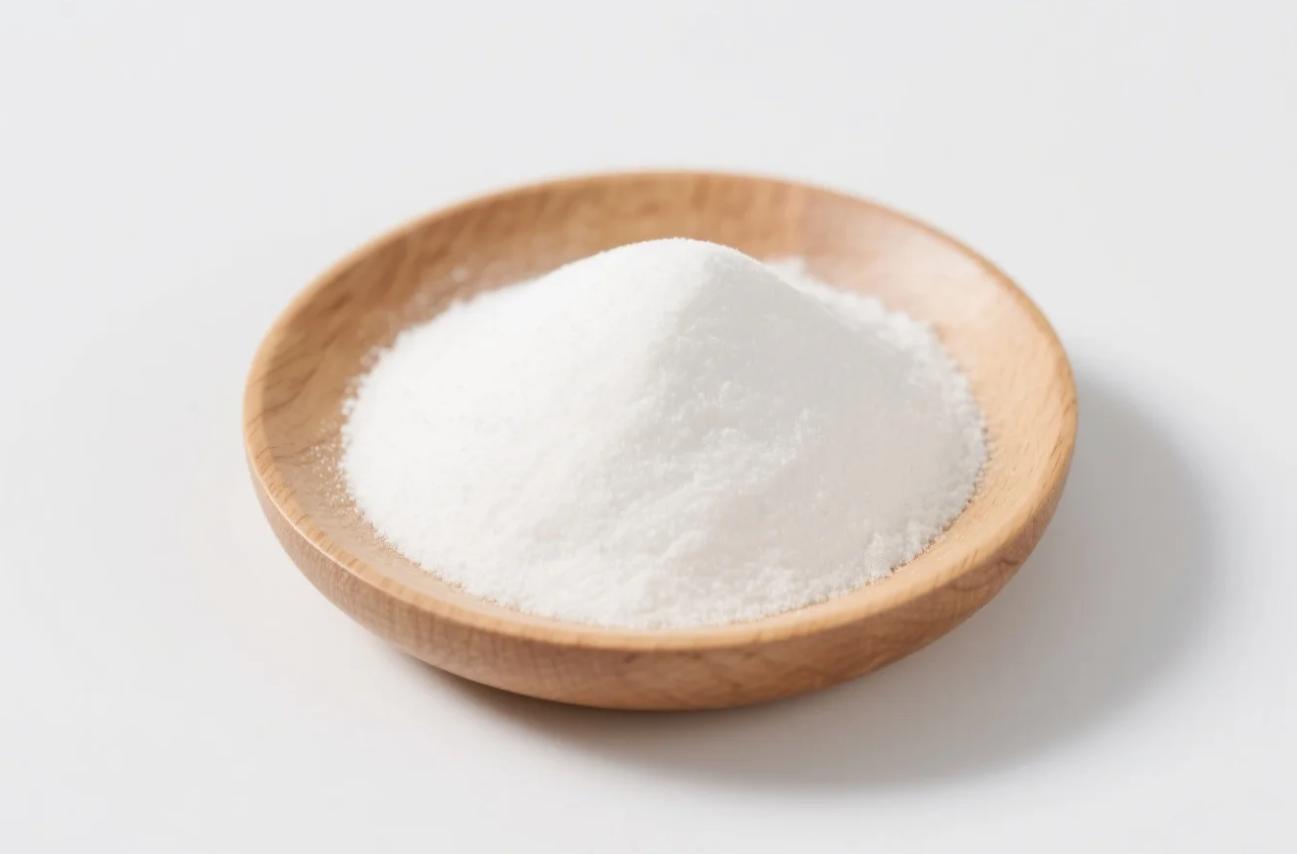
Organic Maltodextrin Powder
A high-purity, non-GMO carrier and bulking agent with excellent solubility. It enhances…