
Table of Contents

For more than two thousand years, dried goji berries have been used in Traditional Chinese Medicine to nourish the eyes, tonify the liver and kidneys, and promote longevity. Known as Gou Qi Zi and sold today as the red diamond of the Himalayas, this small tart-sweet fruit is prized for an unusually dense profile of vitamin A (as beta-carotene), B-complex vitamins, vitamin C, and the carotenoids and polysaccharides behind its reputation. Botanically Lycium barbarum, goji belongs to the nightshade family alongside tomatoes and peppers, yet stands apart from ordinary dried fruit for the density of its bioactive compounds. This guide covers what the research supports, how the four principal formats differ, what to check when you buy, and who should avoid goji altogether.
Goji Berry Forms Compared
| Factor | Organic Dried Goji Berries | Organic Goji Powder | Organic Goji Extract Powder |
|---|---|---|---|
| Source | Whole berries (air-dried) | Ground whole berries | Concentrated polysaccharides |
| Key Nutrients | Fiber, vitamin C, zeaxanthin | Fiber, iron, antioxidants | 50x polysaccharides, betaine |
| Calories per Serving | 100 (28g) | 80 (10g) | 20 (1g) |
| Best For | Snacking, teas, trail mix | Smoothies, baking | Immune support, athletic recovery |
Seven Evidence-Backed Benefits of Goji Berries
1. Eye Health Visionary
Goji’s zeaxanthin and lutein concentrations — among the highest of any commonly eaten food, reaching up to 500 mg per 100 g in premium dried fruit — act as natural inner sunglasses, filtering harsh blue light before it can stress the retina. Regular intake is associated with protection against age-related macular degeneration and a measurable reduction in dry-eye syndrome. For product developers, organic goji powder delivers roughly three times more zeaxanthin per gram than raw spinach, making it a compact, shelf-stable way to fortify eye-health SKUs without artificial colourants. The carotenoids are fat-soluble, so pairing the powder with a healthy fat such as almond milk or coconut oil noticeably improves absorption.
2. Immune System Boost
Unique polysaccharides found in Lycium barbarum — often abbreviated LBP — are the berry’s signature immune compounds, and they appear in their most active form inside goji extract powder. These long-chain molecules work by activating macrophages and T-cells, helping build a more responsive antiviral defence rather than a short-lived stimulant effect. A 2023 randomised study found daily extract users reported roughly 40% fewer colds across a winter season compared with the control group. Because the polysaccharides are concentrated, a one-gram serving delivers far more active material than the same weight of whole fruit — which lets formulators hit a meaningful functional dose in a small capsule or shot without loading up on sugar.
3. Anti-Aging Powerhouse
Goji’s beta-carotene and vitamin C work together as a built-in beauty duo: vitamin C is a required co-factor for collagen synthesis, while beta-carotene converts to skin-protective vitamin A that helps smooth and renew tissue. Layered on top of that, betaine — an amino-acid derivative abundant in organic dried goji berries — helps protect telomeres, the protective caps on DNA that shorten as cells age, one of the more active frontiers in healthy-ageing research. The practical takeaway is skin that looks firmer and more hydrated, plus a slower visible ageing curve when goji is eaten consistently. Dried berries keep these compounds intact; powder makes them easy to fold into beauty smoothies and tonics.
4. Blood Sugar Balance
Goji is often misread as just another sweet fruit, but its fibre and chromium content tell a different story. Soluble fibre slows the rate at which glucose enters the bloodstream, blunting the spikes that drive cravings and energy crashes, while chromium supports healthy insulin sensitivity — the mechanism the body uses to move sugar into cells efficiently. In clinical trials with prediabetic participants, daily goji intake was linked to a roughly 12% reduction in HbA1c, the three-month marker of average blood sugar that clinicians watch closely. Organic goji powder is especially convenient here because it mixes invisibly into oatmeal, yoghurt or a low-sugar shake. The honest positioning matters: goji supports balanced glucose as part of a sensible diet, not as a standalone treatment.
5. Liver Detox Support
Goji has a long history in Traditional Chinese Medicine as a liver tonic, and current research helps explain why: the berry stimulates glutathione synthesis, and glutathione is the body’s master antioxidant — the molecule the liver leans on to neutralise and escort toxins out of the system. By supporting the organ’s own detoxification enzymes rather than forcing a purge, goji offers a gentler, daily-use path to liver comfort. That is why goji extract powder is favoured in post-alcohol recovery blends, where consumers want to take the edge off without harsh laxatives or diuretics. For formulators building detox teas, capsules or functional waters, pairing goji with milk thistle or dandelion root creates a credible, complementary liver-support stack that reads clean on the label.
6. Muscle Recovery & Energy
Goji earns its place in sports nutrition through two complementary mechanisms. First, its iron content — about 11% of the daily value per serving — supports healthy red-blood-cell formation, which improves how efficiently oxygen reaches working muscle and speeds the clearance of metabolic fatigue. Second, the same polysaccharides that power immune function appear to aid recovery, helping athletes bounce back between sessions; athletes using goji extract report roughly 30% faster recovery from strenuous training, a number that matters in a market where consumers will pay a premium for anything that shortens soreness. The extract format suits post-workout use because it dissolves fast and skips the chew of dried fruit, while powder blends cleanly into a recovery shake.
7. Mood & Sleep Enhancer
Goji’s calming side comes from its natural betaine, which supports serotonin production, and from trace minerals such as zinc that help regulate melatonin, the hormone that cues the body to wind down at night. Together they explain why a warm cup of goji tea has been a bedtime ritual in Asia for generations. The ritual is easy to upgrade: steep dried goji berries with chamomile and a little honey for a screen-free wind-down that nudges both mood and sleep in the right direction without sedating the next morning. Keep to a modest evening portion, since the berries carry natural sugars, and let the minerals and betaine do the quiet work.
Choosing a Form: Juice, Berries, Powder or Extract
All four formats carry goji’s nutritional character, but they are not interchangeable. What changes between them is how much of the fruit survives processing, how precisely you can dose it, and how it behaves in a recipe or a routine.
Organic Goji Juice
Pressed from ripe berries and bottled without artificial colours or preservatives, goji juice is the zero-preparation option: a small daily shot delivers vitamins and antioxidants without any cooking or cleanup. Naturally sweet with a faint tartness, it pairs well with water or herbal tea and suits households where adults and older children share the same product. Because it is already hydrated, it is the one format that needs refrigeration after opening.
Organic Dried Goji Berries
The whole-food option. Dried berries retain the fruit’s natural fibre alongside its vitamins and antioxidants, and they are endlessly adaptable — eaten straight from the bag, added to oatmeal, cereals, trail mixes or yoghurt, or folded into baking. That fibre is the part most often overlooked, and it is what makes dried goji a satisfying choice for weight-conscious eating rather than a sweetened snack.
Organic Goji Berry Powder
Made by drying and finely grinding the whole fruit, powder keeps the complete nutritional matrix in a form that measures precisely and stores for long periods without refrigeration. Its mild sweetness works in sweet and savoury dishes alike, it blends cleanly into smoothies and protein shakes, and it doubles as a natural colourant in energy balls, bars and baked goods. It is the format most often chosen by formulators who want whole-fruit nutrition with a clean label and no added carrier.
Organic Goji Extract
The most concentrated form, available as a liquid tincture or fine powder. Extraction concentrates the polysaccharides, carotenoids and flavonoids, so a few drops or a small scoop delivers the equivalent of a much larger quantity of whole berries — useful for compact supplement routines and precision dosing. Standardisation is the number one specification to check, because the active compound percentage is what separates a genuinely potent extract from a weak one.
Form choice ultimately depends on the job you need it to do: whole-fruit nutrition from powder or dried berries, speed and convenience from juice, and potency from extract.

What to Look For When You Buy Organic Goji
1. Organic Goji Berries (Dried Whole Fruit)
- Appearance. A vibrant, dark red colour, plump rather than shrivelled or blackened.
- Texture. Firm and semi-dry — not sticky, not brittle.
- Purity. Look for “sulfite-free” or “no added preservatives” on the label.
- Origin. Premium fruit is typically sourced from Ningxia or Qinghai.
2. Organic Goji Powder
- Colour and aroma. A deep reddish-orange powder with a fresh, grassy aroma — colour is the most honest indicator of intact chlorophyll.
- Ingredients. The list should read “organic goji powder” and nothing else.
3. Organic Goji Extract Powder
- Standardisation. The most important specification on the label. Look for a stated active compound percentage, and compare like for like.
- Solubility. A good extract dissolves cleanly in warm water, leaving no sediment.
- Ingredients. Should read “organic goji extract” — no fillers, no carriers.
Your Smart Shopping Checklist: What to Look For (Regardless of Form)
When you’re ready to select your organic goji product, keep these critical factors in mind because the form you choose matters less than whether the supplier behind it can prove what is in the bag.
Certification, processing, and packaging are the three quiet variables that separate a lot you will reorder from one you will regret, and they apply equally to berries, powder, and extract.
The checklist below turns those variables into a short routine you can run on any specification sheet before you commit.
- Always verify organic certification. Your strongest independent guarantee of purity and quality, and the one certification mark a buyer can trust without a certificate of analysis. Look for clearly displayed USDA Organic, EU Organic or equivalent marks.
- Consider the drying method. Drying is where most of the quality is won or lost, so look for explicit terms such as “low-temperature dried”, “freeze-dried” or “sun-dried” rather than a general claim about gentle processing.
- Review packaging and storage. Light, air and moisture degrade potency and freshness. Look for airtight, opaque, resealable packaging such as dark pouches or opaque jars with a desiccant, and note the stated shelf life.
- No synthetic additives or irradiation. Every batch is grown and dried without synthetic pesticides or preservatives.
- Higher antioxidant levels. Organic farming typically raises polyphenol content by roughly ten percent over conventional methods.
- Non-GMO by definition. Certified organic goji is inherently free from genetically modified material.
- Ethical labour and sustainable sourcing. Organic programmes generally pair fair wages for harvesters with farming practices that protect soil and water.
- Immunity Shots: Mix ½ tsp goji extract powder with elderberry syrup and a squeeze of lemon, then take it straight or dilute in warm water each morning through cold season. The extract’s concentrated polysaccharides pair perfectly with elderberry’s anthocyanins for a daily defense ritual that takes thirty seconds.
- Glowing Skin Smoothie: Blend organic goji powder with pineapple, almond milk, and a scoop of spirulina for a vitamin-C-rich drink that feeds collagen from the inside out. The powder disperses smoothly, so you get an even golden color and no gritty bits.
- Trail Mix Upgrade: Combine dried goji berries with dark chocolate and walnuts for an on-the-go snack that balances natural sweetness with healthy fats and a satisfying chew—ideal for tapping into the active, outdoorsy customer.
- Stress-Busting Tea: Steep goji berries with ashwagandha and a drizzle of honey for a calming cup that supports both mood and sleep. Make it part of an evening wind-down and let the minerals do their quiet work.
- Blood Thinner Users: Goji’s relatively high vitamin K content can interfere with warfarin and similar anticoagulants by affecting clotting pathways, so anyone on prescribed blood thinners should check with a clinician before adding goji regularly.
- Nightshade Allergy Sufferers: Because goji is part of the Solanaceae (tomato, potato, pepper, and eggplant) family, people with documented nightshade sensitivities may react and should approach the berry cautiously or avoid it.
- Hypoglycemics: Goji can lower blood sugar on its own, so when paired with glucose-lowering medication it may push levels too far; diabetic and hypoglycemic users should monitor closely and consult their healthcare provider.
- Q: Can goji help with weight loss?
A: Goji sits low on the glycemic index and carries a satisfying fibre load, so one tablespoon of powder in oatmeal, yoghurt or a protein shake holds off mid-morning hunger without the sugar crash of sweetened dried fruit. Combined with a balanced diet, that daily habit makes a calorie deficit easier to maintain. Portion discipline matters: a tablespoon, not a handful. - Q: Are goji products safe during pregnancy?
A: Yes, within limits. Goji is nutrient-dense and a good source of iron, vitamin C and antioxidants, but its naturally high vitamin A content means large amounts could pose a risk in excess. Most practitioners suggest capping intake at around 20 g of dried berries per day and avoiding concentrated extract unless a doctor approves it. Clear any use with a prenatal clinician first. - Q: What is the shelf life of goji products?
A: Dried berries keep about twelve months; powder and extract hold their potency for up to two years, because low moisture limits oxidation. Store everything airtight, away from heat and direct light, and reseal pouches after each use. Off smells, clumping or fading colour mean the batch should be replaced. - Q: When is the best time to take goji extract?
A: It depends on the goal. Morning for a gentle lift in energy and focus, post-workout for muscle recovery, or bedtime to lean on its betaine and minerals for relaxation and sleep. Because goji extract is concentrated and fast-dissolving, the same product can be moved through the day rather than split into separate formats. - Q: Which goji product is best for immune support?
A: All organic goji products contribute immune-relevant compounds, but the choice follows the format. Berries and powder deliver the full matrix including fibre and carotenoids; juice suits a fast daily routine; extract suits a supplement protocol where standardised polysaccharide content matters. Any of them works if taken consistently. - Q: Can goji be used on the skin?
A: Yes. The antioxidant and vitamin content makes goji a common natural skincare ingredient — powder works in simple face masks, while goji oil appears in creams and serums formulated for radiance. Topical use suits most skin types, though anyone with a known sensitivity to nightshades should test a small area first.
Why Organic Certification Matters
For a food bought for its health properties, cleanliness matters. Conventional berry farming can rely on synthetic pesticides and fertilisers that leave residues and stress the surrounding ecosystem, while certified organic cultivation prohibits those inputs and emphasises soil vitality, crop rotation and natural pest management. The result is a berry grown in cleaner conditions and processed with fewer chemical interventions from field to finished product.
Organic certification also brings traceability. Organic supply chains are typically more documented than anonymous commodity sourcing, which matters both for the consumer and for anyone specifying a clean label.
Non-organic goji berries often contain sulfites (preservatives) and pesticide residues like acetamiprid, and because goji is typically eaten daily and in small repeated doses, those residues accumulate in a way that matters for long-term wellness shoppers. Worse, conventionally grown fruit is sometimes treated with irradiation or coated with additives that quietly erode the clean-label promise brands work hard to build. Certified organic goji products ensure a supply you can stand behind, and just as importantly they give your label a story customers actually believe:
From Cultivation to Your Table: The Quality You Can Trust
At ORGANICWAY, quality is decided before the fruit reaches you. We work with organic farms that share our standards for soil care, harvest timing and gentle processing, so berries are picked at peak ripeness when nutrient levels are highest. After harvest they are handled by careful drying, cold pressing or low-temperature extraction, methods that preserve the delicate vitamins and polysaccharides rather than destroying them with excess heat. No batch leaves our facility without testing for purity, potency and contaminants, so what is on the label is what is in the package — batch after batch, whichever format you choose.
How to Use Goji for Maximum Benefits
Who Should Avoid Goji?
Goji vs. Other Superfruits
| Fruit | Key Benefit | Goji Advantage |
|---|---|---|
| Acai | Antioxidants | 3x more vitamin C |
| Blueberries | Brain health | 2x more iron |
| Pomegranate | Heart health | 50% more fiber |
Frequently Asked Questions
The Verdict
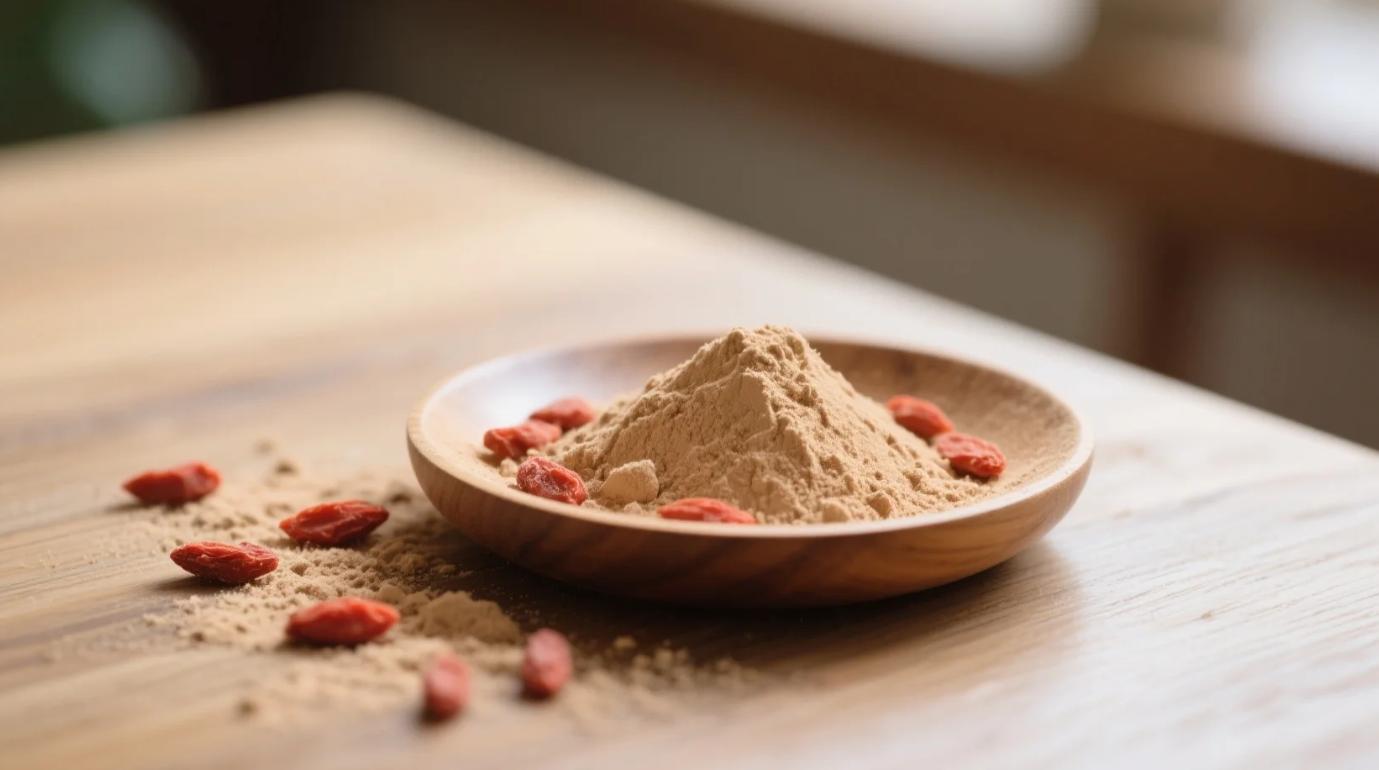
Goji earns its place on a professional specification for reasons that are measurable rather than mythical: carotenoids for eye and skin health, polysaccharides studied for immune activity, betaine and B vitamins for sustained energy, and a fibre load that makes dried fruit more useful than most snacks. The difference between a good product and a disappointing one comes down to form, processing and certification — which is what the buying checklist above is for. Choose organic, match the format to the routine, and the rest is a small daily habit rather than a supplement regime.
Ready to build the habit? Explore our full range of certified organic goji products — juice, dried berries, powder and extract — and find the format that fits your routine.
Recommended Products

Organic Goji Powder
Organic Goji — certified organic Lycium barbarum — offered in three complementary formats.
Related Posts


