
Spinach is a nutritional superstar, packed with iron, vitamins A and C, and a broad spectrum of antioxidants that support everything from immune resilience to healthy vision and glowing skin. But let’s face it—fresh spinach isn’t always practical. It wilts within days, takes time to wash and de-stem, and its bulky volume makes it awkward to keep on hand for everyday cooking. Even when you buy a generous clamshell at the farmers’ market, much of it often ends up limp and forgotten at the back of the refrigerator. Enter organic spinach powder and organic spinach juice powder, your secret weapons for sneaking greens into every meal without the prep work. These vibrant, nutrient-dense powders concentrate the goodness of fresh leaves into a shelf-stable form you can scoop, stir, and blend into almost anything. Because the water is removed during gentle low-temperature drying, a single spoonful can deliver the equivalent nutrition of a full handful of fresh leaves, yet it never wilts, browns, or spoils. Here’s how to transform your cooking with these versatile ingredients—whether you want to boost a weekday smoothie, enrich a family soup, or quietly add vegetables to a picky eater’s plate—while keeping flavor, color, and convenience firmly on your side. Think of spinach powder as the ultimate kitchen shortcut: all the wellness of a farmers’ market green, none of the waste, and endless creative possibility in the palm of your hand.
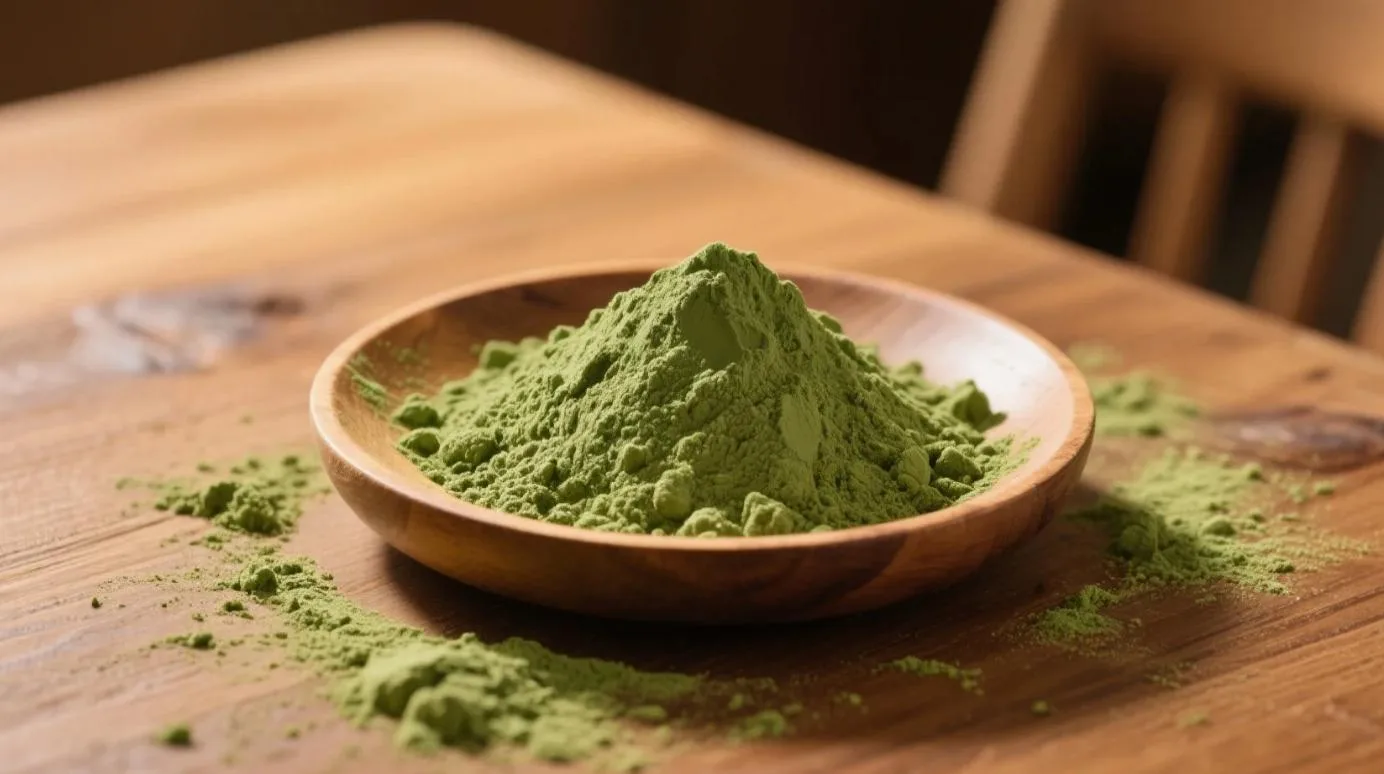
Why Cook with Spinach Powder?
- Nutrient Boost: Retains 90% of fresh spinach’s vitamins and minerals because the leaves are gently dried at low temperatures rather than boiled away, locking in iron, vitamin A, vitamin C, folate, and chlorophyll so each spoonful delivers concentrated plant nutrition year-round. Unlike fresh greens that lose potency as they sit, the powdered form preserves these compounds in a stable matrix, meaning the spinach you use in December is just as nourishing as the spring harvest. For households trying to eat more vegetables without a daily grocery run, that reliability is a genuine game changer for long-term health habits.
- Zero Prep: No washing, chopping, or wilting—just scoop and go! You skip the sink-full of gritty leaves and the sad, slimy bag at the back of the fridge, which means a serving of greens is always ninety seconds away no matter how busy dinner gets. There is no peeling, no de-stemming, and no sautéing required just to soften the texture. For meal-preppers and working parents, that time saving compounds across the week, turning good intentions into repeatable routines. A single jar effectively eliminates the most common excuse for skipping vegetables: not having any that are still fresh enough to use.
- Shelf-Stable: Lasts for months, reducing food waste. Unlike a clamshell of baby spinach that spoils in a week, a sealed jar of powder stays ready in the pantry, so you only use what you need and never toss forgotten produce into the compost. Properly stored away from heat and light, the powder keeps its color and nutrition for far longer than any fresh bunch could survive, which makes it ideal for camping trips, office lunches, and emergency pantries alike. Over a year, households that switch to powder typically throw away dramatically less spoiled produce and save meaningful money on groceries.
- Kid-Friendly: Hide greens in picky eaters’ favorite dishes. The mild, grassy note disappears into cheesy pasta, chocolate muffins, or fruit smoothies, letting children eat more vegetables with none of the battles over “green stuff” on the plate. Parents report that tinted-green pancakes and spinach-speckled mac and cheese become crowd-pleasers precisely because the vegetable is felt through nutrition rather than seen as a threat. As kids grow comfortable with the idea that greens can taste good, you can gradually increase the amount, building a foundation of healthy eating without ever turning the dinner table into a negotiation.
7 Creative Ways to Use Organic Spinach Powder
- Supercharge Smoothies
Blend 1–2 tsp of organic spinach powder into your morning smoothie. Pair with banana, mango, or pineapple to mask the green flavor, and add a date or spoon of yogurt for creaminess; the powder disperses instantly, giving you a full serving of leafy greens before the day even begins. For a café-style green smoothie, combine the powder with frozen mango, coconut water, a squeeze of lime, and a handful of ice, then blitz until silky. Because the powder is already dehydrated, it thickens the drink slightly and adds body without watering it down the way fresh leaves sometimes do, so your texture stays rich and satisfying. - Bake Sneaky Greens
Add 1 tbsp to muffin, pancake, or waffle batter. The color stays subtle, but the nutrition shines! Fold it into the dry mix so it bakes evenly, and try a double batch of spinach-banana muffins you can freeze for grab-and-go breakfasts the whole family will love. The powder pairs beautifully with cocoa, cinnamon, and vanilla, which means you can build brownies or energy bars that read as an indulgent treat while quietly carrying a vegetable serving. In bread dough, a tablespoon of spinach powder lends a faint garden hue and a tender crumb, proving that better-for-you baking need not sacrifice flavor or familiar comfort. - Boost Sauces & Dips
Stir into pesto, hummus, or pasta sauce for a vibrant hue and extra nutrients. A teaspoon blended into tomato sauce deepens the color toward garden-fresh, while a pinch in guacamole or ranch dip quietly upgrades the veggie count of snack time. Spinach powder also thickens thin sauces just slightly, helping them cling to pasta, so you get both nutrition and improved mouthfeel in one move. Try whisking it into a white béchamel for spinach lasagna, or folding it through cashew cream for a dairy-free green dip that looks as good as it tastes at a potluck or party. - Upgrade Soups & Broths
Mix into creamy soups (like potato or broccoli cheddar) or stir into miso broth for an instant health kick. Whisk the powder with a little warm stock first to avoid clumps, then swirl it in off the heat so the bright green stays vivid instead of turning olive-drab. The same trick works in lentil soup, butternut squash bisque, and even a quick weeknight chicken noodle. Because the powder is already cooked during processing, it won’t toughen or bitter the way overcooked fresh spinach can, letting you finish a pot with a confident handful of green goodness right before serving. - Whisk into Eggs
Add a teaspoon to scrambled eggs, omelets, or frittatas. Perfect for green eggs (no ham required)! The powder cooks evenly through the curds, lending a festive color for brunch and a nutrient bump that pairs beautifully with cheese, herbs, and sautéed onions. For a show-stopping weekend dish, beat the powder into the egg mixture with a splash of milk, pour over sautéed mushrooms, and finish under the broiler with goat cheese. The result is a vibrant, restaurant-worthy frittata that delivers a full vegetable serving before anyone has even noticed the color came from spinach. - Homemade Veggie Chips
Dust kale or zucchini chips with spinach powder before baking for extra crunch and nutrients. Mist the slices lightly with oil, sprinkle the powder plus a little salt, and roast until crisp; you get a double-green snack that tastes savory rather than bitter. The powder adheres best when the vegetables are barely damp, so pat slices dry first, then season. You can also mix spinach powder into a sprinkle of nutritional yeast for a cheesy, dairy-free coating that turns a humble root vegetable into a crave-worthy, lunchbox-friendly chip with genuinely improved nutrition. - Greenify Dressings
Blend with olive oil, lemon juice, garlic, and Parmesan for a zesty spinach dressing. Emulsify the powder into the acid first so it suspends smoothly, then drizzle over salads, roasted vegetables, or grain bowls for a restaurant-style finish with hidden greens. A spinach vinaigrette also works as a bright marinade for chicken or tofu, or as a toss for warm farro and chickpeas. Because the powder dissolves into the liquid phase, every bite carries a whisper of vegetable nutrition, proving that even the simplest salad upgrade can quietly move you toward your daily greens goal.
Organic Spinach Powder vs. Spinach Juice Powder: Cooking Tips
| Feature | Organic Spinach Powder | Organic Spinach Juice Powder |
|---|---|---|
| Texture | Fine, earthy, retains fiber | Smooth, dissolves easily |
| Best For | Baking, soups, savory dishes | Smoothies, juices, salad dressings |
| Flavor Impact | Mild, grassy | Light, slightly sweeter |
| Color Intensity | Bright green | Deep green (great for vibrant drinks) |
Pro Tips for Cooking Success
- Start Small: Begin with ½ tsp and adjust to taste. Spinach powder is concentrated, so a little goes a long way; building up gradually lets you find the sweet spot where nutrition is high but the grassy note never overwhelms delicate recipes. Keep a small scoop in the jar so portioning stays consistent, and note in your recipe notebook which dishes tolerate more. Over a few weeks you’ll develop an instinct for how much each family favorite needs, turning experimentation into effortless everyday habit rather than guesswork.
- Mix with Liquid: For even distribution, blend powder into water, milk, or oil before adding to recipes. A quick slurry prevents stubborn clumps in batters and sauces, giving you a smooth, uniform green rather than speckled pockets of dry powder. This is especially important in clear liquids like broth or lemon dressing, where undissolved specks would be visible; a brief whisk or a ten-second shake in a closed jar solves it. Treating the powder like a spice paste—bloomed first, then stirred in—consistently yields the cleanest, most professional-looking results.
- Pair with Strong Flavors: Garlic, lemon, cheese, or spices balance spinach’s earthiness. Acidic and umami partners cut the green edge, so a squeeze of citrus or a handful of Parmesan makes the powder taste intentional rather than like a health compromise. Sweet partners work too: banana, berry, and maple all buffer the grassy note in baked goods. Once you understand that spinach powder is a team player that loves bold companions, you can slot it into almost any cuisine—Mexican, Mediterranean, Asian—without it ever feeling out of place.
Why Choose Organic?
Conventional spinach often tops the “Dirty Dozen” list for pesticide residue. Certified organic spinach powders guarantee:
√ No synthetic pesticides or GMOs, so you avoid the chemical residues that routine testing frequently finds on conventionally grown leaves, giving peace of mind with every scoop.
√ Higher nutrient density (studies show organic greens have more antioxidants), because healthy, unforced soil tends to produce more defensive plant compounds that benefit you.
√ Sustainable farming practices that protect soil health and biodiversity, so your daily greens support both your body and the planet without the chemical load of conventional fields. Choosing organic is therefore not only a personal health decision but also a quiet vote for cleaner water, richer topsoil, and farming that the next generation can inherit without cost.
FAQ
Q: Can I substitute spinach powder for fresh spinach?
A: Yes! Use 1 tbsp powder ≈ 1 cup fresh spinach (adjust for texture). Because the water is removed, the powder is far more concentrated, so a small amount rebuilds the nutrition of a full handful of leaves—just expect less bulk and a smoother mouthfeel in the finished dish. In cooked recipes like soups, sauces, and bakes the swap is nearly seamless; in raw salads you’ll want to use the powder in a dressing rather than as a leaf replacement. Treat the conversion as a flexible guide, and taste as you go to keep the balance right.
Q: Does cooking destroy nutrients?
A: Spinach powder is already heat-processed, so nutrients stay stable during cooking. The drying step happens before you ever open the jar, meaning vitamins and minerals are locked in; normal baking, simmering, or blending won’t meaningfully degrade what the powder already preserves. The gentle low-temperature methods used for quality organic powders specifically protect heat-sensitive compounds like vitamin C and folate, so you can simmer a soup or bake muffins without worrying that you’re cooking the goodness away. Storage matters more than cooking—keep the jar sealed, cool, and dark.
Q: How much should I use daily?
A: 1–2 tbsp is a safe, effective dose for most adults. This delivers a meaningful serving of greens without overloading on oxalates, and you can split it across meals—say a teaspoon in a smoothie and another in dinner’s sauce—to keep intake steady and gentle on digestion. Individuals with a history of kidney stones should consult a healthcare provider about oxalate intake, but for the general population this daily range is both practical and beneficial. Consistency beats quantity, so find an easy daily habit rather than an occasional large dose.
Recommended Products

Organic Spinach Powder
Organic Spinach Powder is available in two specifications: Organic Spinach Powder (Whole Leaf) and…
Related Posts


