Table of Contents
For food, beverage, and nutrition brands, organic dextrose powder is no longer just a functional carbohydrate—it is a strategic raw material that affects label claims, formulation stability, regulatory compliance, and long-term supply security.
As demand for organic and clean-label products continues to grow, procurement teams face a critical question:
How do you source organic dextrose powder that meets quality standards, performs consistently, and supports scalable production?
This guide is designed to help buyers make informed sourcing decisions.
Why Procurement Strategy Matters for Organic Dextrose Powder
Unlike conventional sweeteners, organic dextrose powder involves stricter requirements across agriculture, processing, and documentation. A poor sourcing decision can lead to:
- Inconsistent sweetness or solubility
- Certification risks during audits
- Production delays due to unstable supply
- Reformulation costs caused by quality variation
A structured procurement approach reduces these risks and protects both product performance and brand reputation.
Key Quality Criteria Buyers Should Evaluate
Before selecting a supplier, procurement teams should assess organic dextrose powder across several technical and commercial dimensions.
1. Organic Certification and Compliance
Ensure the product is certified under recognized standards such as USDA Organic or EU Organic. Documentation should be current, traceable, and audit-ready.
2. Raw Material Source
High-quality organic dextrose powder is typically derived from organic corn or other approved starch sources. Buyers should confirm:
- Non-GMO origin
- Country of cultivation
- Farming and harvesting controls
3. Physical and Functional Specifications
Consistent performance in production depends on stable specs, including:
- Dextrose equivalent (DE)
- Particle size distribution
- Solubility and flowability
- Moisture content
Reliable suppliers provide detailed technical data sheets and batch consistency.
4. Food Safety and Manufacturing Standards
Look for suppliers operating under recognized food safety systems such as HACCP, ISO, or equivalent. This is especially important for products used in infant nutrition, sports nutrition, or medical foods.
Application-Specific Procurement Considerations
Different applications place different demands on organic dextrose powder.
- Beverages & Drink Mixes require fast solubility and neutral taste
- Sports Nutrition demands rapid absorption and predictable glycemic response
- Bakery & Confectionery benefits from controlled sweetness and browning behavior
- Infant & Medical Nutrition requires strict safety, purity, and traceability
Buyers should align specifications with the final application rather than sourcing purely on price.
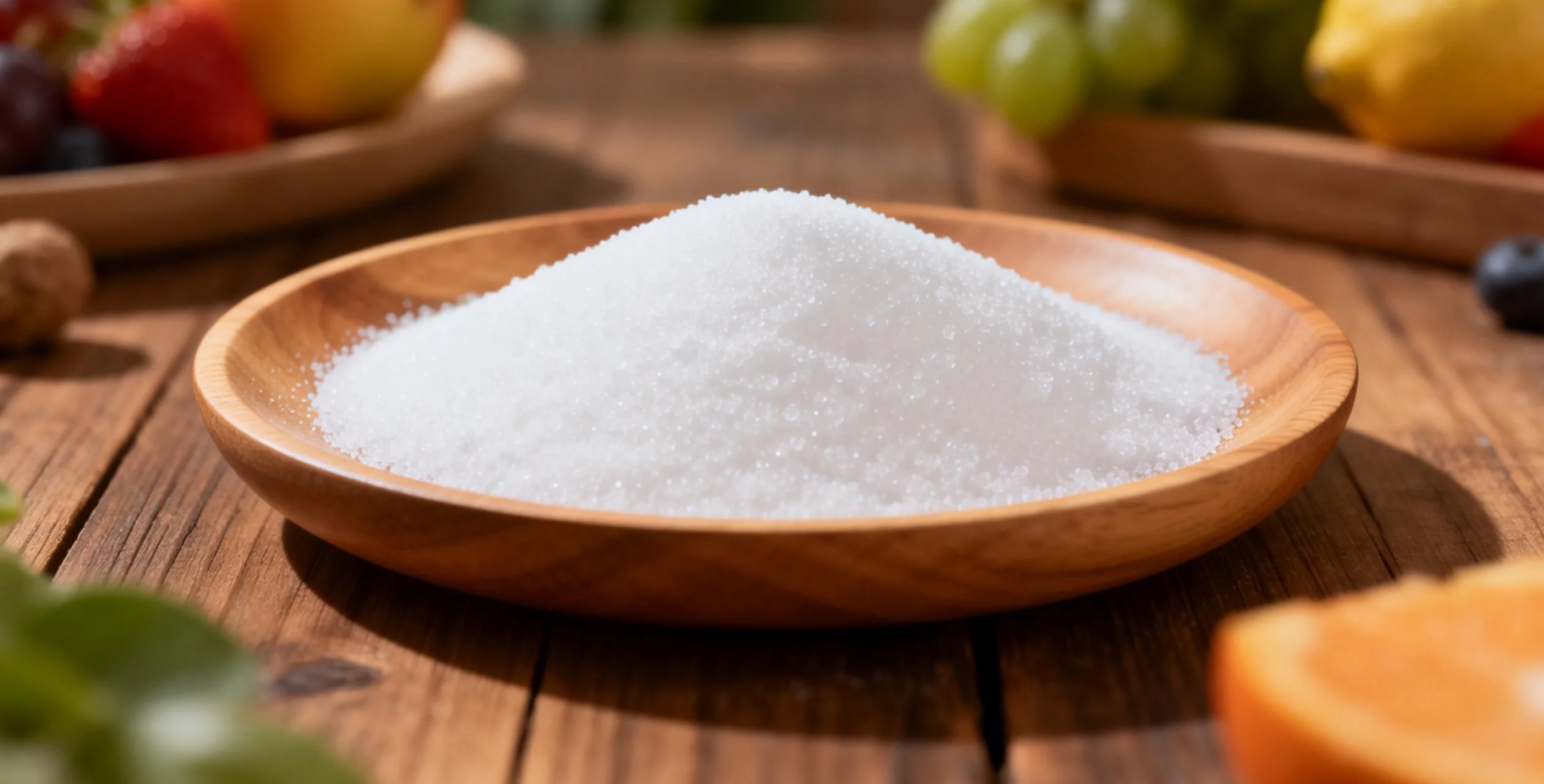
How to Source Organic Dextrose Powder Step by Step
How To Build a Reliable Sourcing Process
Step 1: Define Technical Requirements
Clarify application, target sweetness, solubility, and processing conditions.
Step 2: Verify Certifications Early
Request organic certificates, non-GMO statements, and regulatory compliance documents upfront.
Step 3: Request Samples and COAs
Evaluate product performance in real formulations before approving for scale.
Step 4: Assess Supply Stability
Confirm production capacity, lead times, and ability to support long-term contracts.
Step 5: Evaluate Commercial Terms
Compare MOQ, packaging options, logistics support, and pricing transparency.
Step 6: Select a Strategic Supplier, Not Just a Vendor
Long-term collaboration reduces reformulation risk and ensures consistent quality as demand grows.
Why More Brands Are Switching to Strategic Organic Dextrose Suppliers
Forward-looking brands increasingly prefer suppliers that offer:
- Technical support during formulation
- Multiple organic carbohydrate options for future expansion
- Stable pricing structures
- Experience with international markets
Organic dextrose powder often becomes a foundation ingredient, making supplier reliability critical to overall product success.
Frequently Asked Questions
1: Is organic dextrose powder functionally different from conventional dextrose?
Functionally, organic dextrose powder performs similarly in terms of sweetness, solubility, and energy delivery. The key differences lie in source, processing, and certification, which support clean-label and organic claims.
2: Can organic dextrose powder be used in certified organic finished products?
Yes, when sourced from a certified supplier and used according to organic regulations, it can be included in certified organic formulations.
3: What shelf life should buyers expect?
When stored properly in a cool, dry environment, organic dextrose powder typically offers a stable shelf life suitable for large-scale production planning.
4: Is organic dextrose powder suitable for sports and medical nutrition?
Yes. Its rapid glucose availability makes it ideal for sports, recovery, and clinical nutrition, provided the supplier meets relevant safety standards.
5: How can buyers ensure long-term supply stability?
Working with experienced producers that control raw materials and processing capacity is the most effective way to ensure consistent supply.
Final Takeaway for Buyers
Sourcing organic dextrose powder is not simply a purchasing decision—it is a strategic choice that affects product quality, certification integrity, and brand positioning.
By focusing on certification, consistency, application fit, and supplier reliability, procurement teams can secure an ingredient that supports both current production needs and long-term growth.
For brands building organic, clean-label, or performance-driven products, high-quality organic dextrose powder is a foundational investment—not a commodity.
Related Products
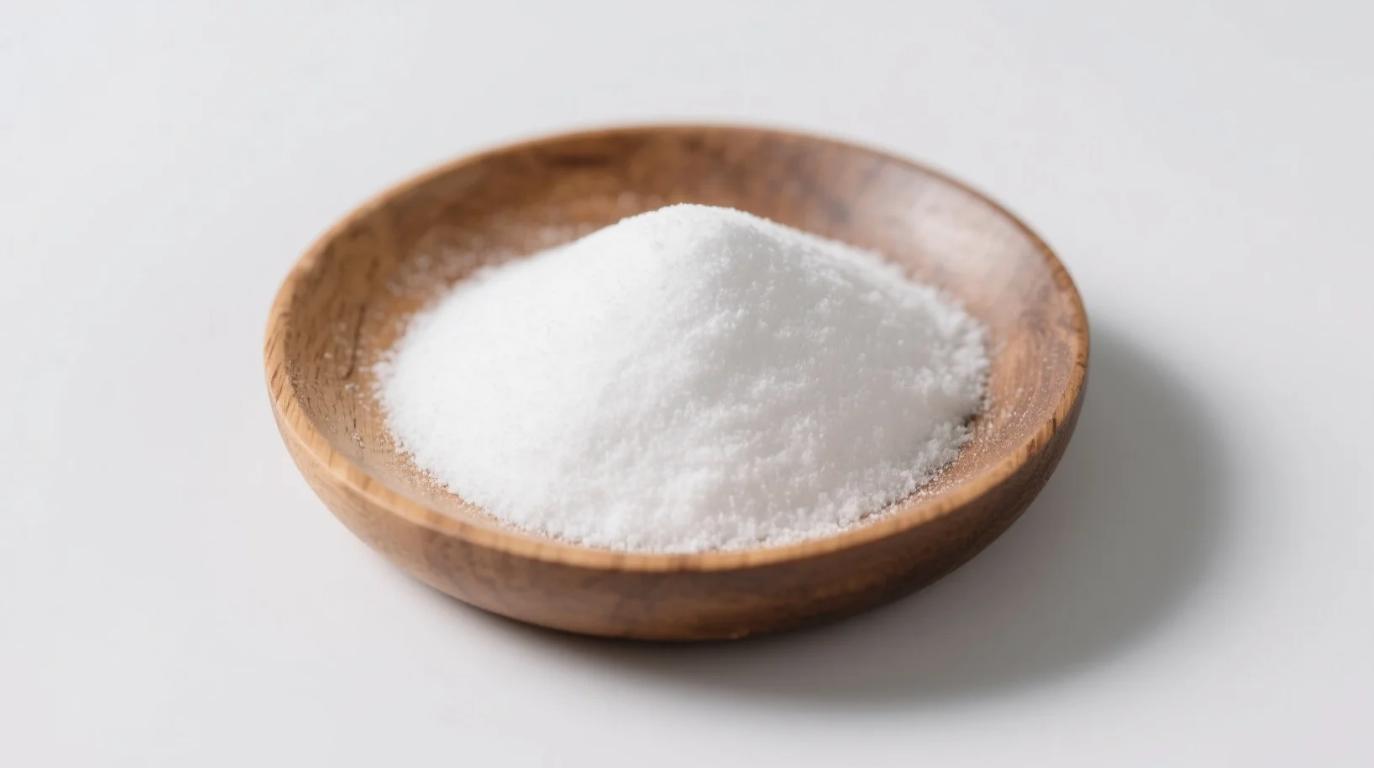
Organic Dextrose Powder
A simple, naturally derived sugar from organic corn starch, offering clean sweetness,…