Table of Contents
In modern food manufacturing, ingredient functionality is just as important as clean labeling. Brands are under increasing pressure to deliver consistent texture, extended shelf life, and reliable processing performance—while still meeting organic and natural product expectations. This is where organic glucose syrup plays a critical role.
Derived from certified organic starch sources, organic glucose syrup is widely used as a functional carbohydrate in confectionery, bakery, dairy, beverage, and processed food applications. Beyond sweetness, it offers essential benefits such as viscosity control, moisture retention, crystallization prevention, and improved product stability. For manufacturers seeking dependable performance without compromising organic integrity, organic glucose syrup has become a strategic ingredient.
Why Texture and Stability Matter in Industrial Food Production
Texture and stability directly influence consumer perception, product consistency, and operational efficiency. Issues such as sugar crystallization, moisture migration, phase separation, or inconsistent mouthfeel can result in rejected batches, shorter shelf life, or brand damage.
Organic glucose syrup addresses these challenges by acting as a functional binder and stabilizer, not merely a sweetener. Its molecular composition allows it to interact effectively with water, fats, and other carbohydrates, supporting uniform structure throughout a product’s lifecycle.
Key Functional Benefits of Organic Glucose Syrup
1. Texture Enhancement
Organic glucose syrup contributes body and smoothness to finished products. In confectionery and fillings, it creates a soft, cohesive texture. In bakery applications, it supports crumb structure and chewiness without excessive sweetness.
2. Crystallization Control
One of the most important roles of organic glucose syrup is inhibiting sucrose crystallization. This is especially valuable in candies, jams, and syrups where graininess can negatively impact quality.
3. Moisture Retention
As a humectant, organic glucose syrup helps retain moisture, preventing products from drying out during storage. This supports longer shelf life and better texture stability, particularly in baked goods and snack bars.
4. Process Stability
Organic glucose syrup performs consistently under heat, shear, and pH variations. This makes it suitable for high-temperature cooking, extrusion, and industrial-scale mixing processes.
5. Clean-Label Compatibility
When sourced from certified organic raw materials and processed according to organic standards, organic glucose syrup fits well into clean-label and organic product positioning.
Common Application Areas
Organic glucose syrup is widely used across multiple food categories:
- Confectionery: gummies, caramels, fondants, hard candy
- Bakery: cakes, cookies, fillings, glazes
- Dairy and frozen desserts: ice cream, yogurt bases
- Beverages: flavored syrups, energy drinks
- Processed foods: sauces, dressings, fruit preparations
Each application benefits from its ability to balance sweetness, viscosity, and stability.
How To Use Organic Glucose Syrup Effectively in Formulations
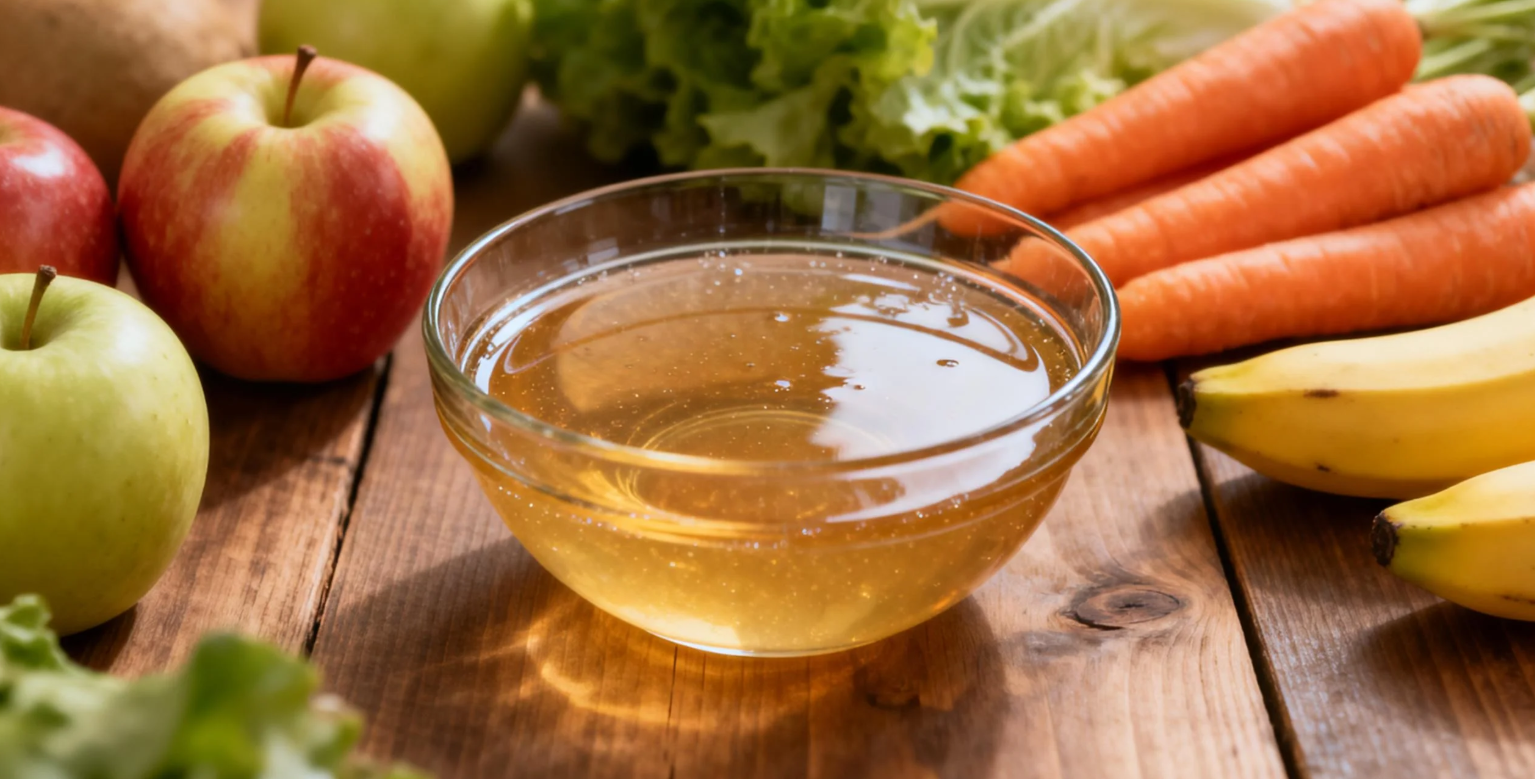
How To Use Organic Glucose Syrup Effectively in Formulations
Step 1: Define Functional Goals
Determine whether your primary objective is texture improvement, sweetness adjustment, moisture control, or crystallization prevention. This helps define the appropriate DE range and usage level.
Step 2: Select the Right Specification
Organic glucose syrup is available in different DE (Dextrose Equivalent) values. Lower DE syrups provide higher viscosity and lower sweetness, while higher DE syrups offer more sweetness and fermentability.
Step 3: Optimize Usage Levels
Typical inclusion rates range from 5% to 40%, depending on the product category. Pilot trials are recommended to balance functionality with cost and flavor.
Step 4: Adjust Processing Parameters
Organic glucose syrup performs well under heat but should be added at appropriate stages to ensure full solubility and uniform distribution.
Step 5: Validate Shelf Life
Conduct stability and storage tests to confirm improvements in texture, moisture retention, and crystallization resistance.
Purchasing Considerations for B2B Buyers
When sourcing organic glucose syrup, buyers should evaluate:
- Organic certification (USDA Organic, EU Organic, etc.)
- Raw material origin and traceability
- Consistent DE specification
- Batch-to-batch stability
- Supply reliability and technical support
A reliable supplier should offer documentation, formulation guidance, and long-term availability.
FAQ: Organic Glucose Syrup in Food Manufacturing
Q1: Is organic glucose syrup the same as corn syrup?
Organic glucose syrup may be derived from organic corn or other organic starch sources, but it differs in certification, processing standards, and traceability.
Q2: Does organic glucose syrup significantly increase sweetness?
Not necessarily. Many formulations use low to medium DE organic glucose syrup primarily for texture and stability rather than sweetness.
Q3: Can organic glucose syrup replace sugar entirely?
In most applications, it is used alongside other sweeteners. Partial replacement improves functionality while maintaining desired sweetness profiles.
Q4: Is organic glucose syrup suitable for vegan products?
Yes. It is plant-based and widely used in vegan and plant-based formulations.
Q5: Does organic glucose syrup affect labeling?
It can be labeled clearly as organic glucose syrup, supporting clean-label and organic product claims when properly certified.
Conclusion
Organic glucose syrup is more than a sweetener—it is a multifunctional ingredient that enhances texture, stability, and processing efficiency across a wide range of food applications. For manufacturers focused on quality, consistency, and organic compliance, it offers a reliable and scalable solution.
By selecting the right specification and working with an experienced supplier, food brands can unlock the full functional value of organic glucose syrup while meeting evolving market expectations for organic and clean-label products.
Related Products
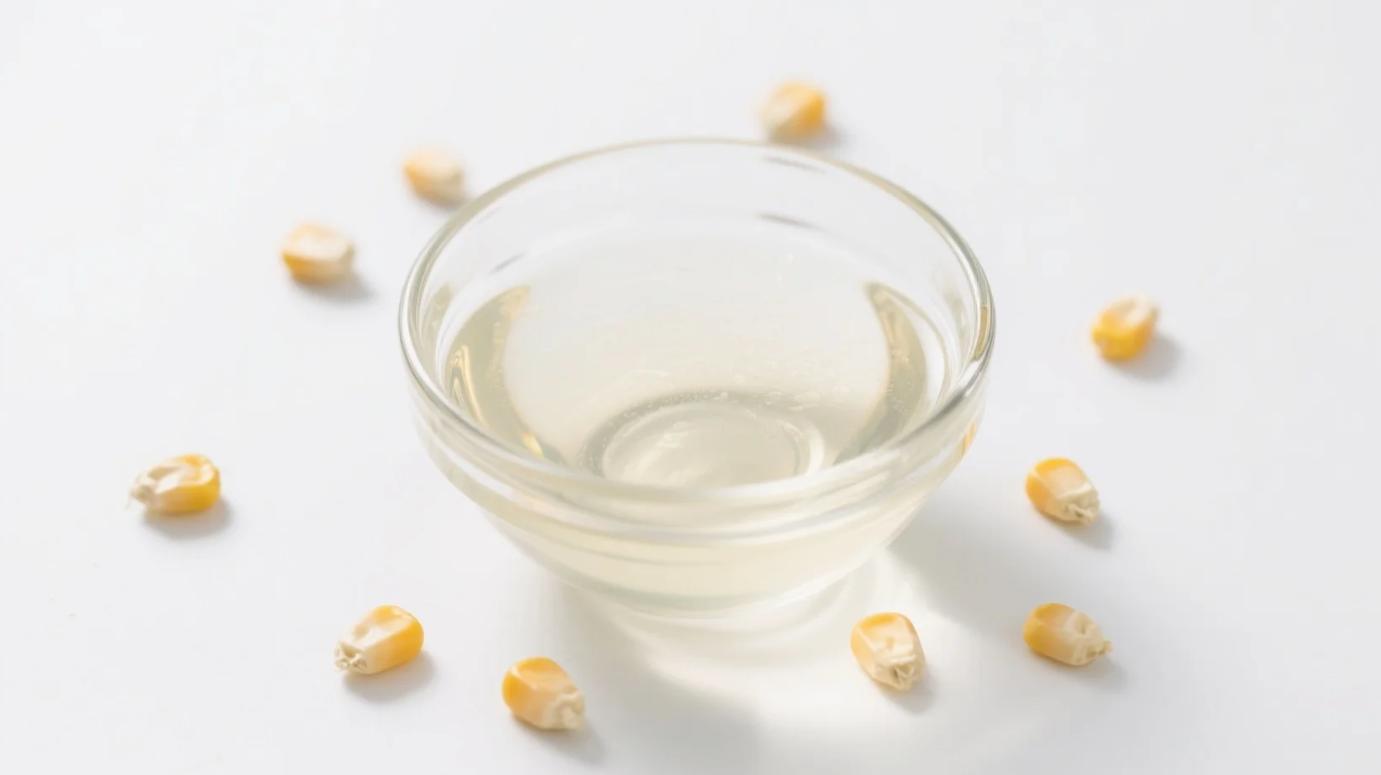
Organic Glucose Syrup
A versatile, non-GMO liquid sweetener that controls crystallization and provides essential humectancy.…