
Table of Contents
Omega-3 and omega-6 fatty acids are two families of polyunsaturated fats that the human body cannot manufacture on its own, which means they must be obtained through diet. Although they are both classified as “essential” fatty acids, they play strikingly different — and in many ways opposing — roles inside the body, particularly when it comes to inflammation. Inflammation is the immune system’s natural first response to injury or infection, but when it becomes chronic and low-grade, it quietly fuels the development of many of today’s most widespread chronic diseases, including obesity, type 2 diabetes, cardiovascular disease, rheumatoid arthritis, depression, and several forms of cancer. Omega-3 fatty acids are generally anti-inflammatory, meaning they help resolve inflammation, calm overactive immune responses, and reduce the pain and stiffness associated with inflammatory conditions. Omega-6 fatty acids, by contrast, are generally pro-inflammatory, meaning they help initiate the inflammatory cascade that the body needs to fight pathogens and heal wounds. This does not make omega-6 “bad” — acute inflammation is a lifesaving process — but the problem arises when the modern diet tips the balance so far toward omega-6 that the body remains in a constant state of low-grade inflammation. Crucially, research increasingly shows that the balance between omega-3 and omega-6 fatty acids is far more important than the total amount of either one. A diet that contains plenty of both fats can still be healthy if the ratio is kept in a reasonable range, whereas a diet overloaded with omega-6 and starved of omega-3 can push the body toward a pro-inflammatory state even when total fat intake looks normal.
The optimal ratio of omega-6 to omega-3 fatty acids in the diet has been debated by nutrition scientists for decades, and there is no single universally agreed-upon number, but a broad consensus among experts suggests that a healthy dietary ratio should fall somewhere between 4:1 and 1:1 (that is, no more than four grams of omega-6 for every one gram of omega-3). Some traditional and ancestral diets, such as those followed by many coastal and Mediterranean populations, naturally sit close to a 2:1 or even 1:1 ratio, and these populations have historically shown lower rates of inflammatory disease. The problem is that the typical modern Western diet has drifted dramatically toward a ratio of about 15:1 to 20:1, and in some heavily processed diets it can climb even higher. This shift is largely the result of the widespread adoption of refined vegetable oils — such as soybean, corn, sunflower, and safflower oils — which are extraordinarily rich in linoleic acid, the primary dietary omega-6 fat. These oils are now present in everything from salad dressings and baked goods to fried fast food and packaged snacks, which means most people consume them dozens of times per day without realizing it. When the omega-6 to omega-3 ratio climbs into the high teens, the body’s inflammatory pathways are continuously stimulated, and a growing body of evidence links this imbalance to the rising global burden of inflammatory diseases, including obesity, insulin resistance and diabetes, atherosclerosis and cardiovascular disease, certain cancers, asthma, and autoimmune disorders. Correcting this ratio — by both reducing excess omega-6 from processed foods and increasing omega-3 from whole-food sources — is therefore one of the most practical, food-based strategies for lowering chronic disease risk.

How can one improve the balance of omega-3 and omega-6 fatty acids in the diet?
Improving the omega-6 to omega-3 balance does not require a drastic or restrictive diet; rather, it is best achieved through two complementary changes that work together. First, increase the intake of omega-3-rich whole foods: fatty fish such as salmon, mackerel, sardines, anchovies, and herring are among the most concentrated natural sources of the long-chain omega-3s EPA and DHA; plant foods such as flaxseeds, chia seeds, walnuts, and soybeans supply alpha-linolenic acid (ALA), a shorter-chain omega-3 that the body can partially convert into EPA and DHA. Second, deliberately decrease the intake of omega-6-rich foods, especially those built on refined vegetable oils, heavily processed and fried convenience foods, and grain-fed meat from animals raised on soy- and corn-heavy diets (pasture-raised and grass-fed animal products tend to have a more favorable fatty acid profile). Reading ingredient labels is one of the most effective habits here, because oils like soybean and sunflower fat hide inside crackers, granola bars, frozen meals, and restaurant cooking. For people who struggle to eat enough fatty fish or who have higher anti-inflammatory needs, omega-3 supplements such as high-quality fish oil, krill oil, or algae-derived DHA can be used to boost intake reliably; algae oil in particular is an excellent vegan source of the same DHA found in fish. The key is consistency: small daily improvements in food choices compound over months into a measurably better fatty-acid balance, reduced inflammatory markers, and noticeable changes in how the body feels.
One of the best and most convenient sources of both omega-3 and omega-6 fatty acids is organic hemp seed oil. Hemp seed oil is cold-pressed from the seeds of the hemp plant (Cannabis sativa), a member of the same plant family as cannabis but cultivated from varieties that contain only trace amounts of THC, the psychoactive compound responsible for the “high” associated with marijuana, so it is completely non-intoxicating and safe for daily use. What makes hemp seed oil especially valuable for fatty-acid balance is its naturally low ratio of omega-6 to omega-3 of about 3:1, which is considered close to ideal for human health and sits comfortably within the recommended range that most modern diets fail to reach. Beyond the basic omega-3 and omega-6 content, hemp seed oil also contains gamma-linolenic acid (GLA), a rare and especially beneficial omega-6 fat that behaves differently from the linoleic acid found in most vegetable oils — GLA has well-documented anti-inflammatory and hormonal-balancing properties, which helps offset the pro-inflammatory effects normally associated with omega-6 fats. Hemp seed oil is also rich in vitamin E, plant sterols, and antioxidants that protect cells from oxidative stress, and its mild, nutty flavor makes it easy to enjoy. For anyone looking to nudge their omega-6 to omega-3 ratio back toward a healthier range without overhauling their entire diet, adding a spoonful of organic hemp seed oil to daily meals is one of the simplest and most effective steps available.
Hemp seed oil has been shown in both traditional use and a growing body of clinical and laboratory research to have a remarkably wide range of health benefits, including the following:
- Improving skin conditions, such as acne, eczema, psoriasis, and lichen planus — the balanced fatty acids and GLA in hemp seed oil help strengthen the skin’s natural barrier, lock in moisture, calm redness, and reduce the dryness and itching that make these conditions uncomfortable, which is why hemp seed oil is increasingly found in natural skincare formulations.
- Lowering blood pressure and cholesterol levels — the anti-inflammatory omega-3s and the arginine content in hemp seed oil support healthy blood vessel function and may help improve the ratio of “good” HDL to “bad” LDL cholesterol, contributing to better overall cardiovascular markers.
- Promoting heart health and preventing cardiovascular diseases — by reducing chronic inflammation, supporting balanced blood lipids, and providing plant-based compounds that protect blood vessels from oxidative damage, hemp seed oil addresses several of the root mechanisms behind heart disease.
- Relieving pain and inflammation — GLA and other cannabinoids-free anti-inflammatory constituents in hemp seed oil can help ease the joint pain and stiffness linked to arthritis and other inflammatory conditions, offering a gentle, food-based complement to conventional care.
- Supporting a healthy pregnancy and reducing symptoms of PMS and menopause — the GLA and hormone-balancing nutrients in hemp seed oil may help ease menstrual cramps, mood swings, and hot flashes, while its nutrient density makes it a useful addition to a pregnancy-focused diet (always consult a healthcare provider before using any supplement during pregnancy).
- Acting as an antibacterial agent and preventing infections — compounds in hemp seed oil have demonstrated activity against certain bacteria and fungi, supporting the body’s natural defenses and making it useful both when taken internally and when applied to the skin.
Hemp seed oil is exceptionally versatile and can be enjoyed in several ways depending on your needs. It can be taken by the spoonful as a daily dietary supplement, drizzled over salads, blended into smoothies, or used as a finishing oil for cooked vegetables, grains, and pasta — though it should not be used for high-heat frying because its delicate polyunsaturated fats begin to break down and lose their nutritional value above moderate temperatures. In the kitchen it pairs especially well with lemon, garlic, and fresh herbs. Beyond the plate, hemp seed oil can also be applied topically to the skin or massaged into the hair, where its fatty acids and vitamin E deliver deep moisturizing and nourishing effects, helping to soften rough patches, calm irritation, and add shine to dry hair. Because it is cold-pressed, unrefined, and free from artificial additives, a truly organic hemp seed oil retains the full spectrum of its natural nutrients. Stored in a cool, dark place and kept tightly sealed, a bottle will stay fresh for many months, making it an easy, shelf-stable staple for anyone building a more anti-inflammatory, balance-focused way of eating.
Conclusion
Omega-3 and omega-6 fatty acids are both essential for human health and well-being, but the modern diet has pushed most people far out of balance in favor of excess omega-6. By understanding that these two fat families exert opposite effects on inflammation — and that the ratio between them matters more than the total amount — you can make simple, targeted changes that lower chronic inflammation and support long-term wellness. The most effective approach combines two habits: trimming the refined vegetable oils and processed foods that flood the diet with omega-6, and adding reliable omega-3 sources such as fatty fish, seeds, and a high-quality supplement when needed. Among whole-food options, organic hemp seed oil stands out as a naturally balanced, non-intoxicating, and nutrient-rich source of both omega-3 and omega-6 (at an ideal roughly 3:1 ratio) plus anti-inflammatory GLA, making it one of the easiest ways to restore a healthier fatty-acid balance. By maintaining this proper balance, you can optimize your health, ease everyday inflammation, and help prevent or manage a wide range of chronic diseases — and hemp seed oil offers a natural, organic, and convenient path to getting there.
Recommended Products
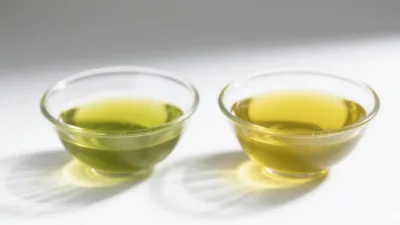
Organic Hemp Seed Oil
Organic Hemp Seed Oil is an oil naturally balanced in fatty acids, delivering the…

Hemp Seed Oil Microcapsule Powder
Other Name: Hemp Seed Oil Microencapsulation Powder Natural Active: Sourced from Hemp Seed Oil,…
Related Posts