1. Cherries
These tasty little fruits are far more than a sweet seasonal treat — they are a concentrated source of plant compounds that directly support the body’s filtration and inflammatory systems. Cherries help reduce redness and swelling (the two hallmarks of low-grade inflammation) and contain a healthy amount of vitamin C as well as vitamin K, folate, vitamin B6, magnesium, and citrate. The tarter the cherry, the higher the level of citrate, which is one of the reasons tart Montmorency cherries are so often recommended over the sweeter Bing varieties. Citrate reduces uric acid in the bloodstream, and elevated uric acid is the root cause of gout flares and a known contributor to certain forms of arthritis and kidney stress. Those who eat cherries have been found to have lower uric acid levels and a lower risk of gout attacks, with several observational studies showing that a daily serving of cherries or tart cherry juice can cut recurrent gout attacks by a meaningful margin. Beyond uric acid, the deep red pigment in cherries — anthocyanins — acts as an antioxidant that helps neutralize free radicals before they can damage delicate kidney tubules. The vitamin C content further supports collagen formation and immune resilience, while magnesium plays a quiet but essential role in muscle relaxation and blood pressure regulation, both of which ease the workload placed on the kidneys. For people interested in kidney support, a practical approach is to enjoy a handful of fresh or frozen tart cherries several times a week, or to use unsweetened tart cherry concentrate diluted in water. Because cherries are naturally low in sodium and free of saturated fat, they fit comfortably into a renal-friendly eating pattern without adding the dietary burdens that processed snacks bring.
2. Cranberries
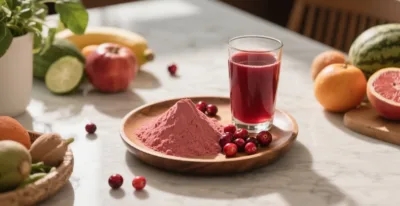
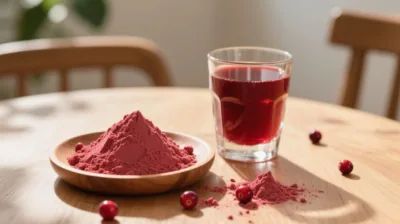
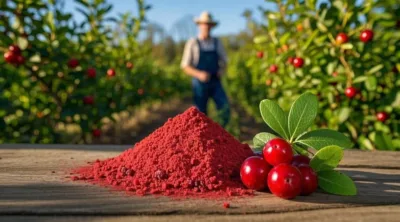
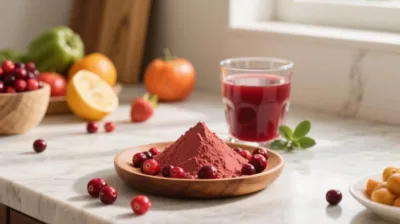
Cranberries also offer high levels of vitamin C and manganese, two nutrients that contribute to connective-tissue health and normal metabolism, but their real claim to fame lies in how they influence the urinary tract. Women have traditionally used it to fight off UTIs, and the reason is practical: certain compounds in cranberries, called proanthocyanidins, make it harder for bacteria to cling to the walls of the urinary tract, so they are more likely to be flushed out before an infection can take hold. Recent research has found pure cranberry juice (not the sugary stuff) diluted in water reduced urinary levels of oxalate and phosphate, which reduce the formation of kidney stones. This is significant because calcium oxalate stones are the most common type of kidney stone, and lowering the amount of oxalate excreted in the urine directly lowers stone risk. It is worth being specific here: the sweetened cranberry “cocktail” drinks found in most supermarkets are loaded with added sugar and provide little of the benefit, whereas pure, unsweetened cranberry juice or concentrated capsules retain the active compounds. The manganese in cranberries supports enzyme function and bone development, while vitamin C doubles as an antioxidant that protects cells from oxidative wear. For anyone focused on kidney and urinary health, cranberries are best used as a preventive staple rather than a treatment — a small glass of diluted pure cranberry juice daily, or a serving of whole cranberries, can help keep the urinary environment unfavorable to both bacteria and stone-forming minerals. As always, people taking blood-thinning medication should check with a clinician before using large amounts of cranberry, since it can interact with certain drugs.
3. Cinnamon
Cinnamon is known for its ability to help regulate glucose levels, and blood-sugar balance is one of the most overlooked pillars of kidney health. This can help the body manage glucose better and offer protection from blood sugar disorders such as insulin resistance and type 2 diabetes, both of which quietly erode kidney function over years when left unchecked. Excess glucose that results from diabetes can cause damage to the kidneys by forcing the delicate filtering units — the nephrons — to work harder and by promoting inflammatory changes in the blood vessels that feed them; diabetic kidney disease is in fact one of the leading causes of chronic kidney problems worldwide. Cinnamon steps in on two fronts: its active compound, cinnamaldehyde, appears to improve how cells respond to insulin, and some studies suggest it can modestly lower fasting blood sugar. Another study confirmed that cinnamon can be used as a supplement without concern for increased oxalate risk, which matters because oxalate is the mineral most associated with kidney-stone formation — a supplement that helps blood sugar but raises stone risk would be a poor trade-off, and cinnamon appears to avoid that trap. There are two common types on the market, Ceylon (“true” cinnamon) and the more common Cassia cinnamon, and Ceylon is generally preferred for regular use because it contains far less coumarin, a compound that can stress the liver in high amounts. A realistic way to use cinnamon for kidney support is to sprinkle it onto oatmeal, stir it into herbal tea, or use it to flavor coffee as a sugar substitute, thereby improving glucose control while reducing the added sugar that would otherwise burden the kidneys. Used consistently and in moderation, cinnamon is a simple, fragrant ally for anyone aiming to protect long-term renal and metabolic health.
4. Kidney Beans
The shape and name of these beans may suggest which organ benefits most from their healing potential, but the connection is more than symbolic. Kidney beans are known as an effective home remedy for kidney stones, and there is a concrete reason behind the folk wisdom: the pods and broth of kidney beans have traditionally been used to help the body flush out toxins and ease the passage of small stones. In ancient times, the pods served as a medicinal tonic, and traditional herbal systems across several cultures used kidney bean pod tea as a gentle diuretic to encourage urine flow and support the elimination of waste. From a nutritional standpoint, kidney beans are rich in fiber, plant protein, folate, iron, and potassium, and they provide steady, slow-digesting carbohydrate that avoids the blood-sugar spikes linked to kidney strain. Their fiber content also supports a healthy gut microbiome, and emerging research shows that a balanced gut ecosystem can reduce the production of uremic toxins that would otherwise fall to the kidneys to clear. When prepared as a broth — simmering the pods and then straining the liquid — kidney beans offer a mild, mineral-rich fluid that promotes hydration and urination without the sodium load of many commercial broths. It is important to note that anyone with a history of kidney stones should still work with a clinician on the underlying cause, because not all stones respond to the same diet; still, as part of a balanced, plant-forward eating pattern, kidney beans are a wholesome food that honors both their name and their traditional reputation. Soaking and thoroughly cooking dried beans also reduces lectins and improves digestibility, making them a safe and nourishing staple for everyday kidney-conscious meals.
5. Olive Oil
Like fish, olive oil provides a healthy serving of nutrient-dense, unsaturated fats, but unlike many animal sources it delivers those fats without the saturated burden that can aggravate cardiovascular and renal strain. Olive oil is also the basis for the ‘Mediterranean Diet,’ a way of eating consistently ranked among the healthiest patterns studied by nutrition science. A recent study found individuals suffering from chronic kidney disease who adopted this diet experienced improvements in both symptoms and survival, a striking result that underscores how powerfully dietary fat quality can shape kidney outcomes. The active components in olives — chiefly oleuropein, hydroxytyrosol, and other polyphenols — improve the life of those suffering from chronic kidney disease and will certainly provide kidney support to those looking to maintain kidney health by calming oxidative stress and softening inflammation along the blood-vessel walls. Extra-virgin olive oil, the least processed form, retains the highest level of these protective compounds, and using it raw on salads or as a finishing drizzle preserves them better than high-heat cooking. Because the kidneys are highly sensitive to blood pressure and vascular health, the monounsaturated fats in olive oil — which help maintain healthy cholesterol levels — indirectly shield the filtration system from the slow damage that clogged or stiffened vessels cause. For everyday use, swapping butter, lard, or highly refined seed oils for a measured amount of extra-virgin olive oil is one of the simplest dietary shifts a person can make to support both heart and kidney function at once. Stored away from heat and light to prevent rancidity, a good bottle of olive oil becomes a daily, delicious form of preventive care.
6. Java Tea
Also known as Orthosiphon stamineus, this herb has been a standard of folk medicine for a long time, particularly across Southeast Asia where it is brewed as a mild, pleasant “cat’s whiskers” tea. It has typically been used for kidney disorders, and its traditional reputation is now backed by modern investigation. A recent study has confirmed it to support the kidneys, as well as the flushing the liver and gastrointestinal tract, which together describe a gentle, full-body cleansing action centered on the organs of elimination. The mechanism is largely diuretic: java tea encourages the production of urine, which helps the body wash away excess salts, metabolic waste, and the byproducts that the kidneys and liver must otherwise process in concentration. It also offers potentials for blood sugar stabilization, antioxidant protection, and blood pressure stabilization, three benefits that converge precisely on the systems most likely to undermine kidney health when they drift out of range. The antioxidant terpenes and flavonoids in Orthosiphon help mop up free radicals, while its mild natriuretic effect — promoting sodium loss through urine — can take gentle pressure off both the kidneys and the circulatory system. People generally use java tea as a daily infusion, much like green tea, and it pairs well with the other kidney-friendly herbs and foods described here. As with any herb that affects fluid and electrolyte balance, those already on diuretic medication or with diagnosed kidney disease should consult a healthcare provider before making it a routine part of their regimen, but for general maintenance java tea is a time-tested, low-risk way to keep the body’s filtration and drainage pathways moving smoothly.
7. Onions (and garlic!)
Both onions and garlic contain quercetin, a compound worth knowing by name because it shows up again and again in discussions of natural anti-inflammatory support. Quercetin is a powerful flavonoid associated with antioxidant benefits and potency against redness and irritation, and it is one of the reasons the allium family — onions, garlic, leeks, and shallots — earns a permanent place in a kidney-conscious kitchen. Research has found quercetin helps provide protection against kidney damage for smokers, a group whose kidneys face extra oxidative assault from the toxins in tobacco smoke; the flavonoid appears to blunt that damage at the cellular level. [7] For non-smokers, the bonus protection provided by quercetin combined with improved fat metabolism helps protect the body’s filters, since healthy fat processing reduces the metabolic load that the kidneys must silently manage around the clock. Garlic adds its own layer of benefit through sulfur compounds such as allicin, which support circulation and may help mild blood-pressure control, and both onions and garlic are low in potassium — a practical advantage for people on a renal diet who must limit higher-potassium foods. They also lend deep flavor without added salt, making it easier to cut sodium, the mineral most directly tied to kidney-pressure strain. Used as a flavor base for soups, stews, and sautéed vegetables, onions and garlic turn an ordinary meal into a quietly therapeutic one. The takeaway is simple: build dishes around these pungent, nutrient-dense alliums daily, and you supply your kidneys with steady, gentle reinforcement from two of the most accessible foods in any grocery aisle.
Related Posts