
Table of Contents
Maltodextrin is a widely used ingredient in the food and beverage industry, serving as a versatile additive that enhances texture, sweetness, and shelf life in countless products. Derived from starches like corn, rice, potato, or wheat, this white powder is created through a process called hydrolysis, where starches are broken down using water, enzymes, or acids. It’s commonly found in sports drinks, nutrition bars, sauces, yogurts, and even baby formulas, where it acts as a thickener, bulking agent, or quick-energy source. With growing consumer awareness about health, sustainability, and ingredient sourcing, the choice between organic and conventional maltodextrin has become increasingly relevant. This article explores the differences between these two types, their benefits and drawbacks, and provides practical advice to help you select the most suitable option for your needs.
Understanding Conventional Maltodextrin
Conventional maltodextrin is the standard form produced on a large scale for commercial use. It starts with starch from crops like corn or wheat, which undergoes extensive processing to create a soluble powder with a neutral taste. The production involves cooking the starch and then applying acids or enzymes, such as bacterial alpha-amylase, to fragment it into shorter glucose chains. This results in a product classified by its dextrose equivalent (DE), typically below 20, indicating low sweetness and high digestibility.
In terms of sourcing, conventional maltodextrin often comes from genetically modified organisms (GMOs), especially corn, which is prevalent in industrial agriculture. The crops may be treated with synthetic pesticides, herbicides, and fertilizers to maximize yield, potentially leaving trace residues in the final product. This version is inexpensive to produce, making it a go-to choice for manufacturers aiming to keep costs low while improving product stability and mouthfeel. For instance, it helps bind ingredients in processed foods, replaces sugar or fat in low-calorie items, and provides rapid energy in athletic supplements due to its high glycemic index (GI), which can spike blood sugar levels quickly.
Exploring Organic Maltodextrin
Organic maltodextrin, on the other hand, adheres to stricter standards set by organic certification bodies, such as the USDA or equivalent international organizations. It must be derived from organically grown starches, meaning the source crops—like tapioca, rice, or oats—are cultivated without synthetic pesticides, chemical fertilizers, or GMOs. The production process is similar to conventional methods, involving hydrolysis, but it emphasizes natural enzymes and avoids synthetic acids where possible to maintain organic integrity.
One key aspect is that all ingredients in certified organic products must be GMO-free, so organic maltodextrin is typically sourced from non-GMO corn or alternative starches. This makes it appealing to health-conscious consumers who prioritize clean labels and minimal processing. Functionally, it offers the same benefits as its conventional counterpart, such as bulking, stabilizing, and providing a mild sweetness, but with an emphasis on sustainability and purity. Organic versions are often marketed as having a higher nutritional profile due to the absence of chemical residues, though nutritionally, both types are similar in caloric content and carbohydrate composition.
Key Differences Between Organic and Conventional Maltodextrin
The primary distinctions lie in sourcing, production practices, and potential health implications. Conventional maltodextrin may involve GMO crops and chemical inputs, which can raise concerns about environmental impact and long-term health effects from pesticide exposure. In contrast, organic maltodextrin ensures non-GMO origins and organic farming methods, reducing the risk of synthetic residues and supporting biodiversity through sustainable agriculture.
From a nutritional standpoint, both are highly digestible carbohydrates with high GI values, but organic options might appeal more to those avoiding allergens or gluten, as they can be sourced from gluten-free starches like rice or tapioca. Price is another differentiator: organic maltodextrin is generally more expensive due to the higher costs of organic farming and certification. Environmentally, choosing organic supports soil health and reduces chemical runoff, while conventional production might contribute to monoculture farming issues.
Additionally, resistant forms of maltodextrin—such as resistant dextrin—exist in both categories but are more commonly highlighted in organic contexts for their fiber-like benefits, like supporting gut health without blood sugar spikes. However, standard maltodextrin in either form remains a simple carb.
Benefits of Conventional Maltodextrin
Conventional maltodextrin excels in affordability and functionality. It’s an economical choice for food manufacturers, allowing for cost-effective production of stable, long-shelf-life products. For consumers, it provides quick energy, making it ideal for athletes or those needing rapid carbohydrate replenishment. Its neutral flavor doesn’t alter taste profiles, and it dissolves easily in liquids, enhancing usability in beverages and powders. In baby formulas or meal replacements, it serves as a reliable energy source without adding excessive sweetness.
Benefits of Organic Maltodextrin
Organic maltodextrin shines in its health and eco-friendly attributes. By avoiding synthetic chemicals, it minimizes exposure to potential toxins, which is crucial for individuals with sensitivities or those following clean-eating diets. It aligns with organic lifestyles, offering peace of mind through transparent sourcing. Environmentally, it promotes sustainable farming, reducing the carbon footprint and supporting ethical agriculture. For those concerned about GMOs, it’s a clear winner, and it can enhance the appeal of premium products like organic sports nutrition or gluten-free snacks.
Potential Drawbacks and Considerations
Despite its utility, conventional maltodextrin has drawbacks. Its high GI can lead to blood sugar fluctuations, posing risks for diabetics or those managing insulin resistance. Some studies suggest it may disrupt gut bacteria, promoting harmful strains over beneficial ones. Additionally, if derived from wheat, it could contain trace gluten, affecting those with celiac disease.
Organic maltodextrin, while safer in terms of chemicals, is pricier, which might deter budget-conscious buyers. Its availability can be limited compared to conventional options, and like all maltodextrins, it offers little nutritional value beyond calories. Both types are processed, so they’re not “whole foods,” but organic minimizes additives.
How to Choose the Right Maltodextrin for Your Needs
Selecting between organic and conventional maltodextrin depends on your priorities. Start by assessing your health goals: if you have diabetes, prefer lower-GI alternatives like resistant dextrin versions. For allergen concerns, opt for organic from gluten-free sources.
Consider your budget—conventional is cheaper for everyday use, while organic suits premium or health-focused applications. Check labels for certifications: look for USDA Organic seals to ensure authenticity. If sustainability matters, organic reduces environmental harm.
For specific uses, test both in recipes. In sports nutrition, conventional might suffice for quick energy, but organic appeals to clean-label enthusiasts. Consult a nutritionist if you have dietary restrictions, and always read ingredient lists to avoid hidden additives.
In conclusion, both organic and conventional maltodextrin serve essential roles in modern food production, but the choice boils down to balancing cost, health, and ethics. By understanding their differences, you can make informed decisions that align with your lifestyle, ensuring you pick a product that enhances rather than compromises your well-being. Whether you’re a manufacturer stocking shelves or a consumer scanning labels, this knowledge empowers better choices in a processed world.
Recommended Products
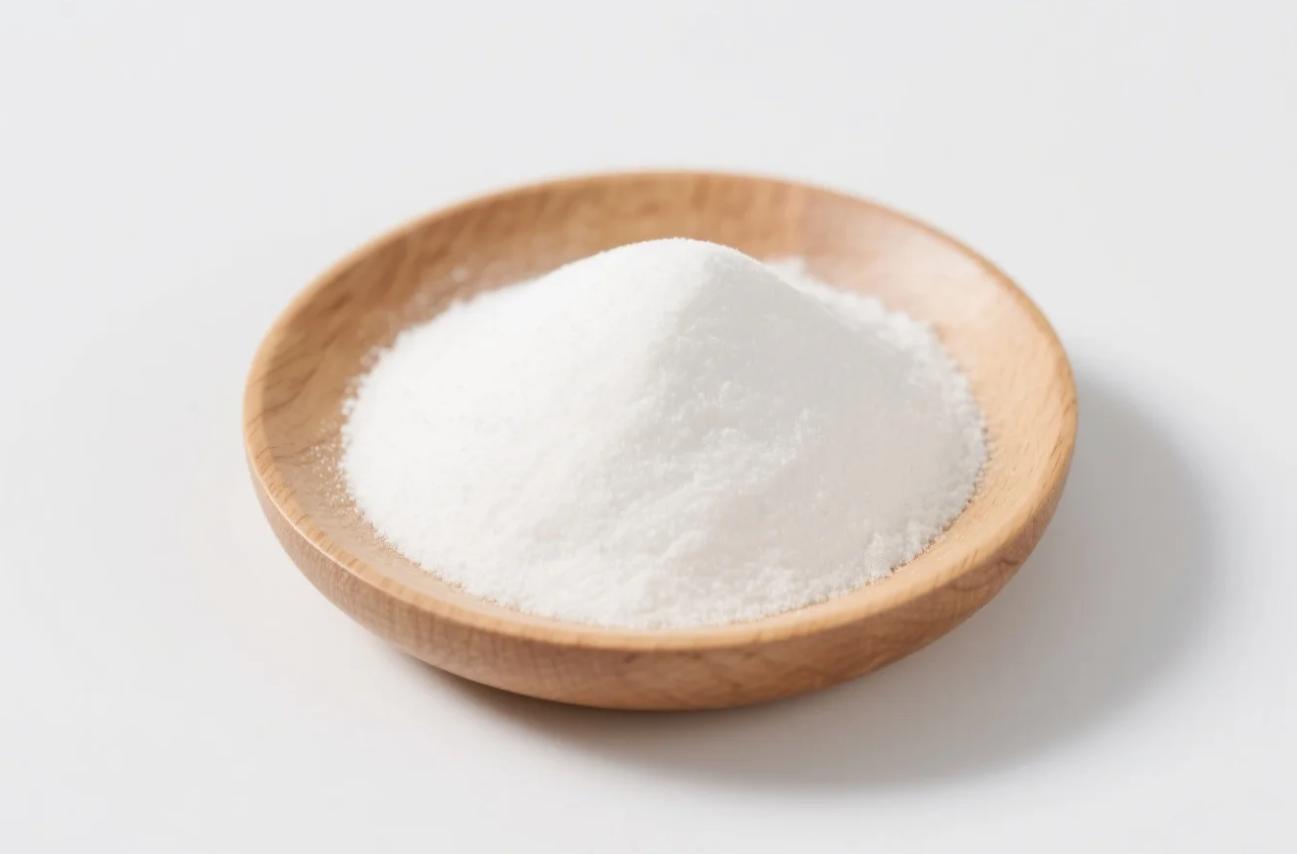
Organic Maltodextrin Powder
Available in three Dextrose Equivalent (DE) grades — DE 8-10, DE 10-15, and DE…