
Table of Contents
Monk fruit has been eaten and brewed in southern China for centuries, and written records of its use stretch back hundreds of years in the mountain counties of Guangxi, where the vine is still cultivated today. The Chinese Pharmacopoeia lists Luo Han Guo as an important medicinal material, traditionally used to soothe the throat, ease dry coughs, and support the lungs and intestines. What was once a regional folk remedy has now become an industrial ingredient with global reach. In modern times, as public health authorities push back against obesity, metabolic syndrome, and type 2 diabetes, food and beverage manufacturers urgently need natural, non-caloric sweeteners that can replace refined sugar without sacrificing taste. That combination of heritage and hard nutritional science explains why monk fruit extract has moved from curiosity to mainstream, and why demand keeps climbing year after year.
Compared to sugar, Monk fruit extract is roughly 150 to 250 times sweeter than edible sugar, yet it contributes essentially zero calories and zero digestible carbohydrates to a finished formula. Because the sweetness is so concentrated, only a few grams are needed to replace a kilogram of sucrose, which changes the economics of a recipe and the nutrition label at the same time. It does not increase blood sugar, it does not feed oral bacteria the way sucrose does, and it carries a natural load of antioxidant compounds that help with weight management and glucose control. For brand owners this means a single ingredient can support several claims at once: reduced sugar, lower calorie, no artificial sweetener, and plant based. For consumers it means the pleasure of sweetness without the metabolic penalty that decades of high-sugar diets have imposed.
According to feedback from the majority of users of monk fruit extract, the taste profile is clean and pleasant, with little or no lingering aftertaste, unlike some other high-intensity sugar substitutes that finish bitter or metallic. The sweet sensation does not come from fructose or glucose at all. It comes from a family of cucurbitane-type triterpene glycosides known as mogrosides, of which mogroside V is the most abundant and the most intensely sweet. Mogrosides are powerful antioxidants and they are metabolised in the body along a completely different route from natural sugars: they are poorly absorbed in the small intestine and are largely broken down by gut microbiota, so they deliver sweet taste without delivering usable energy. That is why, despite the sweetness, there are no meaningful calories and no measurable effect on blood sugar. And the fruit may bring several further benefits to our bodies:
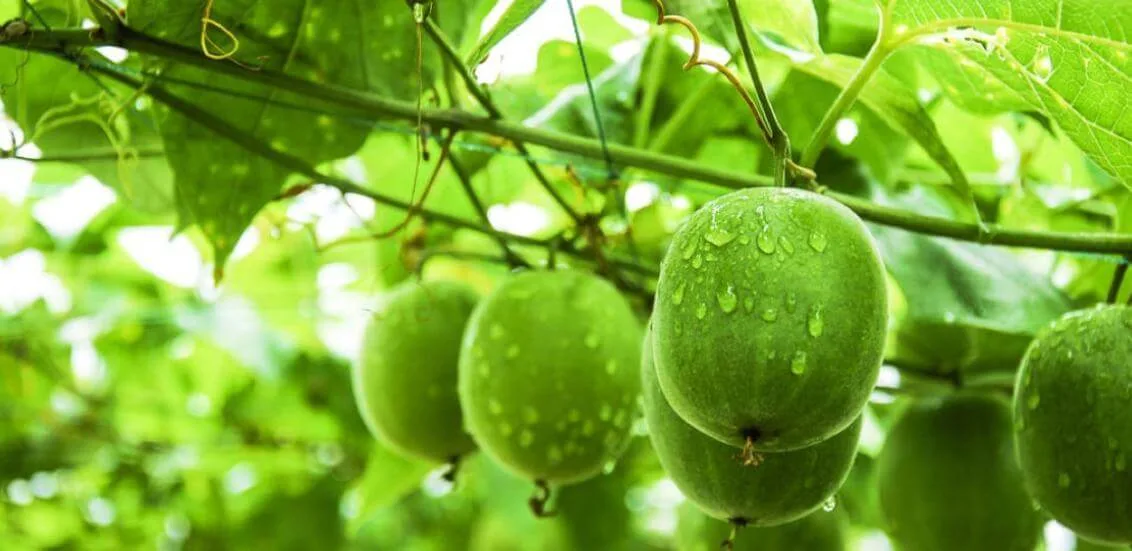
1. Promote weight loss
The headline advantage of monk fruit is simple arithmetic: it delivers sweetness with zero calories, so it does not contribute to the energy surplus that drives weight gain, and it reduces the risk of obesity. Replacing sugar-sweetened beverages, bakery fillings, dairy desserts, and table-top sachets with a monk fruit system removes a meaningful number of discretionary calories from the daily diet without asking consumers to give up the flavour they expect. Research on non-nutritive sweeteners generally shows that when they genuinely displace sugar rather than sit alongside it, total energy intake falls and body weight tends to follow. For product developers the practical point is that monk fruit can be dosed to match the sweetness of the original recipe, so the reformulated product still tastes like a treat. For almost anyone, from children to older adults, monk fruit can replace sugar.
2. Fighting diabetes
For the human body, one of the most destructive elements of the everyday diet is the sheer volume of added sugar consumed without any nutritional return. However, as a naturally derived sweetener, monk fruit is an excellent alternative to both refined sucrose and synthetic artificial sugar. It is considered safe for people managing diabetes because its sweetness source is mogroside rather than a fermentable sugar, so it produces no glycaemic response at all. Laboratory and animal research further suggests that mogrosides may help improve the secretion of insulin in the body, reduce circulating blood sugar levels, and support the tissues that handle glucose, while their antioxidant activity may ease some of the oxidative stress associated with chronically high blood sugar. In practice that makes monk fruit a natural fit for diabetic-friendly beverages, nutritional powders, sugar-free confectionery, and clinical nutrition formats where carbohydrate control is the entire point of the product.
3. Prevent cancer
Diets very high in refined and artificial sugar are repeatedly linked with various cancers, in part because excess sugar promotes chronic low-grade inflammation, insulin resistance, and excess body fat, all of which create an environment in which abnormal cells can thrive. Therefore, reducing the amount of added sugar in your diet by consuming monk fruit instead removes one of the modifiable risk factors that oncologists and dietitians consistently highlight, and can reduce the risk of cancer over time. This is not a claim that any sweetener cures disease; it is the more modest and better supported observation that lowering the total sugar load lowers risk. For a manufacturer, that translates into a credible long-term wellbeing story rather than a short-lived diet fad, which is exactly the kind of positioning that keeps customers loyal for years.
In addition, studies have shown that monk fruits have anti-cancer properties in experimental systems, including the ability to inhibit the growth of skin and breast tumours in cell culture and animal models. Researchers attribute much of this activity to the triterpene glycoside fraction, which appears to interfere with the oxidative signalling pathways that tumour cells depend on for rapid division. These findings come from laboratory work rather than large human trials, so they are best read as promising mechanistic evidence rather than medical proof of treatment. Even so, they help explain why monk fruit continues to attract serious pharmacological attention alongside its commercial success as a sweetener, and why the extract is studied as a bioactive rather than a simple flavour ingredient.
Mogroside can reduce the damage to DNA caused by free radicals by optimising the antioxidant system in the body, raising the activity of protective enzymes such as superoxide dismutase and glutathione peroxidase. A cancer study in mice showed that mogroside V can inhibit the progression of pancreatic cancer cells, and separate laboratory work has reported that mogroside also inhibits the growth of leukemia cells and of throat and colorectal cancer lines. The mechanisms proposed include reduced oxidative stress, interference with cell-cycle progression, and the promotion of programmed cell death in abnormal cells. Taken together, this body of research positions mogrosides as genuinely active compounds in their own right, not merely as passive carriers of a sweet taste, which is why standardised mogroside content matters so much when you buy an extract.
4. Anti-inflammatory and anti-fibrotic properties
Monk fruit mogroside protects the body from the damage to tissues caused by free radicals, neutralising reactive oxygen species before they can injure cell membranes and DNA and so avoiding the main source of inflammation. Because so many chronic conditions begin with inflammation that never fully resolves, the anti-inflammatory properties of monk fruits are very suitable for the prevention of many diseases such as cancer, arthritis, and digestive diseases of the stomach and bowel. Traditional Chinese use already pointed in this direction long before the biochemistry was mapped, because the fruit was brewed precisely for hot, dry, irritated conditions of the throat and chest. Modern extraction simply concentrates the active fraction so that a consistent, measurable dose can be delivered in a beverage, a lozenge, or a daily supplement.
Unlike anti-inflammatory drugs, monk fruit has an excellent safety record and no known side effects at normal food-use levels, which is one reason regulators have been comfortable with it. When used to make hot drinks, it also helps to reduce sputum and soothe a sore throat, which is why herbal tea blends and throat syrups across East Asia have relied on it for generations. In addition, since studies have shown that it can control lung inflammation and limit tissue scar formation, mogrosides can also be used as potential anti-fibrotic compounds. That research line is still developing and needs human confirmation, but it is another reason why respiratory-comfort products, functional teas, and winter wellness formulas frequently list monk fruit as a hero ingredient rather than treating it as a background sweetener.
5. Fighting infections and preventing kidney failure
Due to its natural microbial agents, the monk fruit inhibits the growth of unwanted microbes by providing helpful anti-microbial properties that maintain the correct bacterial balance in the gut. Rather than acting like a broad-spectrum antibiotic that clears everything in its path, the extract appears to be selectively unfavourable to opportunistic organisms while leaving beneficial populations intact and able to recover. This matters because the gut microbiome sits at the centre of digestion, immune regulation, vitamin synthesis, and even mood. A sweetener that does not disturb that ecosystem is fundamentally different from one that does, and it is one of the quieter reasons why formulators who care about digestive wellness reach for monk fruit ahead of the alternatives on the shelf.
For example, artificial sugars and sweeteners are feeding the gut with unfriendly and pathogenic bacteria like Candida albicans, encouraging overgrowth and uncomfortable fermentation, while the sweetness from monk fruit promotes a healthy gut by supporting friendly bacteria such as L. casei, B. bifidum, L. salivarius, and L. acidophilus. Because mogrosides pass largely undigested into the colon, they interact with the resident microbiota rather than bypassing it, and that interaction appears to be constructive rather than disruptive. This makes monk fruit a natural partner for probiotic drinks, prebiotic fibre blends, and gut-health powders, where the sweetener must not quietly undo the benefit that the rest of the formula has been designed to deliver.
Hence, it is effective in suppressing the surge of antibiotic resistance, because a diet that discourages opportunistic infection reduces the number of occasions on which antibiotics are prescribed in the first place. It is also used in the treatment of sore throats and gum diseases in the mouth, where its antibacterial and soothing properties work together and where the absence of fermentable sugar protects tooth enamel at the same time. Also, by inhibiting the chronic sugar overload that damages small blood vessels and strains renal filtration over decades, a monk fruit based diet supports kidney health and helps prevent progression towards kidney failure in people already at risk.
6. Promote Longevity
Monk fruit is also called the longevity fruit, a name that reflects both its traditional reputation and the unusually long, healthy lives recorded in the mountainous districts of Guangxi where the vine has been cultivated for generations. Regular consumption of monk fruit is associated with better ageing, and the mechanism is plausible: the antioxidants in monk fruit can control the inflammation and degeneration of human cells, resist free radicals in the body, protect the human body from inflammatory damage, help it resist infection, support steady and high energy levels, and slow both the visible and the invisible processes of premature aging. None of this makes the fruit a fountain of youth. What it does mean is that swapping a pro-inflammatory ingredient for an antioxidant-rich one is a small daily decision whose effects compound quietly across a lifetime.
7. Promote Heart Health
Mogroside has the ability to protect the cholesterol circulating in the body from oxidative modification, which is the step that turns ordinary LDL into the damaging form that accumulates inside arterial walls. By limiting that oxidation, and by removing the excess sugar and triglyceride load that a high-sucrose diet imposes on the liver, monk fruit is beneficial to cardiovascular function and reduces the risk of heart attack and stroke over the long term. Cardiologists have spent the past decade shifting their attention from dietary fat towards added sugar as a driver of heart disease, so a sweetener that carries no sugar at all fits that revised understanding neatly. Heart-focused beverages, sterol-enriched drinks, and low-glycaemic meal replacements all benefit directly from that alignment.
8. Good for the immune system
The antibacterial properties of monk fruit help maintain the bacterial balance in the intestine and thus help control the body’s immune system, because a very large share of immune tissue is located in and around the gut wall. A stable microbiome trains immune cells to respond proportionately, reacting firmly to genuine pathogens without overreacting to harmless food proteins. In addition, antioxidants protect against the harmful free radicals that cause disease and prevent the DNA damage that otherwise accumulates with age and environmental exposure. For supplement brands this makes monk fruit an attractive sweetener for immune formulas, since it reinforces rather than contradicts the message printed on the front of the pack, and it keeps the finished product free from added sugar.
9. Relieves seasonal allergies (natural antihistamines)
The human body is made up of cells, including mast cells, which mediate the histamine response when our body senses external stimuli from allergens such as pollen or dust, producing the inflammatory reactions of sneezing, itching, and congestion that sufferers know well. The monk fruit acting on those cells has the potential to reduce the allergic response of histamine, apparently by stabilising the cells involved and by damping the oxidative signals that amplify the reaction once it has begun. Therefore, the daily use of monk fruits can reduce the severity of allergy symptoms for some people, working as gentle natural support rather than as a replacement for medication. It is a useful additional reason to feature it in spring and autumn beverage ranges.
10. Provide beneficial vitamins and minerals to the human body
Unlike sugar, which destroys the body by consuming essential vitamins and minerals during its own metabolism while offering nothing but energy in return, monk fruits contain a variety of highly beneficial vitamins and minerals alongside their sweet compounds. Monk fruit provides mogroside IV and related glycoside compounds that help control diabetes and inflammation, and the fresh fruit is a notable source of vitamin C, which can stimulate the production and activity of white blood cells, thereby enhancing the body’s overall immunity. Depending on the extraction route and the degree of purification, a finished commercial extract will retain differing amounts of these secondary constituents, which is one good reason why buyers should always ask a supplier for a full specification instead of assuming that every monk fruit powder is nutritionally identical.
11. Ensure hormonal balance, improve sleep and reduce depression
Drug studies have shown a link between the consumption of artificial sugar and the rewiring of brain reward pathways. This causes hormonal disorders and insomnia and increases the risk of depression by 58%. Excessive artificial sugar can also impair blood flow, which can affect a person’s hormonal balance, and because hormones travel through the bloodstream, poor circulation itself interferes with endocrine signalling. Repeated blood sugar spikes and crashes drive swings in cortisol and insulin that make genuinely restful sleep much harder to achieve. Therefore, the use of monk fruit as a natural sweetener will help keep blood glucose steady through the evening, which ensures hormone balance in the body, improves sleep, and reduces depression. Sugar-free bedtime drinks and relaxation blends are an obvious application for exactly this reason.

In short, the health benefits of monk fruit include helping to prevent cancer, promoting weight loss, fighting diabetes, prolonging life, promoting heart health, benefiting the immune system, relieving seasonal allergies, ensuring hormonal balance, improving sleep, reducing depression, and fighting infection. It is the first choice among natural sweeteners for those who want to prevent the failure of kidney disease driven by sugar overload while providing beneficial vitamins and minerals to the human body. For a business buyer, the practical value of that long list is that one ingredient can carry many different marketing platforms, from sports nutrition to paediatric drinks to sugar-free chocolate, without forcing a change of sweetener from one product line to the next.
It was approved by the US Food and Drug Administration (FDA) as a sweetener in 2010 under the GRAS framework, and it is now accepted in a growing number of other markets, although buyers should always confirm the current regulatory status and permitted use levels in their own destination country before a launch. One can add it to diet and drinks at home, and industrially it performs well in beverages, dairy, bakery, tabletop blends, and nutritional powders. Because mogroside V is many times sweeter than sucrose, the extract is normally supplied standardised to a defined mogroside V percentage and blended with a bulking agent such as erythritol, inulin, or organic fibre so that sweetness can be dosed accurately. As the health benefits of monk fruit become more and more obvious, you can see it in more places and formulas every year.
If you want your chocolates and desserts not only to bring sweetness to people but also to bring more health, please add monk fruit instead of artificial sugar in your products. When you source it, look for organic certification covering both the plantation and the extraction plant, a clear certificate of analysis stating mogroside V content, heavy metals, pesticide residues, and microbiology, plus documented traceability back to the growing region in Guangxi where the fruit is harvested. Ask about the solvent system used, batch-to-batch consistency of the sweetness profile, and the supplier’s ability to hold specification across a full season, because harvest variation is real. Request samples for bench trials early, since a sweetener swap changes mouthfeel and browning as well as taste. More sweetness and more health, delivered through a supply chain you can verify, can make you and your customers happier.
Related Posts


