
Table of Contents
As clean label and organic product lines continue to expand, food and beverage manufacturers face increasing pressure to deliver both transparency and performance. Ingredients must not only meet regulatory and consumer expectations but also function reliably across diverse applications. Organic maltodextrin has become a widely adopted solution for manufacturers seeking formulation flexibility, processing efficiency, and organic compliance.
Understanding how to use organic maltodextrin effectively is essential for product developers, purchasing managers, and contract manufacturers alike. When applied correctly, it can enhance texture, stability, and consistency without compromising clean label positioning.
Why Organic Maltodextrin Fits Clean Label Strategies
Organic maltodextrin is produced from certified organic starch sources and processed according to organic standards, making it suitable for use in USDA Organic and EU Organic formulations when properly certified. Compared to alternative carriers or bulking agents, it offers a familiar ingredient name, neutral sensory profile, and broad functional range.
For clean label brands, this balance is critical. Organic maltodextrin allows manufacturers to simplify ingredient lists while maintaining performance, helping brands meet consumer expectations for both quality and transparency.
How-To: Practical Ways to Use Organic Maltodextrin in Formulations
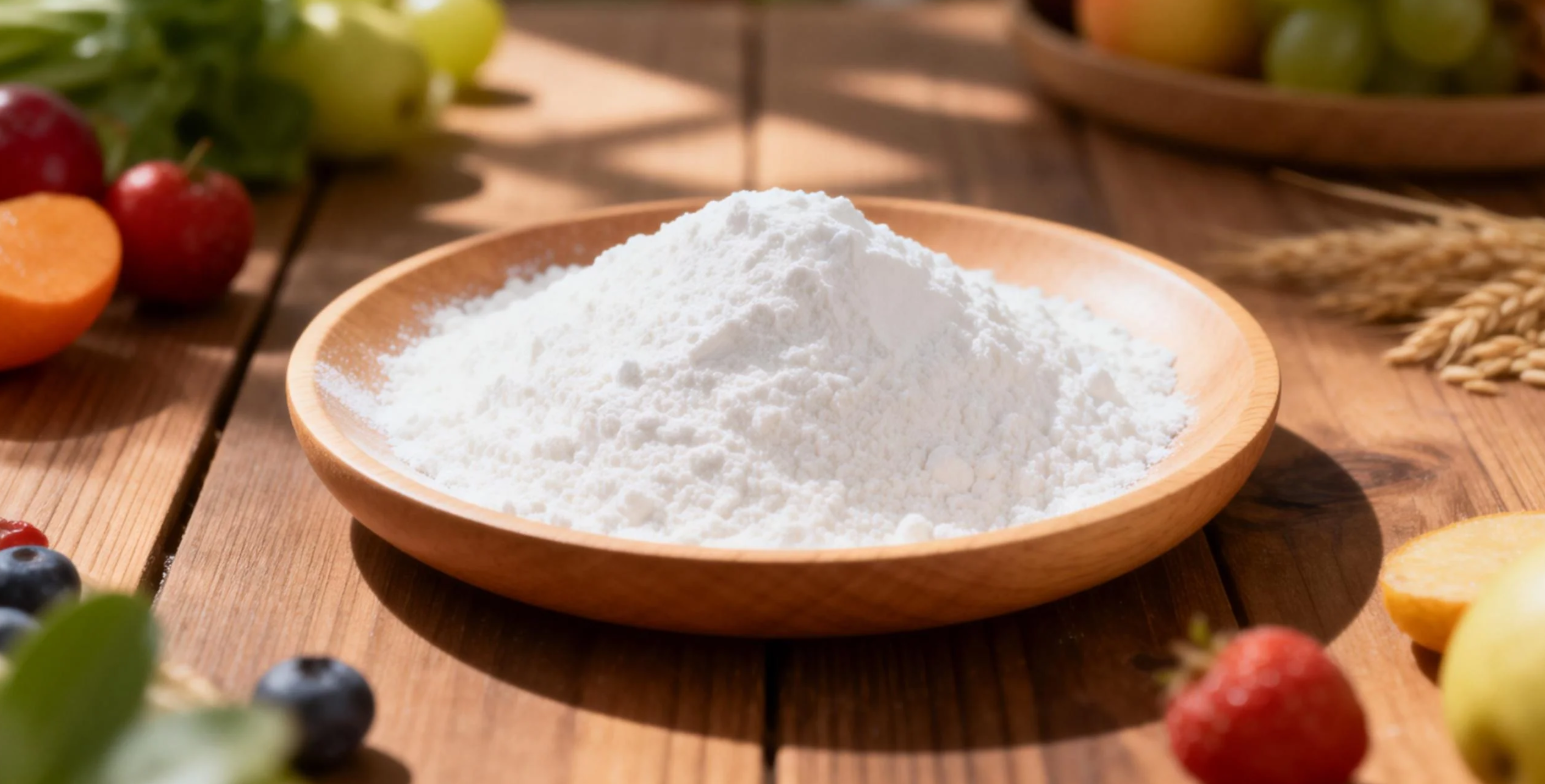
Practical Ways to Use Organic Maltodextrin in Formulations
Step 1: Select the Appropriate DE Range
Organic maltodextrin is available in different dextrose equivalent (DE) ranges, which influence sweetness, solubility, and viscosity. Lower DE grades provide more body and less sweetness, while higher DE grades dissolve faster and contribute slightly more sweetness. Selecting the correct DE range ensures optimal texture and processing behavior for your specific application.
Step 2: Define Its Functional Role
Before formulation, clearly identify the role organic maltodextrin will play. Common functions include carrier for flavors or actives, bulking agent in reduced-sugar recipes, flow aid in powdered systems, or texture enhancer in liquid and semi-solid products. Defining this role helps avoid overuse and supports cost efficiency.
Step 3: Optimize Usage Levels
Typical usage levels vary by application. In powdered beverage mixes or nutritional blends, organic maltodextrin may serve as a base component. In bakery or confectionery systems, it is often used at lower inclusion rates to support texture and stability. Pilot trials are recommended to fine-tune dosage and ensure sensory balance.
Step 4: Validate Processing Compatibility
Organic maltodextrin performs well under heat, shear, and pH variation, but validation during scale-up is essential. Confirm solubility, mixing behavior, and interaction with other ingredients to ensure consistent results in full-scale production.
Step 5: Confirm Certification and Documentation
Always ensure your supplier provides up-to-date organic certificates, specifications, and traceability documents. This step is critical for audit readiness and long-term supply chain security.
Applications Where Organic Maltodextrin Performs Best
Organic maltodextrin is commonly used in protein powders, meal replacements, instant beverages, bakery premixes, confectionery, sauces, and flavor systems. Its neutral taste and high solubility make it especially suitable for formulations where ingredient interaction and reconstitution quality are key success factors.
For B2B manufacturers managing multiple SKUs, organic maltodextrin offers a standardized solution that can be applied across product lines, simplifying procurement and formulation management.
FAQ: Organic Maltodextrin for Food Manufacturers
Is organic maltodextrin considered clean label?
Yes, when sourced from certified organic raw materials and produced under compliant processes, organic maltodextrin fits clean label and organic product positioning in many markets.
Does organic maltodextrin add sweetness?
Organic maltodextrin has low sweetness compared to sugars. Sweetness level depends on the DE range selected, but it is generally used for functionality rather than flavor impact.
Can organic maltodextrin replace sugar in formulations?
It can partially replace sugar by providing bulk and texture, especially in reduced-sugar formulations, but it does not provide the same sweetness intensity as sucrose.
Is organic maltodextrin suitable for export products?
Yes. Its stability, long shelf life, and compatibility with major organic standards make it suitable for export-oriented food and nutrition products.
What should buyers look for when sourcing organic maltodextrin?
Key considerations include certification validity, DE range availability, batch consistency, supply stability, and technical support from the supplier.
A Practical Ingredient for Scalable Clean Label Growth
Organic maltodextrin is more than a functional additive—it is a practical tool for clean label product development and scalable manufacturing. When used strategically, it enhances formulation performance, supports organic certification, and simplifies production processes.
For manufacturers and brand owners seeking reliable ingredients that align with modern market expectations, organic maltodextrin remains a proven and versatile choice.
Related Products
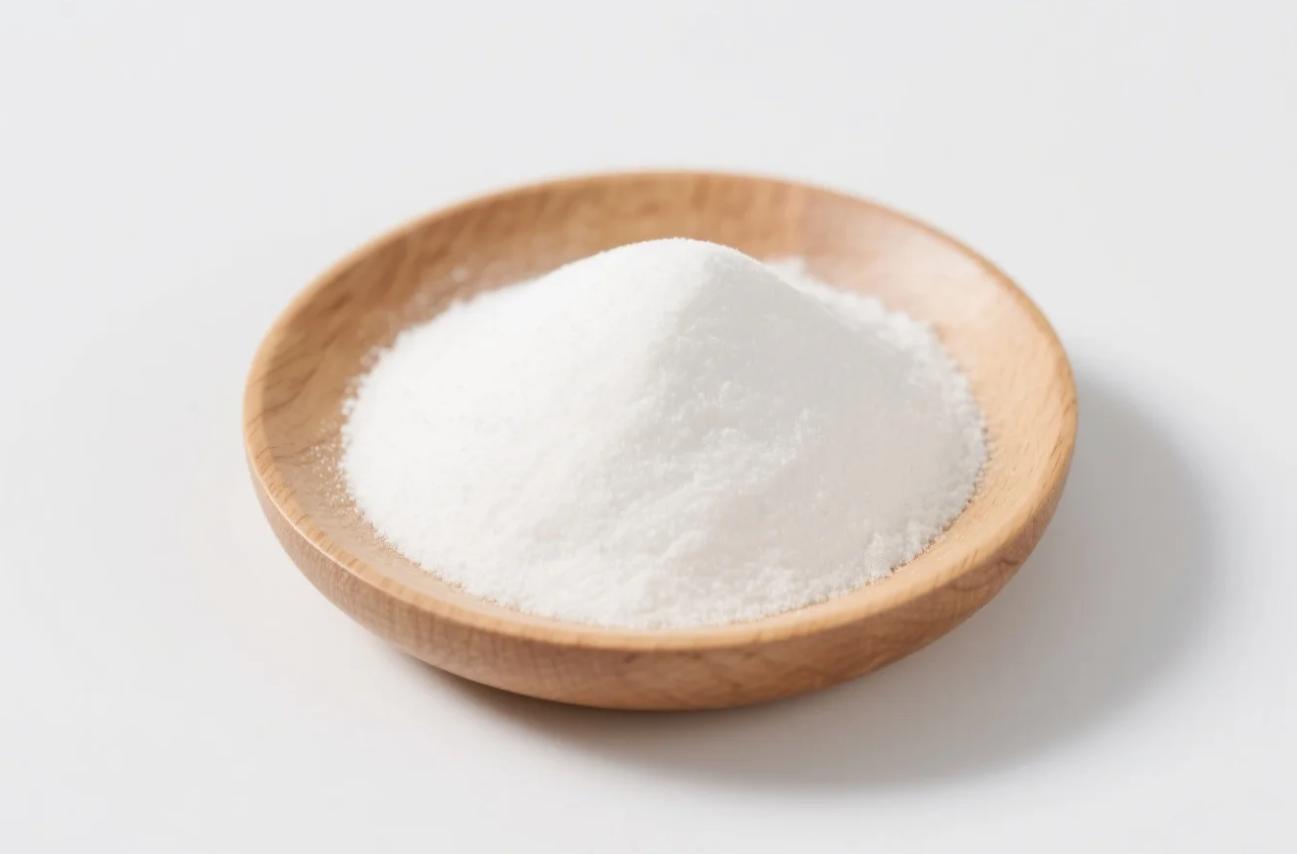
Organic Maltodextrin Powder
Available in three Dextrose Equivalent (DE) grades — DE 8-10, DE 10-15,…