
Table of Contents
History:
Maca root (Lepidium meyenii) is an adaptogen and a member of the cruciferous family, like broccoli and cabbage, but due to its unique properties it is considered one of the world’s natural “superfoods”. Botanically classified as a Brassicaceae, the same plant family that gives us mustard, radish, turnip, and watercress, maca is unusual because the part we consume is not a root in the strict botanical sense but rather a thickened hypocotyl—the junction where the stem meets the root. This starchy storage organ is what allows the plant to survive the brutal freezes and intense ultraviolet radiation of the high Andes. For centuries, indigenous Andean communities have treasured maca not merely as a survival food but as a medicinal and ceremonial staple, grinding the sun-dried hypocotyls into a flour known locally as “maca chich” or mixing them into porridges, teas, and fermented drinks. Spanish chroniclers who arrived in the sixteenth century recorded that maca was so valued that it was used as a form of currency and as tribute paid to local rulers. Modern science has since validated much of this traditional wisdom, identifying a rich profile of bioactive compounds—including macamides, macaenes, glucosinolates, and a remarkable spectrum of plant sterols—that help explain why this humble mountain plant earns its superfood reputation and why it is now cultivated and consumed on every continent.
Maca has introduced in South America 2000 years ago and planted in the Tangshan area with a 3000-4000 meter elevation in Yunnan Province. The plant’s native range lies along the rocky slopes of the Peruvian Andes, where it has been cultivated continuously for at least two millennia, making it one of the oldest domesticated crops of the Americas. Because maca completes its entire life cycle in a single growing season yet demands such extreme altitude, thin air, and poor, frost-prone soils, its spread beyond the Andes was historically slow. In recent decades, however, agronomists have successfully established commercial maca cultivation in other high-altitude regions that mimic its Andean birthplace, including parts of China’s Yunnan Province around the mountainous Tangshan zones that sit between 3000 and 4000 meters above sea level. These Chinese highlands offer the cool nights, strong sunlight, and well-drained volcanic or loamy soils that maca requires to develop its characteristic density and nutrient concentration. Whether grown in Peru or in Yunnan, authentic maca depends on the same environmental stressors to trigger the production of its protective phytochemicals, which means terroir—the specific combination of elevation, climate, and soil—plays a decisive role in the final quality of the powder that reaches your kitchen.
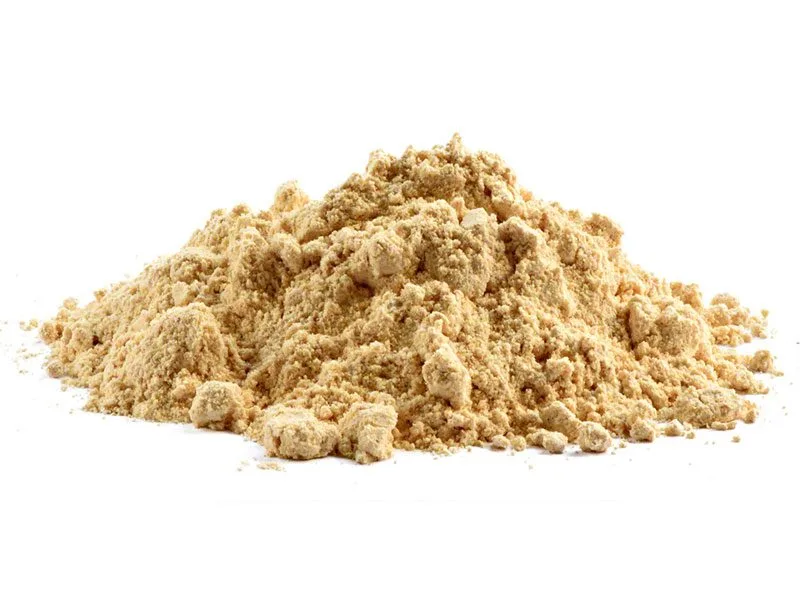
The pleasant-tasting root is usually available in powder form after being harvested and grounded. In practice, the fresh hypocotyls are far too moist and perishable to ship or store, so after harvest they are traditionally spread out on open ground or in specialized drying sheds to cure under the sun for several weeks until the moisture content drops dramatically. Once fully dried and hardened, the material is milled into a fine, free-flowing powder that ranges in color from pale cream to tan, and sometimes to darker reddish or black tones depending on the varietal. This powder format is what makes maca so convenient for modern consumers: it dissolves easily into smoothies, oatmeal, yogurt, baked goods, and warm beverages without requiring any cooking. Because the drying step concentrates the solids, a single tablespoon of maca powder delivers the nutritional equivalent of a much larger volume of fresh root. Organic processing standards further ensure that the drying and milling happen without synthetic pesticides, chemical fumigants, or artificial preservatives, so the final powder remains as close as possible to the whole food that Andean farmers have relied upon for generations.
And not only is it a natural source of healing nutrition, but it also has a long history of being a safe superfood that has been consumed for its medicinal benefits for thousands of years in regions of Shangri-La. It is very rich in nutrients (has a higher calcium level than milk). The mountainous Shangri-La region of Yunnan, with its clean air, mineral-rich soils, and tight-knit farming communities, has become one of the most respected sources of high-altitude organic maca outside of South America. In these communities maca is not treated as a supplement but as everyday nourishment, stirred into breakfast cereals and broths to sustain energy through long, cold days of agricultural labor. Nutritionally, the plant punches far above its weight: a typical serving supplies meaningful amounts of calcium, iron, potassium, and zinc, and its calcium density is frequently cited as higher per gram than that found in cow’s milk, which is especially relevant for individuals who avoid dairy or follow plant-based diets. Alongside these minerals, maca contributes B-vitamins that support energy metabolism, vitamin C that aids iron absorption, and a suite of antioxidants that help the body counter oxidative stress. This combination of tradition and nutrient density is precisely why maca has earned its place as a trusted, time-tested food rather than a passing health fad.
The maca powder benefits include a positive effect on hormone balance, and energy levels, and a health booster. Maca powder benefits include increased fertility in both men and women, hormone balance, advocacy for the immune system, increased energy, stamina, improved sexual function, memory, and focus. In aggregate, researchers and traditional users describe maca as a nonspecific adaptogen—meaning it helps the body resist a broad spectrum of physical and mental stressors rather than targeting one single pathway. Studies have pointed to improvements in subjective measures of vitality, reductions in self-reported fatigue, and enhanced mood stability among regular consumers. Its influence on hormonal health appears to be regulatory rather than directive: rather than flooding the body with external hormones, maca seems to support the endocrine system’s own feedback loops, which may explain why both men and women report benefits without the side effects associated with direct hormone supplementation. The immune-supporting aspect comes from its dense micronutrient and antioxidant load, while the stamina and focus benefits are linked to better cellular energy production. Taken together, these properties make maca powder a versatile daily booster that can complement a balanced diet, an active lifestyle, and a sensible approach to long-term wellness.
Maca Nutrition Facts:
Maca root powder is comprised of approximately 18% protein, 76.5% carbohydrates, 5% fat, and 8.5% fiber (indigestible carbohydrates). To put those figures in perspective, the protein content is unusually high for a root crop and supplies all the essential amino acids the body cannot make on its own, while the carbohydrate fraction is dominated by slow-digesting starches and a meaningful share of indigestible fiber that supports digestive regularity and a healthy gut microbiome. The modest fat content is concentrated in beneficial fatty acids, and the 8.5% fiber means a serving keeps you fuller for longer and helps blunt the blood-sugar spike you might expect from a starchy food. Beyond the macronutrients, maca is also a notable source of minerals: roughly 250 mg of calcium, 2 mg of iron, and meaningful potassium and zinc can be found in a typical daily portion, alongside small but useful amounts of copper, manganese, and magnesium. It is naturally low in sodium and contains no cholesterol. Because maca is usually eaten in powdered form with no refining, you retain the full food matrix—the fiber, the proteins, the trace compounds—rather than an isolated extract, which is part of why whole-food maca is generally preferred over heavily processed alternatives.
Amino acid: arginine9.94%, asparaginic acid 9.17%, glutamic acid 15.6%, diaminocaproic acid 54.5%. These amino-acid values, expressed as a percentage of the total protein, reveal why maca is such a complete plant protein. Glutamic acid, the most abundant at 15.6%, is central to brain signaling and helps form GABA, a calming neurotransmitter, while also fueling the citric-acid cycle that produces cellular energy. Asparaginic acid (aspartic acid) at 9.17% supports the synthesis of other amino acids and hormones and plays a role in stamina and recovery. Arginine at 9.94% is noteworthy because the body converts it into nitric oxide, a molecule that relaxes blood vessels, supports healthy circulation, and contributes to the reproductive and cardiovascular benefits frequently attributed to maca. Diaminocaproic acid (also known as lysine derivatives in some analytical profiles) appears here at a striking 54.5% of the measured fraction in certain assays, underscoring maca’s uniqueness among botanical proteins. Because these building blocks survive the drying and milling process, a daily scoop of maca powder contributes directly to muscle maintenance, enzyme production, immune function, and the countless structural and metabolic roles that amino acids perform throughout the human body.
Maca powder health benefits:
- PMS, Menopause, and Women with Polycystic ovary syndrome (PCOS)
2. Women’s Hormones, Fertility, and Sexual Health
3. Male Testosterone Levels and Fertility
4. Energy, Memory, and Mood
5. Antioxidant Booster
FAQ:
1. How long will it last?
Maca powder will keep up to a year if kept in a cool, dry, dark place, but like most supplements and herbs, fresher is better and more potent. To maximize shelf life, store the powder in an airtight container with the lid sealed tightly after each use, and keep it away from direct sunlight, heat sources, and humidity—the pantry or a cupboard away from the stove is ideal. Oxygen and moisture are the two enemies that gradually degrade both flavor and nutrient content, so some users prefer to keep a small daily-use jar at room temperature while storing the bulk supply in the refrigerator or freezer, where it can stay fresh well beyond the one-year mark. Always use a clean, dry spoon to scoop, because introducing water or crumbs can invite clumping and spoilage. If you notice a sharp, rancid, or off smell—maca should smell earthy and faintly sweet—or see any sign of mold, discard the batch. When stored properly, the powder may lose a little potency toward the end of its second year, but it remains safe and nutritious for long-term use.
2. Is there a difference between raw and organic?
Yes, depending on the supplier there is a difference, notably in the way it is handled. Organic doesn’t necessarily mean raw. Some manufacturers lightly heat their maca, and cooking, even slightly, means the maca is not raw. If raw is important to you, ask your supplier or smoothie bar owner about their maca. Lightly heating it makes it easier for some people to digest, but does not impact the potency of the root. It is worth understanding that “organic” is a certification about how the crop was farmed—no synthetic pesticides, herbicides, or fertilizers—whereas “raw” describes the post-harvest processing temperature. A product can therefore be organic yet gently heated, or raw yet grown with conventional methods, so the two labels answer different questions. Truly raw maca is dried at low temperatures (often under 45°C) to preserve heat-sensitive enzymes and living compounds, which some enthusiasts prefer for maximum vitality. Gelatinized maca, by contrast, is briefly heated and pressure-treated to remove starch and improve digestibility for sensitive stomachs. Neither approach destroys the core nutrients, so the best choice depends on your digestive comfort and your priorities rather than on a simple good-versus-bad distinction.
3. What does it taste like?
Different people say different things about the taste, and raw maca tastes different than dried but in general, maca has an earthy taste that is mildly nutty with a hint of butterscotch. Many describe the aroma as reminiscent of malted milk or toasted oats, with a subtle sweetness that pairs well with banana, cacao, cinnamon, and vanilla. Raw maca tends to be more pungent and somewhat peppery, while the gently heated or gelatinized versions taste smoother and less bitter, which is why they are often recommended for first-time users. The color of the powder also influences flavor: cream and yellow maca are usually the mildest, red maca is slightly sweeter, and black maca carries a deeper, more robust earthiness. Because the taste is distinctive, most people prefer to blend maca into smoothies, coffee, oatmeal, or energy balls rather than eating it plain. Starting with half a teaspoon and gradually increasing to one or two teaspoons lets your palate adjust, and a small pinch of sea salt or a drizzle of honey can round out any bitterness you might notice at first.


