Table of Contents
What is Xylooligosaccharides?
Xylooligosaccharides represents the most potent class of commercially available prebiotic fibers on a dose-per-gram basis. Unlike broad-spectrum fermentable fibers that feed a wide range of gut bacteria (including potentially undesirable species), XOS is selectively metabolized by bifidobacteria — the genus most strongly associated with gut health outcomes including immune function, barrier integrity, and mental wellness via the gut-brain axis. This selectivity is not a marketing claim but a structurally determined biochemical fact: XOS’s beta-1,4 xylose backbone is an optimal substrate for bifidobacterial glycoside hydrolases, while being poorly utilized by most other intestinal microorganisms.
The practical consequence of this selectivity is dose efficiency. While FOS requires 5-10 g per day to produce measurable bifidogenic effects (with associated gastrointestinal discomfort from non-selective fermentation), XOS achieves equivalent or superior bifidogenic outcomes at only 0.7-1.4 g per day. This five-fold potency advantage means smaller serving sizes, lower ingredient costs per effective dose, minimal gastrointestinal side effects, and significantly better consumer compliance — particularly for sensitive populations such as infants and the elderly where even modest fiber-related discomfort is a formulation concern.
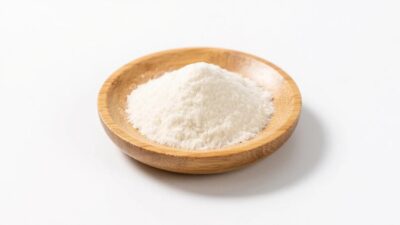
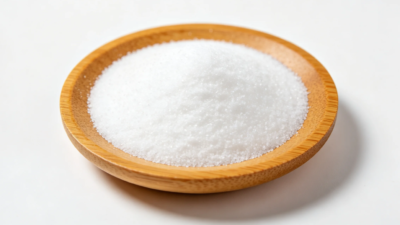
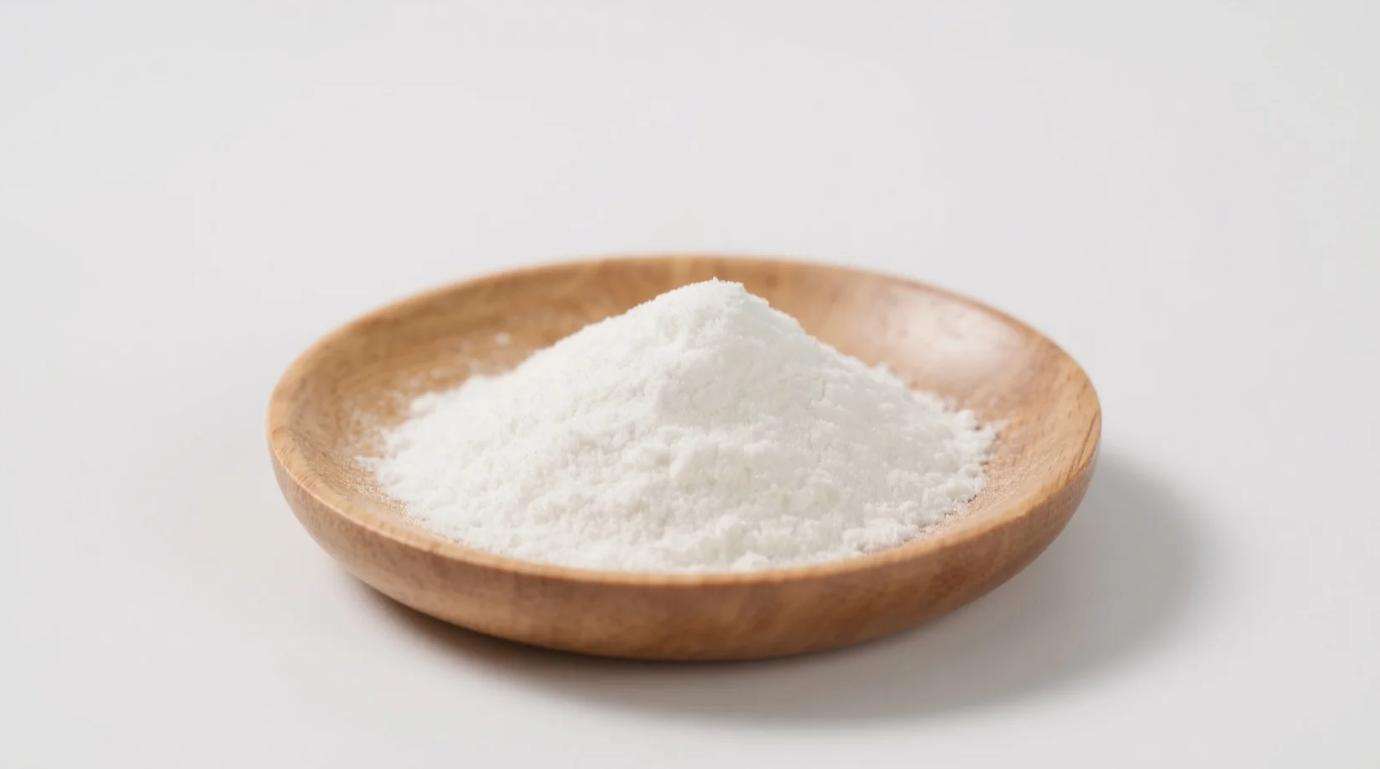
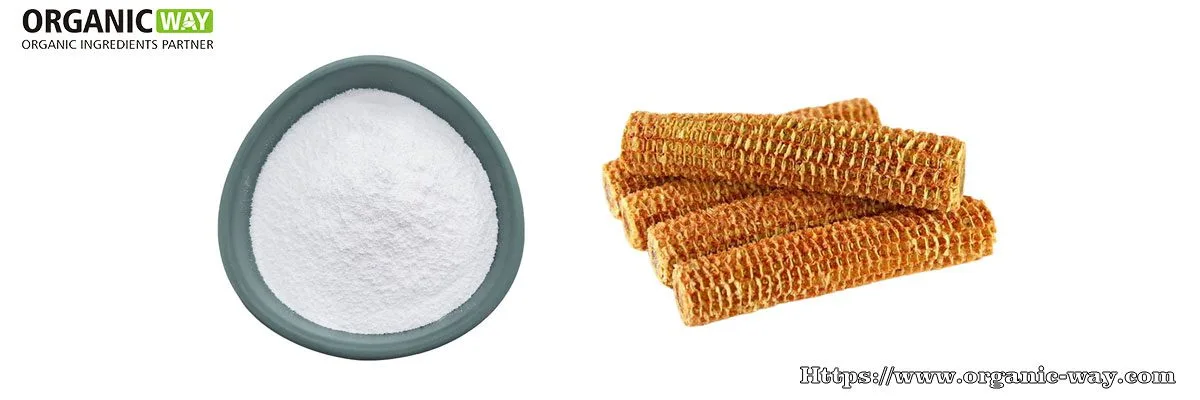
ORGANICWAY supplies XOS in two physical formats. XOS Powder is a fine granular free-flowing powder with a purity range of 70-95%, neutral flavor with a slight sweetness, excellent water solubility, and a shelf life of 24 months. It is the preferred format for capsule and tablet supplements, dry-mix sachets, and powdered meal replacements where precise dosing and low moisture content are required. XOS Syrup delivers 35-70% XOS on a dry basis in a transparent viscous liquid form, immediately miscible in cold and warm liquids, with mild sweetness and superior stability in liquid delivery systems including Greek yogurt, kombucha, functional waters, and acidic juice beverages. The syrup’s stability across pH 2.5-8.0 means it survives the acidic environment of fruit juices and fermented beverages without degradation, a significant advantage over pH-sensitive prebiotics such as FOS.
The mineral absorption benefit is an additional XOS differentiator. Research demonstrates that XOS fermentation in the colon lowers colonic pH through short-chain fatty acid production, which in turn increases the solubility and passive absorption of calcium and magnesium — making XOS particularly relevant for bone health formulations targeting postmenopausal women, adolescents, and older adults.
PHYSICAL & CHEMICAL SPECIFICATIONS
Product Specifications
| Parameter | XOS Powder | XOS Syrup |
|---|---|---|
| Appearance | Fine granular free-flowing powder | Transparent viscous liquid |
| Source | Corn cobs | Corn cobs |
| XOS Content | 70-95% | 35-70% (dry basis) |
| Moisture | ≤5.0% | Higher (liquid) |
| Solubility | Highly water soluble | Immediately miscible |
| Flavor | Neutral, slight sweetness | Light, mildly sweet |
| pH Stability | Stable at pH 2.5-8.0 | Stable at pH 2.5-8.0 |
| Heat Stability | Stable up to 120C | Stable up to 120C |
| Caloric Value | ~1.5-2.0 kcal/g | ~1.5-2.0 kcal/g |
| Shelf Life | 24 months | 12 months |
Application Matrix
| Application | Powder | Syrup | Notes |
|---|---|---|---|
| Capsule and tablet supplements | Recommended | Not suitable | Precise low-dose metering |
| Dry-mix sachets | Recommended | Not suitable | Powder form required |
| Greek yogurt and dairy | Available | Excellent | Syrup disperses without texture disruption |
| Functional beverages | Available | Excellent | pH 2.5 stable in acidic drinks |
| Kombucha and fermented drinks | Available | Excellent | Survives fermentation environment |
| Fruit juices | Available | Excellent | No degradation in acidic pH |
| Powdered meal replacements | Recommended | Not suitable | Dry-phase ingredient |
| Bone health formulations | Excellent | Available | Calcium/magnesium absorption synergy |
| Infant and elderly nutrition | Excellent | Available | Gentle low-dose efficacy |
MICROBIOLOGICAL & CONTAMINANT STANDARDS
| Test | Specification |
|---|---|
| Total Plate Count | ≤10,000 cfu/g |
| Yeast & Mold | ≤100 cfu/g |
| E. coli | Negative / g |
| Salmonella | Negative / 25g |
| Heavy Metals (Pb) | ≤1.0 mg/kg |
| Arsenic | ≤0.5 mg/kg |
| Residues | Below EU ML / USDA-NOP limits |
| Gluten | <20 ppm |
All batches tested and released against specifications. CofA available with every shipment.
CERTIFICATIONS
| Certification | Status |
|---|---|
| Non-GMO Project Verified | Yes |
| Kosher | Yes |
| Halal | Yes |
| FSSC 22000 | Yes |
| Vegan | Yes |
| Gluten-Free | Yes |
APPLICATIONS & FORMULATION TIPS
Key Functional Benefits
XOS’s three most significant formulation advantages are dose potency, bifidobacteria selectivity, and processing stability. The dose potency advantage — five times more effective than FOS at 0.7-1.4 g/day — directly translates into lower ingredient usage, smaller serving sizes, and better consumer economics. The bifidobacteria selectivity is clinically relevant: bifidobacteria are among the most well-evidenced gut health biomarkers, associated with reduced infection risk, improved vaccine response, reduced allergy incidence in infants, and improved mood and cognitive markers via the gut-brain axis. Unlike FOS, which ferments broadly across the gut microbiota and produces gas and discomfort as a byproduct, XOS’s selective fermentation profile minimizes gastrointestinal side effects even at effective doses — a critical compliance factor for daily-use supplements and functional foods.
Formulation Guidance
The 0.7-1.4 g/day effective dose range means that XOS is particularly suited to capsule and tablet formats where small doses are naturally accommodated — the powder’s low bulk at effective doses leaves ample space in a standard capsule for additional ingredients such as probiotic strains, vitamins, or herbal extracts. For synbiotic formulations, XOS’s natural complementarity with bifidobacterial probiotic strains (particularly Bifidobacterium infantis, B. longum, and B. adolescentis) creates a synergistic combination that outperforms either ingredient alone in clinical outcomes. For bone health applications, combining XOS with calcium and vitamin D3 creates a three-way synergy: XOS improves mineral absorption in the colon, vitamin D3 enhances calcium transport in the small intestine, and the SCFA produced by XOS fermentation further mobilizes calcium for bone mineralization.
FAQ
Q: Why choose XOS over FOS (fructooligosaccharides)?
A: XOS and FOS are both prebiotic fibers, but they differ substantially in potency, selectivity, and stability. XOS is approximately five times more potent than FOS by weight — achieving equivalent bifidogenic effects at 0.7-1.4 g/day versus FOS’s 5-10 g/day — which means smaller serving sizes, lower ingredient costs per effective dose, and significantly reduced gastrointestinal discomfort (FOS’s non-selective fermentation produces gas and bloating at effective doses; XOS’s selective fermentation by bifidobacteria does not). XOS is also stable across a wider pH range (pH 2.5-8.0) and higher temperatures (up to 120C) compared to FOS, which degrades more readily in acidic beverages and high-heat processing. The practical consequence is that XOS works in a broader range of applications — including acidic juices, fermented beverages, and baked goods — while FOS is more limited.
Q: Is XOS classified as a soluble dietary fiber for labeling purposes?
A: Yes. XOS is generally classified and labeled as a soluble dietary fiber in most regulatory jurisdictions, including the United States (FDA), European Union (EFSA), and China (GB standards). It is typically declared as “xylooligosaccharide,” “XOS,” or “soluble dietary fiber” on Nutrition Facts and supplement facts panels. The specific labeling format varies by market; CofA and specifications sheets are provided to support accurate label declarations.
Q: Does XOS support mineral absorption, and how?
A: Yes. Research demonstrates that XOS fermentation in the colon produces short-chain fatty acids (primarily acetate, propionate, and butyrate), which lower colonic pH. This more acidic environment increases the solubility of calcium and magnesium salts, facilitating their passive absorption across the colonic mucosa. Multiple human clinical studies have shown improved calcium and magnesium balance with XOS supplementation, particularly relevant for bone health formulations targeting populations at risk of mineral deficiency: postmenopausal women, adolescents during growth phases, and older adults.
Q: What is the difference between the powder and syrup formats beyond physical form?
A: The primary compositional difference is XOS concentration: the powder delivers 70-95% XOS purity, while the syrup delivers 35-70% XOS on a dry basis, with the balance being water and trace constituents. For applications requiring precise low-dose delivery of XOS (capsules, tablets, dry sachets), the powder’s higher purity and dry form are essential. For liquid applications (beverages, yogurt, fermented drinks), the syrup’s immediate miscibility and pH stability across 2.5-8.0 are the decisive advantages. Both formats share identical prebiotic efficacy, identical heat stability (120C), identical bifidogenic selectivity, and identical certifications.
Q: Is XOS suitable for infant and elderly nutrition formulations?
A: Yes. XOS’s high safety profile, gentle low-dose efficacy (0.7-1.4 g/day), and minimal gastrointestinal side effects make it particularly suitable for age-specific nutrition products. In infant formulas and toddler supplements, XOS supports the development of a bifidobacterium-dominant gut microbiota, which is the hallmark of healthy infant gut colonization. In elderly nutrition, XOS addresses the age-related decline in bifidobacteria populations, supports immune function (which is gut microbiota-dependent in older adults), and improves mineral absorption to counteract osteoporosis risk. Both applications are supported by published clinical evidence.
Q: What is the minimum order quantity and lead time?
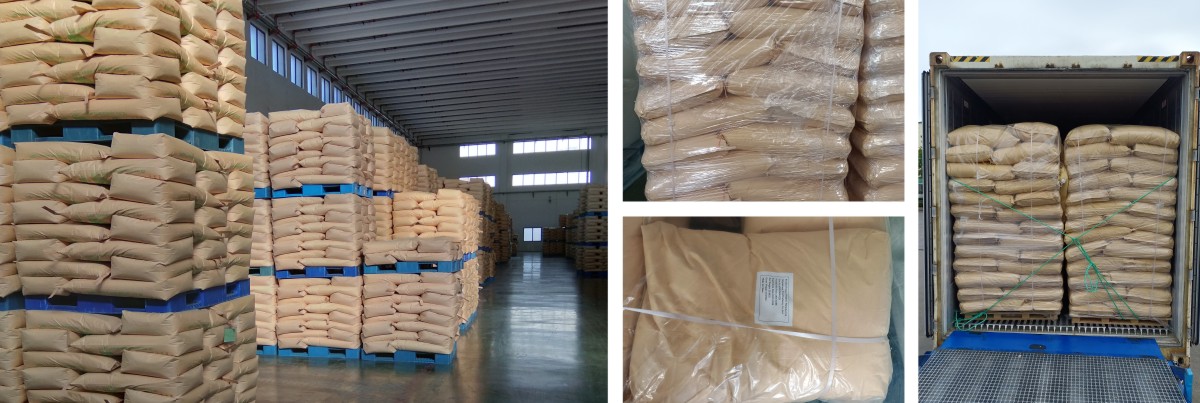
A: 1 kg free sample with full CofA is available for qualifying buyers (FEDEX/UPS/EMS). Commercial orders start at 25 kg. Private label orders require 100 kg minimum. Lead time: 10–20 working days from order confirmation. Standard packaging: 25 kg kraft paper bags (powder); custom packaging available for syrup. Available incoterms: DAP, DDP, FOB Qingdao or Tianjin. Acceptable payment terms: T/T, L/C, D/P, D/A.
PACKAGING & STORAGE
Packaging
| Format | Standard Packaging | Custom Options |
|---|---|---|
| XOS Powder | 25 kg kraft paper bags | 5 / 10 / 20 kg bags; fiber drums; IBC super sacks |
| XOS Syrup | Custom packaging available | Drums; IBC totes; branded packaging for private label |
Storage Conditions
| Parameter | Powder | Syrup |
|---|---|---|
| Temperature | Cool, dry place | Cool, dry place; avoid temperature fluctuations |
| Humidity | <60% RH | <65% RH |
| Light | Avoid direct sunlight | Avoid direct sunlight |
| Odor | Store away from strong odors | Store away from strong odors |
| Shelf Life (sealed) | 24 months | 12 months |
| Color Stability | Stable | Avoid prolonged exposure to heat to prevent color change |