
Table of Contents
Mangoes, often celebrated as the “king of fruits,” have earned their royal reputation through a rare combination of lush tropical sweetness, fragrant aroma, and an impressive concentration of vitamins, minerals, and protective plant compounds. For centuries, households across South Asia, Latin America, and Africa have relied on the fresh fruit as both a dietary staple and a culinary accent. Yet fresh mangoes present real challenges for modern food businesses: they are highly perishable, strictly seasonal, bulky to ship, labor-intensive to peel and dice, and inconsistent in sweetness from one harvest to the next. This is precisely where organic mango powder and organic mango juice powder step in as versatile, shelf-stable heroes. By removing water while preserving flavor, color, and nutrition, these ingredients deliver the unmistakable character of ripe mango in a format that warehouses easily, scales predictably, and blends seamlessly into both savory and sweet applications. In the sections below, we explore their culinary magic, their documented health perks, and the practical reasons they deserve a prime spot in your pantry, your production line, and your product roadmap.
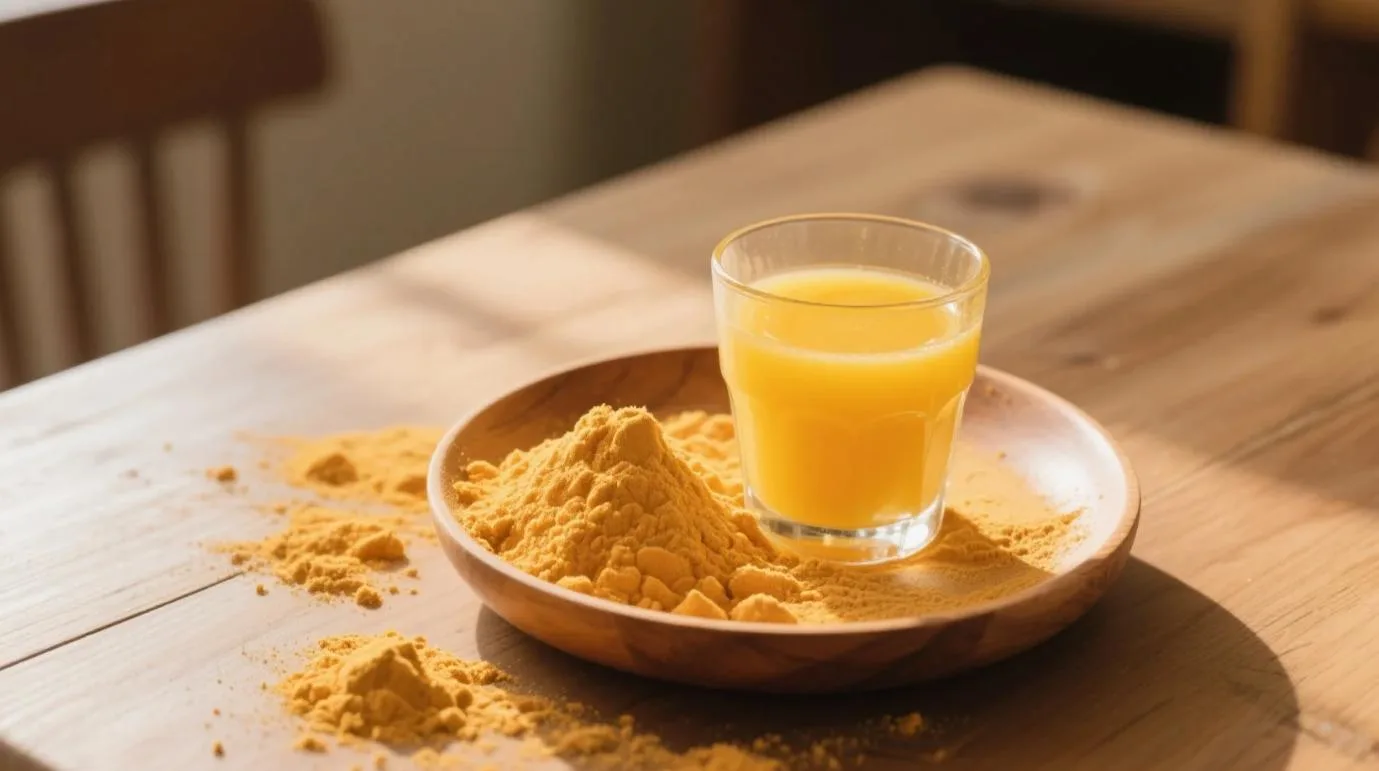
Organic Mango Powder vs. Mango Juice Powder: What’s the Difference?
| Feature | Organic Mango Powder | Organic Mango Juice Powder |
|---|---|---|
| Made From | Whole mango flesh that has been washed, sliced, gently dried at low temperature, and finely milled into a free-flowing powder. Because the entire fruit matrix is used, the resulting ingredient carries the full spectrum of mango solids, including the natural fruit fiber that gives the powder its characteristic body and a more complete nutritional profile. | Concentrated mango juice that has been pressed from ripe fruit, filtered to remove pulp, and then spray-dried or freeze-dried into a soluble powder. The juicing step strips away insoluble fiber, leaving a product built almost entirely around natural fruit sugars, fruit acids, and the volatile aroma compounds that define mango’s signature scent. |
| Texture | Fine and slightly fibrous, with a soft, flour-like mouthfeel that disperses well in batters and doughs while still contributing a subtle fruity grain that reads as authentic and minimally processed. | Smooth and ultrafine, engineered to dissolve instantly in cold or hot liquid without grit, making it ideal for beverages, glazes, and any application where a perfectly clear, lump-free finish is the priority. |
| Fiber Content | High, because the whole-fruit process retains the native dietary fiber of the mango, supporting clean-label texture claims and digestive positioning in finished goods. | Low, since insoluble fiber is removed during juicing and filtration, yielding a cleaner dissolve and a brighter flavor impact at the expense of any meaningful fiber claim. |
| Best For | Baking, dry spice blends, seasonings, and savory dishes where structure, tang, and a natural fruit backbone matter more than instant solubility. | Beverages, dressings, confections, and sweet treats where quick solubility and a bright, clean mango note are the priority and fiber is not required. |
Top 6 Uses for Organic Mango Powder
- Curries & Chutneys
A staple in Indian cuisine, mango powder—traditionally known as amchur—adds a bright, tangy depth to dals, vegetable stews, and homemade pickles. Because the powder is made from whole fruit solids rather than juice, it contributes acidity and a gentle fruity sourness that lifts rich, spice-heavy dishes without adding excess moisture. Professional kitchens and packaged food brands use it to balance heat, round out tomato-based sauces, and replace synthetic acidulants with a clean-label ingredient that consumers immediately recognize. A small spoonful stirred into a simmering curry at the end of cooking can transform a flat, one-note sauce into a layered, restaurant-quality finished product. - Marinades for Meats & Tofu
Mix organic mango powder with yogurt, garlic, ginger, and warming spices to build a marinade that both tenderizes and flavors proteins. The natural fruit acids help break down surface proteins for a more tender bite, while the fruit sugars contribute to caramelization and color during roasting or grilling. This approach works equally well for chicken, lamb, pork, and plant-based proteins such as pressed tofu or tempeh, giving product developers a single ingredient that bridges meat and vegan SKUs without reformulating two separate recipes. - Baked Goods
Fold organic mango powder into muffin batter, energy bars, cookie dough, or scone mixtures to introduce natural sweetness, moisture retention, and a sunny tropical identity. Unlike liquid fruit purees, the powder does not upset the hydration balance of a formula, so bakers can boost flavor without reworking their entire wet-to-dry ratio. It also pairs beautifully with coconut, lime, and cardamom, opening the door to clean-label “tropical” lines that stand out on a crowded snack shelf while keeping the ingredient statement short and familiar. - Digestive Aid
A pinch of mango powder stirred into warm water after a meal has long been used in traditional wellness routines to ease bloating and support comfortable digestion. The effect is attributed to naturally occurring fruit enzymes and the dietary fiber retained through the whole-fruit drying process. While it is not a substitute for medical advice, formulators of functional teas, tummy-friendly blends, and post-meal tonics value the ingredient for its gentle, familiar, and recognizable digestive story that needs no asterisk on the label. - Homemade Spice Blends
Combine organic mango powder with chili, cumin, smoked paprika, and sea salt to create a tropical twist on taco seasoning, BBQ rubs, or roasted vegetable dusts. The powder’s tangy profile mimics the role of citrus zest in a dry format that will not clump or spoil, which makes it especially useful for dry seasoning packets and shelf-stable shakers. Small-batch and private-label brands appreciate how one fruit powder can give a signature blend a point of difference that shoppers can actually taste and pronounce. - Face Masks
Mix mango powder with honey, yogurt, or aloe to craft a vitamin C-packed glow booster for do-it-yourself skincare. Yes, it is edible skincare—the same organic fruit solids valued in food are gentle enough for topical use, and the naturally occurring antioxidants make it a popular base for pampering treatments. Beauty and personal-care entrepreneurs frequently feature it in powdered mask kits, where customers simply add a liquid activator at home for a fresh, preservative-free application that feels both luxe and wholesome.
5 Creative Uses for Organic Mango Juice Powder
- Instant Smoothies
Blend organic mango juice powder with coconut water, fresh spinach, and banana for a tropical green smoothie that comes together in seconds—no peeling, no chopping, and no wasted fruit. Because the powder is already soluble, it disperses smoothly without the fibers that can make whole-fruit smoothies gritty, giving foodservice operators a consistent flavor shot they can portion precisely every time. It also travels well, which is why it shows up in travel packs, gym bundles, and single-serve stick formats aimed at busy, health-minded consumers. - Cocktail/Mocktail Mixer
Shake the powder into margaritas, mojitos, daiquiris, or plain sparkling water for an instant fruity kick without muddling fresh fruit behind a busy bar. The soluble format means it integrates cleanly into both alcoholic and zero-proof drinks, and bartenders can calibrate sweetness by the gram rather than by the ripeness of whatever fruit arrived that week. For branded beverage launches, it offers a stable mango flavor that survives pasteurization and a long shelf life without flavor drift. - Vegan “Cheese” Sauce
Add a spoonful to cashew-based or squash-based cheese sauces to introduce a sweet contrast that keeps vegan mac ‘n’ cheese from tasting flat. The bright fruit note cuts through rich, fatty bases and adds a layered complexity that reads as “gourmet” rather than “substitute,” helping better-for-you brands deliver comfort food with a clean ingredient list. It is particularly effective in shelf-stable sauce mixes, powdered meal kits, and dry soup bases where solubility is non-negotiable. - Frozen Treats
Stir organic mango juice powder into homemade popsicles, sorbet, or ice cream bases for a concentrated burst of mango flavor that will not dilute as ice crystals form. Because the powder carries flavor without added water, manufacturers can hit a bold, consistent taste profile batch after batch, and the vivid natural color reduces the need for artificial dyes. It is a favorite in fruit bars, gelato inclusions, and yogurt freezes where a reliable tropical note is the whole selling point. - Glazes & Drizzles
Whisk the powder with lime juice, agave, or maple to build a glossy glaze for grilled shrimp, roasted vegetables, or baked wings. The soluble powder forms a smooth emulsion that adheres evenly and caramelizes under heat, giving processors a reproducible finishing sauce that elevates simple proteins and vegetables into premium-looking plates. It also works as a dessert drizzle over cakes and cheesecake, bridging savory and sweet menus with one dependable ingredient.
Health Benefits of Organic Mango Powder
- Immunity Boost: Rich in vitamins A and C, mango powder supports normal skin function and immune health, making it a smart fortification choice for wellness-focused foods and beverages. Vitamin C also aids the absorption of plant-based iron, so pairing the powder with grains or legumes multiplies its nutritional value in a finished product without any synthetic additives.
- Digestive Fiber: Just one teaspoon of whole-fruit mango powder provides roughly 2g of dietary fiber, contributing to gut regularity and a feeling of fullness that supports better-for-you positioning. For brands developing functional snacks or meal replacements, that fiber content is a marketable claim that artificial sweeteners simply cannot match, and it comes from the fruit itself rather than added isolate.
- Antioxidant Powerhouse: Mangoes contain mangiferin, a distinctive polyphenol antioxidant that has been studied for its role in fighting inflammation and oxidative stress. Retaining this compound through gentle drying helps organic mango powder deliver more than just sweetness—it offers a credible functional story for products aimed at active, health-conscious consumers who read labels carefully.
- Low-Calorie Sweetness: As a natural alternative to refined sugar and artificial additives, mango powder lets formulators reduce empty calories while keeping a satisfying fruity taste. It is an attractive option for reduced-sugar product lines where clean labels and recognizable ingredients are now table stakes rather than differentiators that set a brand apart.
Why Go Organic?
Non-organic mangoes are frequently treated with synthetic fungicides and pesticides, and residues such as carbendazim have been documented on conventionally grown fruit in several markets. Choosing certified organic mango powders removes that exposure and delivers concrete advantages for brands and buyers alike:
√ No synthetic chemicals or preservatives—only fruit and, at most, a clean drying aid, so your label stays short and trustworthy.
√ Higher nutrient density, as multiple studies indicate that organically farmed mangoes can contain more polyphenols and certain antioxidants than their conventional counterparts.
√ Sustainable farming practices that protect soil health, conserve biodiversity, and keep surrounding ecosystems cleaner for the long term. For B2B buyers, organic certification is also a procurement safeguard: it signals traceability, audited supply chains, and a story that resonates with today’s ingredient-conscious customers who reward transparency at the shelf.
How to Use Mango Powder Daily
- Morning Kickstart: Stir ½ tsp organic mango powder into oatmeal, Greek yogurt, or an overnight-oats jar to brighten breakfast with natural fruit flavor and a gentle vitamin lift—no added sugar required. It dissolves easily into creamy textures and pairs especially well with nuts, seeds, and a dash of cinnamon for a satisfying start to the day that feels both indulgent and nourishing.
- Savory Surprise: Dust warm popcorn with a blend of mango powder and chili for a sweet-heat snack that feels gourmet yet costs almost nothing to make. The powder’s tangy profile also works on roasted chickpeas, sweet potato fries, and even buttered corn, giving home cooks and snack brands an easy way to add a signature twist that customers remember and repurchase.
- Post-Workout Recovery: Add a scoop to protein shakes, electrolyte drinks, or coconut water to supply natural fruit sugars, a touch of fiber, and trace electrolytes after training. Unlike neon-colored sports additives, it keeps the ingredient list short and recognizable, which is exactly what recovery-minded consumers say they want from the products they trust with their performance.
FAQ
Q: Can mango powder replace fresh mango?
A: Yes, in most cooked and blended applications it absolutely can. A practical rule of thumb is that 1 tablespoon of organic mango powder is equivalent to roughly 1 cup of diced fresh mango in flavor intensity, though you should adjust the liquid in your recipe since the powder contributes no moisture of its own. For curries, chutneys, smoothies, baking, and dressings, the swap is nearly seamless; for applications where fresh texture is the whole point—such as a diced-fruit salsa—you will want to rehydrate the powder or use it as a complementary flavor rather than a direct substitute.
Q: Is it safe for diabetics?
A: In moderation, yes. The whole-fruit powder retains dietary fiber, and that fiber helps slow the absorption of the fruit’s natural sugars, producing a gentler blood-glucose response than you would get from the juice powder or from refined sugar. People managing diabetes should still account for the carbohydrate content and treat it as a measured ingredient rather than a free food; when a choice must be made, the fiber-rich whole mango powder is the better option over the lower-fiber juice powder. As always, individual dietary needs vary, so guidance from a qualified healthcare professional should come first.
Q: Shelf life?
A: Properly stored, organic mango powder and mango juice powder remain at peak quality for up to 2 years when kept in a cool, dark, and dry place, ideally in an airtight container that limits exposure to humidity and light. Because the product is dehydrated, it is far less perishable than fresh fruit, but moisture is its enemy—once a batch clumps or cakes, flavor and free-flowing performance suffer. For food manufacturers, that stability translates into simpler inventory planning, lower spoilage write-offs, and the ability to source in bulk without worrying about a short harvest window.
Ready to Taste the Tropics, Any Time?
Whether you’re spicing up curries with organic mango powder or blending sunshine into drinks with organic mango juice powder, these pantry gems let you savor mangoes’ magic—no peeling, chopping, or spoilage. They bridge the gap between indulgent tropical flavor and the operational practicality that modern kitchens, brands, and buyers actually need. From clean-label baked goods to functional beverages and signature spice blends, the same two ingredients can anchor an entire product family while keeping your supply chain simple and your labels honest.
Sprinkle, stir, or sip your way to mango bliss today! However you choose to use them, organic mango powder and mango juice powder put the unmistakable taste of ripe fruit within easy reach, every single day of the year, with none of the waste and all of the warmth.
Recommended Products

Mango Powder
Mango—sourced from regenerative tropical farms—offered in two complementary forms: Mango Powder and Mango juice…
Related Posts


