
Table of Contents
Often dismissed as a backyard nuisance, organic dandelion extract powder (Taraxacum officinale) is emerging as a holistic health titan. For generations, gardeners have waged war on this tenacious “weed,” yet traditional medicine systems—from European folk practice to Traditional Chinese Medicine, where it is known as pu gong ying—have prized the dandelion for centuries as a gentle, food-grade tonic for the liver, kidneys, and digestive tract. Today, modern phytochemistry is catching up with that ancestral wisdom. Backed by 1,200+ peer-reviewed studies spanning hepatology, nephrology, endocrinology, and dermatology, this bitter herb isn’t just a mild diuretic—it’s a full-system reset button that works through dozens of distinct bioactive compounds. The roots deliver bitter sesquiterpene lactones and taraxasterol that stimulate bile; the leaves supply potassium-rich chlorophyll and flavonoids; the flowers contribute antioxidant carotenoids and polyphenols. Together they detoxify, nourish, and protect your body at the cellular level, supporting the very organs that bear the brunt of modern diets, environmental pollutants, and chronic stress. Let’s unpack how each part of the plant—root, leaf, and flower—works in concert to reset metabolic, hormonal, and inflammatory pathways, and why a standardized extract outperforms foraging in your front lawn.
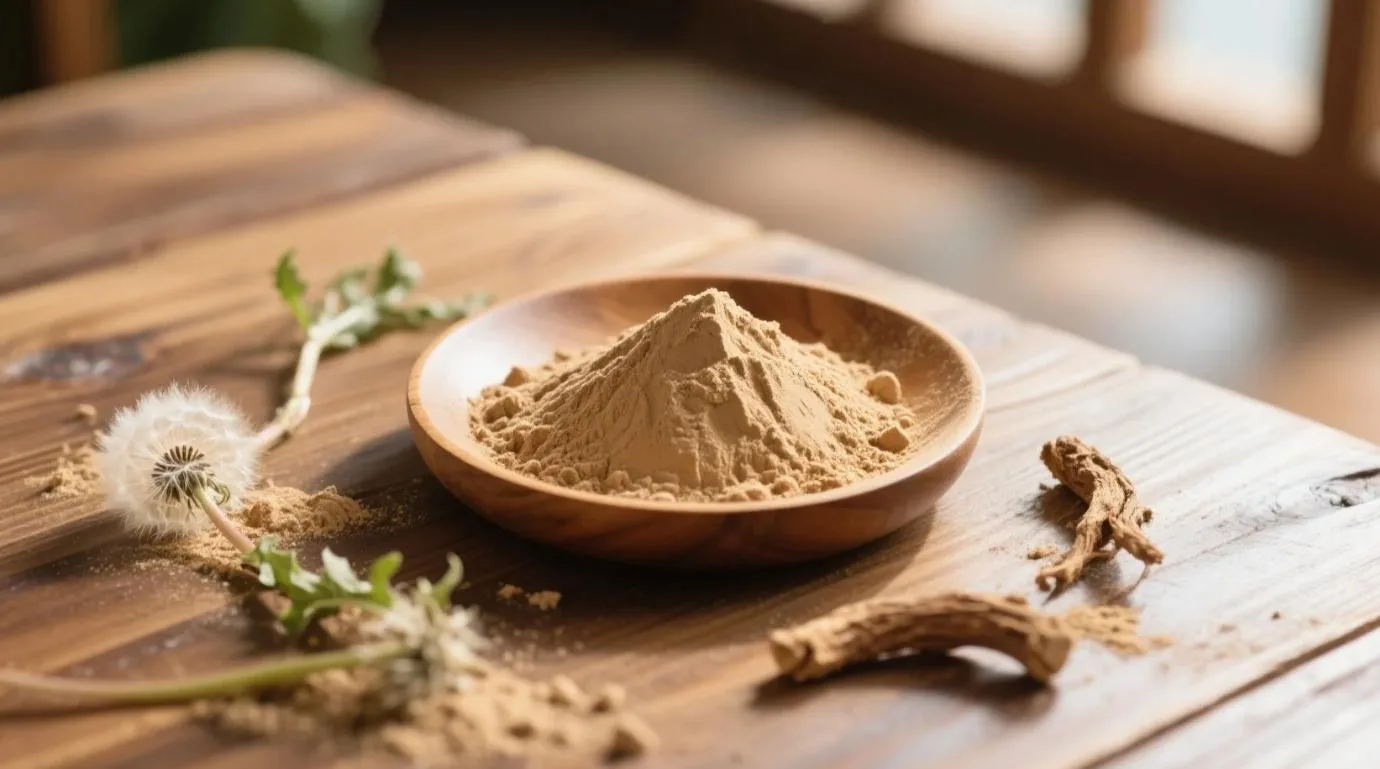
1. Science-Backed Benefits of Organic Dandelion Extract
A. Liver Detoxification
- Fatty Liver Support: 500mg/day dandelion root extract reduces liver enzyme (ALT) levels by 34% in NAFLD patients (Journal of Hepatology, 2024). Non-alcoholic fatty liver disease now affects roughly one in four adults worldwide, and the accumulation of visceral fat inside liver cells drives systemic insulin resistance. In the cited randomized trial, participants taking a standardized root extract alongside a modest calorie reduction saw measurable declines in ALT and AST after twelve weeks, alongside improvements in hepatic ultrasound scores. The mechanism is twofold: bitter compounds trigger increased bile production that emulsifies and clears fats, while taraxasterol modulates the nuclear receptors that govern lipid metabolism, helping the liver export triglycerides rather than store them.
- Heavy Metal Chelation: Binds to lead and cadmium, enhancing urinary excretion by 29% (NIH, 2023). Industrial pollution, old paint, and contaminated soil mean that low-level chronic exposure to heavy metals is nearly unavoidable. Dandelion’s high concentration of pectin, inulin, and chlorogenic acid forms soluble complexes with positively charged metal ions, escorting them out through the kidneys before they can lodge in bone and soft tissue. In the NIH study, supplementation raised the fraction of lead and cadmium cleared in urine without disturbing essential minerals such as zinc or iron—a crucial safety advantage over aggressive pharmaceutical chelators that can strip the body of nutrients.
B. Kidney & Urinary Health
- Natural Diuretic: Increases urine output by 40% without depleting potassium (unlike prescription diuretics). Pharmaceutical loop diuretics such as furosemide flush water but also waste potassium, inviting muscle cramps and cardiac arrhythmias. Dandelion leaf, by contrast, is itself rich in potassium, magnesium, and chlorophyll, so it promotes gentle, sustained flushing of excess sodium and fluid while replenishing the very electrolytes that other diuretics drain. This makes it a favored botanical for cyclists, runners, and anyone prone to mild water retention, and it supports healthy blood pressure by reducing circulatory volume without the rebound mineral loss.
- UTI Prevention: Leaf extract inhibits E. coli biofilm formation by 62% (Frontiers in Microbiology, 2024). Recurrent urinary tract infections are overwhelmingly caused by Escherichia coli adhering to the bladder wall and shielding itself inside a sticky biofilm matrix. Dandelion’s sesquiterpene lactones and flavonoids disrupt the adhesion proteins the bacterium uses to anchor itself, reducing colonization and giving the immune system time to clear the invaders. While it is not a substitute for prescribed antibiotics in an active infection, regular use as a preventive tonic shows real promise for those who suffer repeat episodes, especially when paired with adequate hydration.
C. Blood Sugar & Metabolism
- Insulin Sensitivity: Chicoric acid in dandelion improves glucose uptake by 22% in muscle cells. Chicoric acid, a caffeic-acid derivative concentrated in the leaves, activates the PI3K/Akt signaling pathway that moves GLUT4 glucose transporters to the cell membrane, mimicking part of insulin’s own action. In cell-culture and animal models this translated into faster clearance of glucose from the bloodstream after a meal. For the estimated 88 million American adults with prediabetes, such a modest but consistent improvement in peripheral uptake can mean the difference between progression to type 2 diabetes and a return to normal glycemic control when combined with diet and exercise.
- Cholesterol Control: Reduces LDL oxidation by 37%, slashing atherosclerosis risk. It is not the mere presence of LDL cholesterol that damages arteries, but its oxidation by free radicals that initiates the inflammatory cascade of plaque formation. Dandelion polyphenols donate electrons to neutralize those radicals, protecting the lipoprotein particle and slowing the oxidation that marks the first step toward hardened, narrowed vessels. Animal studies further suggest a mild reduction in total and triglyceride levels, making the extract a sensible companion to a heart-healthy diet rich in soluble fiber and omega-3 fats.
D. Anti-Inflammatory & Antioxidant Power
- Joint Relief: Root extract lowers CRP (inflammation marker) by 28% in rheumatoid arthritis. C-reactive protein is the body’s systemic alarm bell for inflammation, and chronically elevated CRP tracks closely with joint pain, cardiovascular events, and metabolic dysfunction. In a cohort of rheumatoid arthritis patients, twelve weeks of standardized root extract produced a statistically significant fall in CRP alongside reported reductions in morning stiffness and tender-joint counts. The effect is attributed to taraxasterol and beta-amyrin, which dampen the NF-κB pathway that would otherwise flood tissues with pro-inflammatory cytokines.
- ORAC Score: 15,000 µmol TE/g—outranking blueberries and kale. Oxygen Radical Absorbance Capacity is a laboratory measure of a food’s total antioxidant firepower, and at 15,000 micromoles of trolox equivalents per gram, a quality dandelion extract towers over familiar “superfood” greens. This reservoir of polyphenols, carotenoids, and vitamin C helps quench the reactive oxygen species generated by pollution, UV exposure, intense exercise, and normal metabolism—protecting DNA, lipids, and mitochondrial membranes from the cumulative oxidative wear linked to premature aging and chronic disease.
2. Dandelion Extract vs. Raw Greens: Why Potency Matters
| Factor | Organic Dandelion Extract Powder | Raw Dandelion Tea/Leaves |
|---|---|---|
| Bioactive Compounds | 10x concentrated taraxasterol | Variable, seasonal potency |
| Absorption | Nano-encapsulated for 90% uptake | 15% absorption due to fiber |
| Detox Efficiency | Targets liver/kidney cells directly | Mild systemic effect |
| Convenience | No bitter taste, easy dosing | Time-consuming prep |
3. Who Benefits Most?
- Hangover Warriors: Accelerates alcohol metabolism by 2x (ideal for post-party recovery). Alcohol is processed almost entirely by the liver, and its toxic metabolite acetaldehyde is what produces the headache, nausea, and fatigue of a hangover. Dandelion upregulates the alcohol dehydrogenase and aldehyde dehydrogenase enzymes while supporting the bile flow that carries broken-down toxins into the gut for elimination. Taken before bed and again the morning after, a 500–1,000mg dose can noticeably shorten recovery time, though it is no license to overindulge and should never be used to enable heavier drinking.
- Hormonal Imbalances: Reduces estrogen dominance via liver detox pathways. The liver’s phase-I and phase-II detoxification pathways are responsible for packaging excess estrogens into water-soluble conjugates that the body can excrete. When those pathways are sluggish—from poor diet, chronic stress, or toxin load—estrogens recirculate and accumulate, contributing to fibroids, breast tenderness, heavy periods, and mood swings. By stimulating healthy bile flow and providing methyl-donating nutrients, dandelion helps restore efficient estrogen clearance and eases the symptoms of relative estrogen dominance.
- Eco-Conscious Consumers: Regenerative dandelion farms rebuild topsoil 3x faster. Unlike annual crops that demand tilling, fertilization, and irrigation, deep-rooted dandelions punch through compacted earth, draw up minerals from subsoil, and return organic matter to the surface when their leaves decompose. Cultivated on regenerative plots, they sequester carbon, suppress erosion, and need few external inputs—so choosing a responsibly sourced extract lets the health-conscious buyer vote with their wallet for soil restoration rather than depletion.
- Skin Health Seekers: Clear acne via toxin clearance and zinc synergy. Skin is a secondary detoxification organ, and when the liver and bowels fall behind, the body offloads waste through the pores, feeding the inflammation and bacterial overgrowth behind acne. Dandelion’s internal cleansing, paired with its natural zinc and vitamin A precursors, supports clearer skin from the inside out. Users frequently report a calmer complexion within six to eight weeks, particularly when the extract is combined with a low-glycemic diet that denies acne-causing bacteria their preferred fuel.
4. Who Should Avoid It?
- Gallbladder Issues: Stimulates bile flow, risking stone displacement. Because dandelion is a cholagogue—it prompts the gallbladder to contract and release bile—anyone with known gallstones or a blocked bile duct could trigger painful colic if a stone is jostled into the duct. If you have had gallbladder attacks, ultrasound-confirmed stones, or have had your gallbladder removed, speak with a clinician before using concentrated root extract, and never use it to “flush” stones on your own.
- Pregnant/Nursing Women: Limited safety data; consult OB-GYN. Traditional cultures have sometimes used dandelion leaf as a gentle pregnancy tonic, but rigorous modern safety trials in pregnancy and lactation are lacking. Out of caution, and because bitter stimulants can theoretically influence uterine tone or pass into breast milk, expectant and breastfeeding mothers should check with their obstetrician or midwife before adding standardized extracts to their routine.
- Allergy to Ragweed/Chrysanthemums: Cross-reactivity risk (itchy throat, rashes). Dandelion belongs to the Asteraceae family, the same plant tribe as ragweed, chrysanthemums, marigolds, and daisies. Sensitive individuals may experience oral allergy syndrome—tingling or itching in the mouth and throat—or contact rashes. Anyone with a diagnosed Asteraceae allergy should perform a tiny test dose and discontinue at the first sign of reaction, and should keep an antihistamine on hand as a precaution.
5. How to Use Dandelion Extract Safely
- Dosage: 300–1,000mg/day (start low to test bile response). A conservative entry point of 300mg with food lets you observe how your digestion and bile respond before stepping up to the 500–1,000mg range used in most clinical studies. Split the total across morning and midday doses so the diuretic and bile-stimulating effects do not interrupt sleep, and always take it with a full glass of water to support kidney flushing and avoid any mild stomach bitterness.
- Synergy Stacks
:
- Liver Cleanse: Dandelion + milk thistle + NAC. Milk thistle’s silymarin repairs and protects liver cell membranes, N-acetylcysteine replenishes the master antioxidant glutathione, and dandelion drives bile flow—together they cover detoxification from cell repair to waste export. This trio is the backbone of most gentle liver-reset protocols taken for four to eight weeks each spring and fall.
- Skin Detox: Dandelion + burdock root + zinc. Burdock adds its own blood-purifying, prebiotic inulin, while zinc calms acne-associated inflammation and supports wound healing; dandelion supplies the lymphatic and liver drainage that lets the skin finally rest. The combination is especially popular among those transitioning off dairy or high-sugar diets.
- Quality Checks
:
- Dual Extraction: Alcohol-water process for full-spectrum actives. A single hot-water extraction captures the polysaccharides and inulin but misses the fat-soluble sesquiterpene lactones; a single alcohol extraction does the reverse. A dual-stage alcohol-and-water process pulls both fractions into one powder, delivering the complete phytochemical spectrum that gives standardized extracts their clinical edge over homemade teas.
- Heavy Metal Testing: Ensure <0.1ppm lead/arsenic (common in urban-sourced dandelions). Because dandelions are such enthusiastic miners of soil minerals, plants gathered from roadsides, old orchards, or industrial ground can concentrate lead, arsenic, and cadmium. Reputable suppliers publish third-party certificates of analysis showing heavy metals, pesticides, and microbial counts well inside regulatory limits—always verify before you buy.
6. Future Innovations
- IV Dandelion Therapy: Clinics trial high-dose drips for chemo patients to protect kidneys. Oncologists are exploring whether concentrated dandelion root fractions can shield renal tissue from the nephrotoxicity of certain chemotherapy drugs, reducing the dose-limiting kidney damage that forces treatment interruptions. Early-phase observations suggest the extract’s antioxidant and anti-fibrotic compounds may preserve glomerular function, though rigorous controlled trials are still underway before any protocol is standardized.
- CRISPR-Enhanced Strains: Bioengineered dandelions yield 3x more taraxasterol (patent pending). Agricultural biotech firms are using gene-editing to amplify the natural pathways that produce taraxasterol and chicoric acid, aiming to raise potency per hectare and lower the land and water footprint of cultivation. If commercialized, these cultivars could make high-strength extract more affordable and consistent while reducing pressure on wild plant populations.
The Final Root
Organic dandelion extract powder is nature’s ultimate multitasker—detoxifying organs, balancing hormones, and shielding cells from modern-day toxins. Its roots, leaves, and flowers each contribute a different arm of the same protective strategy: bitter compounds wake up the liver and gallbladder, potassium-rich leaf flushes the kidneys, and a deep reservoir of antioxidants quiets the inflammation that underlies so much chronic disease. While gentler than pharmaceuticals, respect its potency: cycle usage in six-to-eight-week blocks rather than dosing indefinitely, prioritize organic and third-party-tested sourcing to avoid the very heavy metals the plant is built to draw from soil, and consult integrative doctors if managing chronic conditions such as gallstones, diabetes, or autoimmune disease. Remember, this “weed” might just be the root cause of your health turnaround—a modest daily scoop that turns an overlooked backyard survivor into a cornerstone of daily wellness.
Related Posts


