
Goji berries, often celebrated as one of nature’s most versatile superfoods thanks to their dense concentration of antioxidants, vitamins, and unique carotenoid compounds, have steadily earned a permanent place in wellness routines, functional food formulations, and clean-label product lines around the world. From nutraceutical capsules to ready-to-drink wellness shots, the bright orange-red berry of Lycium barbarum has become a fixture of the modern health-conscious pantry. Yet for all their reputation as a gentle, nourishing ingredient, it is worth asking an honest question that many buyers, formulators, and everyday consumers overlook: are there genuine downsides to these vibrant red berries, and how should responsible users think about the potential side effects of goji berries? In this guide we take a clear-eyed, science-informed look at who might need to exercise caution, what symptoms to watch for, and, crucially, why thoughtfully sourced organic goji berry powders and organic goji juice powders remain a safe, nutrient-packed choice when they are used wisely, in sensible portions, and with a realistic understanding of individual tolerance. Whether you are a brand developing a new functional blend or a home user adding a daily scoop to a morning smoothie, the goal is the same: capture the benefits while keeping risk firmly in perspective.
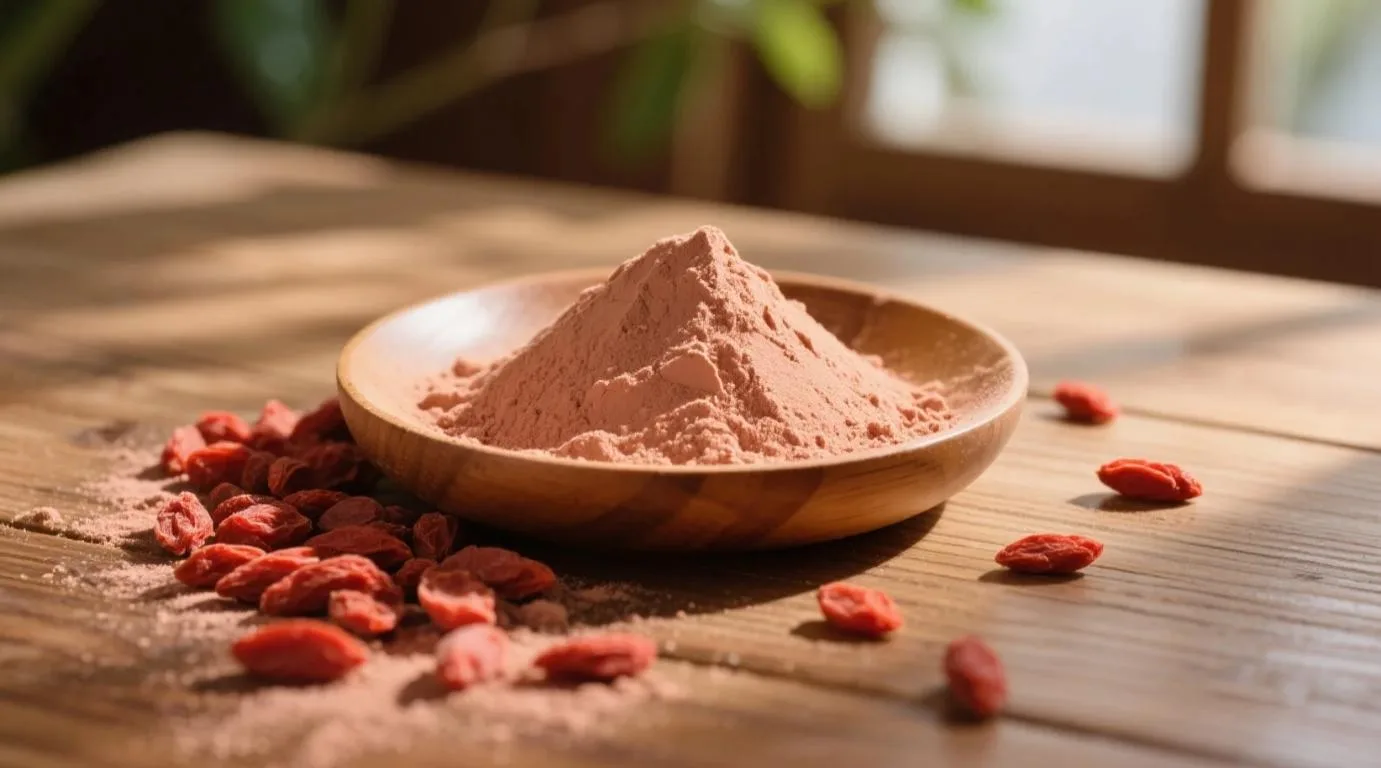
Goji Berries: Benefits vs. Risks
Packed with vitamin C, zinc, iron, and a remarkable spectrum of phytonutrients including the carotenoid zeaxanthin that is closely associated with eye health, goji berries genuinely qualify as a nutritional powerhouse whose reputation is backed by a long history of traditional use and a growing body of modern research. A single serving contributes meaningful amounts of vitamin A precursors, B vitamins, and dietary polysaccharides that are studied for their effects on immune resilience and steady energy metabolism. However, the very density of bioactive compounds that makes goji valuable also explains why moderation is key. Like any concentrated botanical ingredient, goji berries are not a case of “more is automatically better,” and the line between a beneficial daily habit and an uncomfortable experience is usually drawn by dose, personal physiology, and the specific form of the product being consumed. Here is a practical, honest rundown of what responsible users should watch for, framed so that the small subset of people who need to be cautious can make informed choices without undue alarm.
Potential Side Effects of Goji Berries
- Allergic Reactions: Allergic reactions to goji berries are rare but possible, and they deserve a mention because they are among the few responses that can appear even at very small doses. The most relevant cross-reactivity risk involves individuals who are already allergic to plants in the nightshade (Solanaceae) family, such as tomatoes, peppers, eggplant, and potatoes, since goji belongs to the same broader botanical grouping. For susceptible people, exposure can trigger symptoms ranging from mild itching, skin rashes, or localized hives to lip, tongue, or facial swelling. In the uncommon event of a more systemic reaction, such as difficulty breathing or throat tightness, the response should be treated as a medical emergency. The practical takeaway for product developers and home users alike is simple: when introducing goji into a formulation or a diet for the first time, start with a small amount and observe, especially for children, allergy-prone individuals, or anyone with a known nightshade sensitivity.
- Drug Interactions
: Goji berries can interact with several common classes of prescription medication, which is one of the more important cautions for adults managing chronic conditions. Because the berries contain naturally occurring compounds that influence clotting, blood sugar, and blood pressure pathways, they should be introduced thoughtfully by anyone taking long-term medication. The main categories to discuss with a healthcare provider include:
- Blood Thinners: Blood thinners and anticoagulants: goji berries contain vitamin K, a nutrient that plays a direct role in the body’s clotting cascade. For people taking anticoagulant medications such as warfarin, a sudden change in vitamin K intake can shift how the drug behaves and complicate dose management. Consistency matters more than absolute avoidance, but because dried berries and concentrated powders deliver vitamin K in a compact form, anyone on a prescribed blood thinner should keep their goji intake steady and transparent to their physician rather than alternating between none and large amounts.
- Diabetes Medications: Diabetes medications: goji has traditionally been used to support healthy blood sugar levels, and some studies suggest it may gently enhance glucose metabolism. That is a benefit for many people, but for those already taking insulin or oral hypoglycemic drugs, the combined effect can push blood sugar lower than intended, risking hypoglycemia with symptoms such as shakiness, sweating, or dizziness. People managing diabetes who are interested in goji should coordinate with their care team and monitor readings when adding the powder to a routine.
- Blood Pressure Medications: Blood pressure medications: there is emerging evidence that goji may have mild blood-pressure-lowering activity of its own. When layered on top of prescription antihypertensives such as ACE inhibitors or calcium channel blockers, the combined effect could amplify the drug’s action and lead to dips in blood pressure that cause lightheadedness. As with the other interaction categories, the safe approach is open communication with a prescribing clinician and conservative, consistent dosing.
- Digestive Issues
: Digestive issues are the most commonly reported complaint, and they are almost always tied to overconsumption rather than to the berry itself. Goji is naturally rich in dietary fiber and certain polysaccharides that, in large amounts, can ferment in the gut and produce discomfort. For people new to the ingredient, abruptly adding a large scoop of powder can overwhelm a digestive system that has not yet adapted. Typical symptoms of doing too much, too soon include:
- Stomach cramps: the fiber load and natural fruit sugars can irritate a sensitive stomach, particularly when goji is consumed on an empty stomach or in a single large dose taken all at once.
- Diarrhea: excessive intake of the berry’s soluble fibers and sugars may speed bowel transit and loosen stools until the amount is reduced to a comfortable level.
- Bloating (especially with high-fiber organic goji berry powder): because whole-berry powder retains the fruit’s full fiber matrix, it is more likely to cause gas and bloating than the lower-fiber juice powder; easing in gradually and drinking water helps most users adapt comfortably.
- Pregnancy Concerns: Pregnancy and breastfeeding concerns: the published research base on goji consumption during pregnancy and lactation remains limited, which in itself argues for caution rather than an assumed position of safety. Certain branches of traditional medicine have historically advised against goji in pregnancy due to a belief that the berry may influence uterine activity, and while modern evidence is not conclusive, the prudent choice for expectant or nursing mothers is to consult a qualified healthcare provider before using concentrated goji products. This is less about proven harm and more about the simple wisdom of avoiding unnecessary concentrated botanicals during a period when gentle, well-studied nutrition is the priority.
- Overconsumption Risks: Overconsumption risks tied to dose: goji berries have a subtly stimulating quality, and exceeding a sensible daily amount, roughly beyond the 15 to 30 gram range that most traditional and contemporary sources suggest as a practical upper limit, can tip pleasant stimulation into unwanted side effects. Users who consistently take more than the body can comfortably process may notice headaches, difficulty sleeping, or a general sense of restlessness and jitteriness. These effects are dose-dependent and reversible: stepping back to a moderate serving almost always resolves them. For formulators, this is a useful reminder that a clean label does not mean an unlimited label, and clear serving guidance protects the end consumer.
Organic Goji Berry Powder vs. Juice Powder: Side Effects Compared
| Factor | Organic Goji Berry Powder | Organic Goji Juice Powder |
|---|---|---|
| Fiber Content | High (may trigger bloating) | Low (gentler on digestion) |
| Concentration | Moderate (whole berry nutrients) | High (potent antioxidants) |
| Best For | Snacks, smoothies, baking | Drinks, shots, quick absorption |
| Risk of Overdose | Lower (requires larger volume) | Higher (easy to over-consume) |
Why Organic Goji Products Reduce Risks
Non-organic goji berries, particularly those grown with conventional agricultural inputs, may carry residues of synthetic pesticides or contain sulfites that are sometimes applied as preservatives to maintain an appealing color during drying and storage. For brands building clean-label products and for consumers who read ingredient decks carefully, these unwanted extras undermine the very health promise that goji is meant to deliver. This is where certified organic goji powders earn their place: by removing the questionable inputs from the start, they let the berry’s natural nutrition speak for itself. Choosing certified organic goji powders ensures that what ends up in the package is aligned with the values printed on the label.
√ No synthetic chemicals or additives — organic certification prohibits the use of artificial pesticides, herbicides, and the sulfite preservatives common in conventional dried fruit, so the powder you receive is closer to the berry as nature made it.
√ Safe processing to retain nutrients without toxins — reputable organic processors use gentle, controlled drying and milling methods that protect heat-sensitive antioxidants such as zeaxanthin while avoiding contaminated equipment or harsh solvents.
√ Transparent sourcing from trusted farms — certified supply chains document the origin of every batch, giving formulators and buyers the traceability needed to stand behind their own product claims with confidence.
How to Enjoy Goji Safely
- Start Small: Start small and build gradually: begin with roughly one teaspoon of powder per day and monitor your body’s response for a week before increasing. This measured introduction lets your digestive system adapt to the fiber and lets you spot any individual sensitivity early, when it is easiest to manage.
- Consult a Doctor: Consult a doctor or qualified healthcare professional before regular use if you are pregnant, breastfeeding, managing a chronic condition, or taking prescription medication. A brief conversation with a clinician is especially important for anyone on blood thinners, diabetes drugs, or blood pressure medication, where goji’s interactive effects are most relevant.
- Hydrate: Stay hydrated: drink plenty of water alongside goji, especially when using the fiber-rich whole-berry powder. Adequate fluids help the dietary fiber move comfortably through the digestive tract and reduce the likelihood of bloating or cramping, turning a potentially awkward introduction into a smooth daily habit.
- Pair Wisely: Pair wisely and avoid stacking stimulants: because goji has a mild energizing quality, it is best not combined in the same session with large amounts of caffeine or other stimulants, and anyone on anticoagulant therapy should keep their intake consistent and disclosed to their physician. Thoughtful pairing preserves the berry’s benefits while keeping side effects at bay.
Fresh vs. Organic Goji Powders: Which Is Safer?
- Fresh/Dried Berries: Fresh or conventionally dried berries can be excellent, but non-organic versions may contain sulfites used for color retention and they rely on the user to practice portion control by hand, which makes accidental overconsumption easier. They also have a shorter shelf life once opened and can harden or spoil if not stored carefully.
- Organic Powders: Offered in both whole-berry and juice forms, organic powders deliver pre-measured convenience, freedom from unwanted additives, and strong shelf stability that makes controlled, repeatable use simple for both home cooks and commercial formulators. The powder format also blends seamlessly into beverages, bars, and supplements, supporting precise dosing that whole dried berries cannot match.
The Bottom Line
While goji berries are genuinely safe for the large majority of people, the side effects that do appear are rare and are overwhelmingly linked to one of three factors: overuse beyond a sensible daily amount, an unrecognized allergy, or an interaction with a pre-existing condition or medication. This is encouraging news, because each of those factors is manageable with awareness. Both organic goji berry powder and organic goji juice powder are designed to minimize risk from the ground up by prioritizing ingredient purity, transparent sourcing, and proper low-temperature processing that preserves nutrients without introducing contaminants.
By respecting straightforward dosage guidelines, introducing the ingredient gradually, and choosing certified organic products from a trusted supplier, you can safely harness goji’s energy-boosting, immune-supporting, and eye-nourishing benefits as part of a balanced routine. The berry’s long track record across cultures and its growing research base make it a sound choice for formulators and consumers who value clean, functional nutrition.
Ready to Try Goji Berries Responsibly?
Explore our organic goji berry powder for fiber-rich recipes, baking, and satisfying snacks, or choose organic goji juice powder when you want vibrant, fast-acting nutrition in drinks and wellness shots — both crafted to fuel your wellness journey safely and backed by the transparency that modern buyers expect.
Nourish smartly, and let goji’s goodness work for you!
Recommended Products

Organic Goji Powder
Organic Goji — certified organic Lycium barbarum — offered in three complementary formats.
Related Posts


