
Table of Contents
As organic hemp protein powder gains wider adoption across plant-based and clean label product lines, buyers and formulators are facing a new challenge: not all hemp protein powders perform the same in different applications.
Protein content, particle size, flavor profile, and processing methods can significantly affect texture, taste, and stability. Understanding these differences is essential for selecting the right specification—especially for brands developing multiple SKUs across food, beverage, and nutrition categories.
This article provides a practical guide to choosing organic hemp protein powder based on application needs, with clear formulation advice and common buyer questions answered.
Key Factors That Influence Hemp Protein Performance
Before selecting a specific grade, it is important to understand the variables that affect performance:
- Protein concentration (typically 50–65%)
- Particle size (mesh)
- Fiber content
- Color and appearance
- Flavor intensity
- Processing method (cold-pressed vs. further refined)
These factors determine how hemp protein behaves in liquids, doughs, and solid matrices.
Application-Based Selection Guide
Beverages and Smoothies
For ready-to-mix drinks, smoothies, and plant-based beverages, dispersion and mouthfeel are critical.
Recommended characteristics:
- Fine particle size
- Lower grittiness
- Balanced protein and fiber
- Mild, clean flavor
In beverage applications, organic hemp protein is often blended with other plant proteins or natural stabilizers to improve suspension and texture while maintaining a clean label.
Protein Bars and Nutrition Snacks
Bars and snacks benefit from hemp protein’s fiber content and binding properties.
Recommended characteristics:
- Medium particle size
- Slightly higher fiber for structure
- Consistent color
Hemp protein works particularly well in seed- or nut-based bars where its natural flavor complements other whole-food ingredients.
Bakery and Dry Mixes
In bakery applications, organic hemp protein powder contributes nutrition without heavily altering dough structure when used correctly.
Recommended characteristics:
- Medium to coarse particle size
- Stable color after baking
- Controlled moisture absorption
Formulators often adjust hydration levels to compensate for hemp protein’s water-binding capacity.
Sports Nutrition and Meal Replacements
For sports nutrition products positioned around whole-food performance, hemp protein offers a strong nutritional narrative.
Recommended characteristics:
- Higher protein content
- Clean amino acid profile
- Verified organic and non-GMO certifications
In these applications, hemp protein is frequently combined with other plant-based ingredients to balance amino acid ratios and flavor.
How To Selecting the Right Organic Hemp Protein Powder
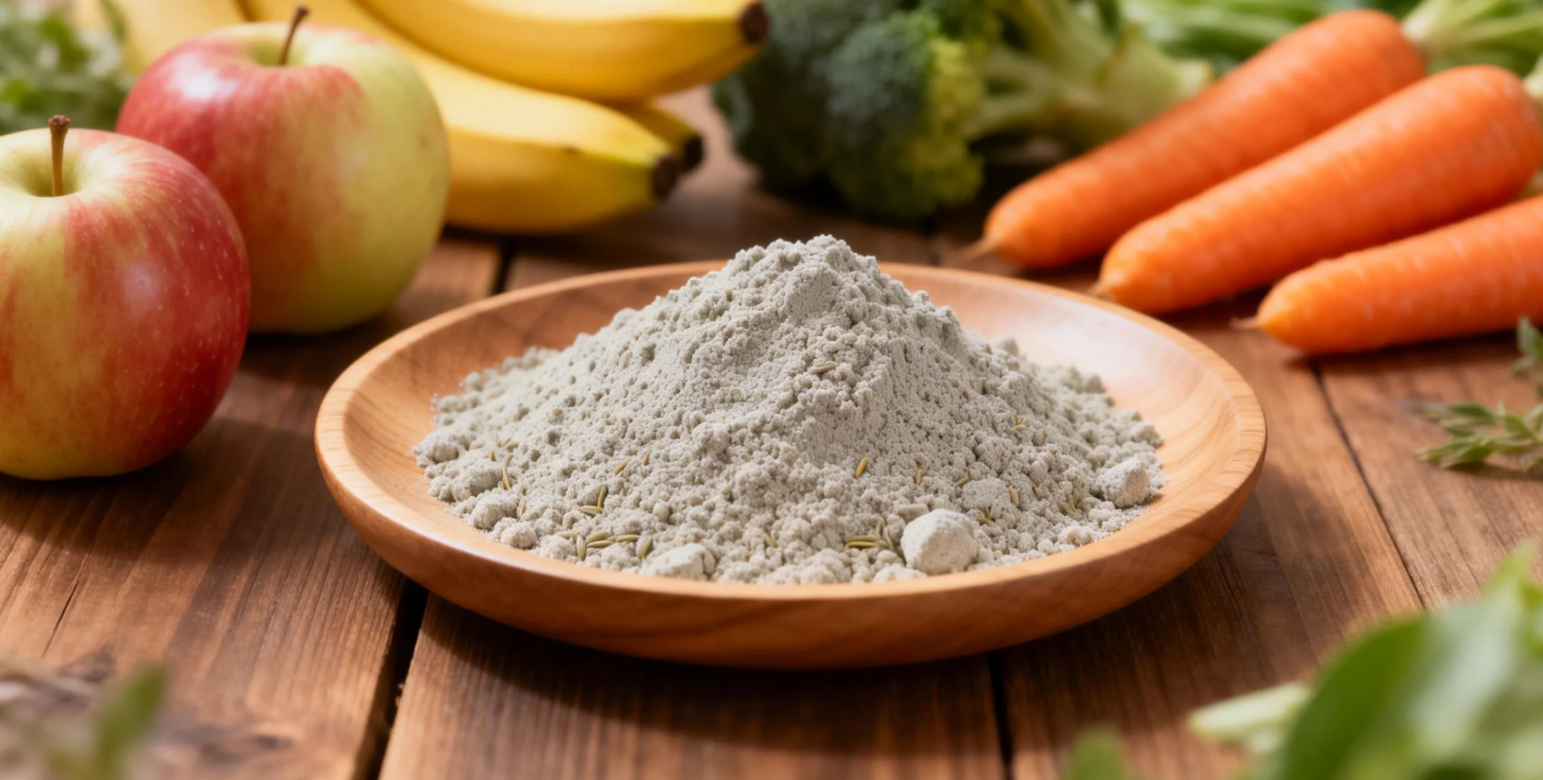
How To Selecting the Right Organic Hemp Protein Powder
Step 1: Define the End Product Format
Clarify whether the product is a beverage, bar, baked good, or nutritional powder. Performance requirements differ significantly by format.
Step 2: Prioritize Label and Certification Needs
Confirm organic certification standards (USDA Organic, EU Organic), allergen statements, and non-GMO status early in the sourcing process.
Step 3: Request Technical Specifications
Ask suppliers for data on protein percentage, mesh size, moisture content, and microbiological standards.
Step 4: Conduct Application Trials
Pilot testing is essential. Even small changes in particle size or fiber content can impact texture and taste.
Step 5: Evaluate Supply Stability
For commercial production, consistent quality and long-term supply are just as important as functional performance.
Common Mistakes Buyers Should Avoid
- Choosing based on protein percentage alone
- Ignoring flavor intensity in neutral formulations
- Underestimating water absorption in beverages and bakery
- Overlooking batch-to-batch consistency
A successful formulation balances nutritional goals with real-world processing and sensory performance.
FAQ: Organic Hemp Protein Powder Selection
Is higher protein content always better?
Not necessarily. Higher protein often means lower fiber, which may reduce functionality or clean label appeal depending on the application.
Can one hemp protein powder work for all applications?
In most cases, no. Different formats benefit from different particle sizes and compositions.
Does organic hemp protein affect product color?
Yes. Hemp protein typically has a natural green-brown tone, which should be considered in light-colored products.
Is hemp protein suitable for children’s or elderly nutrition products?
Yes, when properly formulated. Its digestibility and fiber content make it suitable for balanced nutrition products.
What documents should B2B buyers request?
Organic certificates, COA, allergen statements, microbiological reports, and traceability documentation are essential.
Final Thoughts
Choosing the right organic hemp protein powder is not just a sourcing decision—it is a formulation strategy. When matched correctly to the application, hemp protein supports clean label goals, delivers balanced nutrition, and enhances product differentiation.
For brands looking to expand plant-based portfolios with functional and sustainable ingredients, organic hemp protein powder offers flexibility, credibility, and long-term market relevance.
Related Products
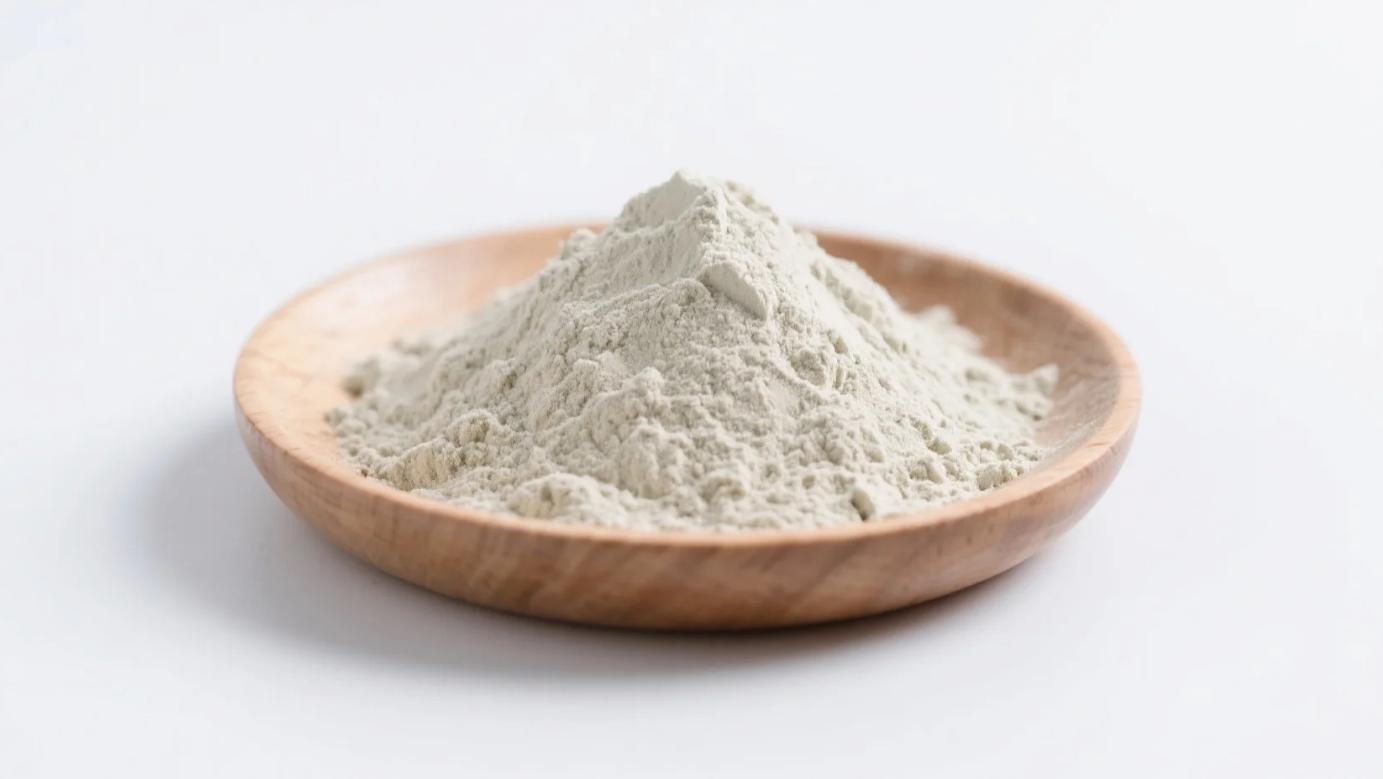
Organic Hemp Protein Powder
Produced using cold-press mechanical separation and fine-mesh classification, our hemp protein retains…