


Table of Contents
Walk down any grocery aisle and you’ll find an overwhelming array of sweeteners — natural, artificial, sugar-free, low-calorie. Among them, maltodextrin is one of the most common yet least understood. Is it a sugar? A sweetener? A safe additive? And how does it compare to popular alternatives like erythritol, aspartame, and stevia?
This article provides a clear, evidence-based comparison to help you understand what’s actually in your food and drinks — and which sweetener might be the best fit for your health goals.
What Is Maltodextrin, Exactly?
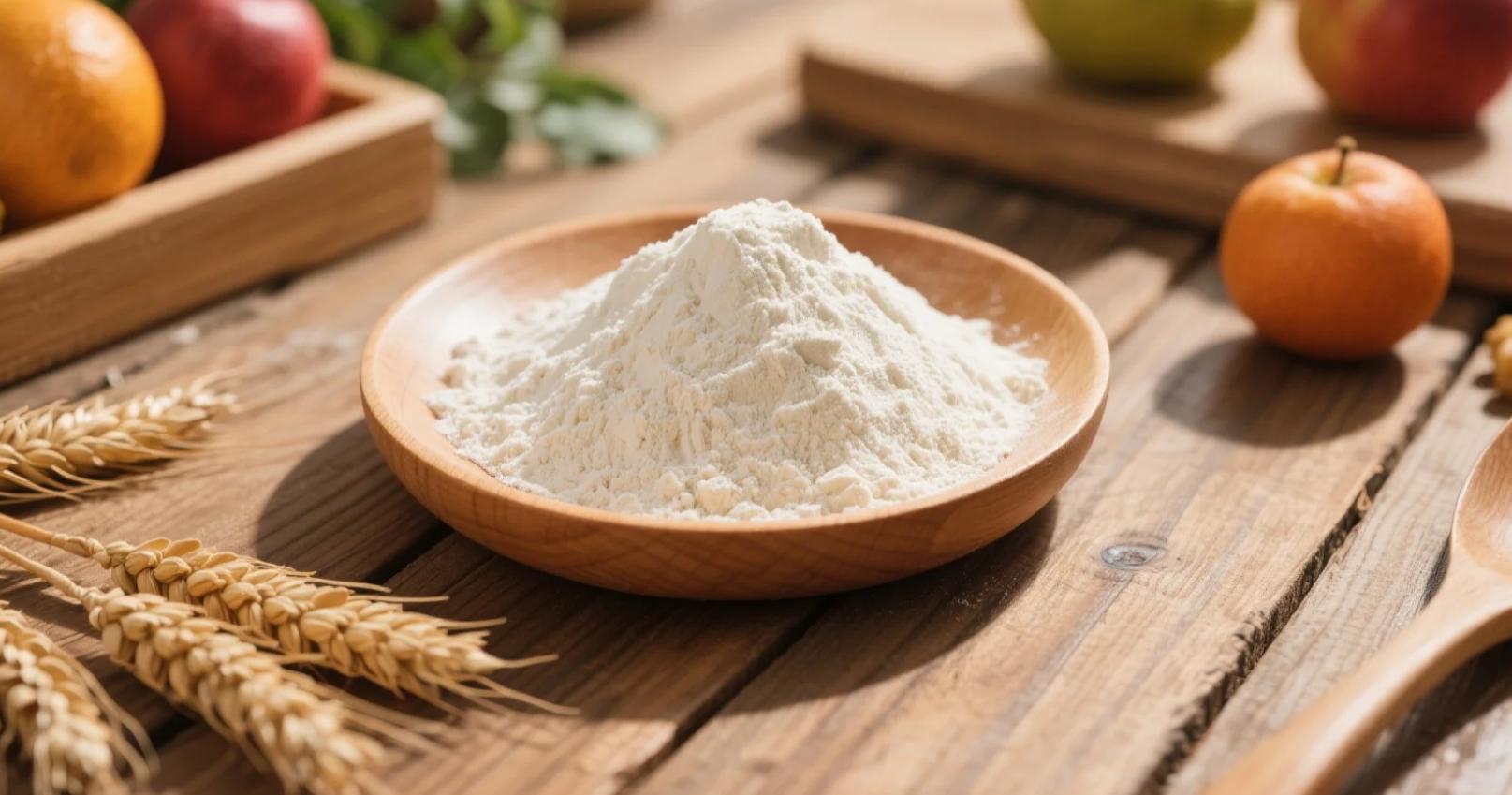
Maltodextrin is a carbohydrate made by breaking down starch — usually from corn, rice, potato, or tapioca — into shorter glucose chains through a process called hydrolysis. Despite being derived from starch, it’s not technically a sugar. Its Glycemic Index (GI) ranges from 85 to 105, meaning it can raise blood sugar quickly, similar to or even faster than table sugar.
However, organic maltodextrin — produced from certified organic, non-GMO starches using natural enzymatic processing — offers a cleaner alternative to conventional versions that may involve GMO corn or acid-based hydrolysis.
Maltodextrin at a Glance
| Property | Conventional Maltodextrin | Organic Maltodextrin |
|---|---|---|
| Source | May be GMO corn | Certified organic, non-GMO starches |
| Processing | Often acid hydrolysis | Enzymatic hydrolysis |
| Calories | ~4 kcal/g | ~4 kcal/g |
| GI | 85–105 | Similar, but organic versions may have slower release |
| Taste | Slightly sweet, neutral | Clean, neutral |
| Common uses | Thickener, filler, carrier | Same, with cleaner labeling |
Maltodextrin vs. Erythritol
Erythritol is a sugar alcohol (polyol) found naturally in small amounts in fruits like grapes, pears, and melons. It’s become one of the most popular sugar substitutes in keto and low-carb products.
Head-to-Head Comparison
| Factor | Maltodextrin | Erythritol |
|---|---|---|
| Calories | ~4 kcal/g | ~0.2 kcal/g (virtually zero) |
| GI | 85–105 | 0 (does not raise blood sugar) |
| Sweetness | ~20% as sweet as sugar | ~70% as sweet as sugar |
| Digestion | Absorbed as glucose | Mostly excreted unchanged in urine |
| Side effects | Blood sugar spike if consumed in excess | Gas, bloating, or laxative effect at high doses |
| Keto-friendly | No | Yes |
| Natural source | Starch (corn, tapioca, rice) | Fruits (or fermented from glucose) |
| Best for | Energy, texture, bulking agent | Sugar-free, low-calorie products |
The Bottom Line
- Choose erythritol if your primary goal is calorie reduction or blood sugar management.
- Choose maltodextrin if you need energy for sports, texture improvement, or a carrier for flavors and nutrients — applications where erythritol’s lack of calories is actually a disadvantage.
Maltodextrin vs. Aspartame
Aspartame is an artificial sweetener approved by the FDA, EFSA, and WHO. It’s roughly 200 times sweeter than sugar and is widely used in diet sodas, sugar-free gum, and tabletop sweeteners.
Head-to-Head Comparison
| Factor | Maltodextrin | Aspartame |
|---|---|---|
| Type | Natural carbohydrate | Artificial sweetener |
| Calories | ~4 kcal/g | ~4 kcal/g (but used in tiny amounts) |
| GI | 85–105 | 0 |
| Sweetness | ~20% as sweet as sugar | ~200 times sweeter than sugar |
| Source | Organic starches | Synthesized from amino acids |
| Consumer perception | Neutral to positive (especially organic) | Controversial — concerns about safety despite regulatory approval |
| Thermal stability | Stable at high temperatures | Degrades at high heat |
| Phenylketonuria (PKU) | Safe | Not safe (contains phenylalanine) |
The Bottom Line
- Choose maltodextrin if you want a naturally derived, clean-label ingredient and are concerned about artificial additives.
- Aspartame is effective for zero-calorie sweetness in beverages and tabletop use, but its artificial origin and consumer controversy make it less suitable for clean-label products.
- These two ingredients are fundamentally different: maltodextrin provides bulk, texture, and energy, while aspartame provides only sweetness.
Maltodextrin vs. Other Natural Sweeteners
Maltodextrin vs. Stevia
| Factor | Maltodextrin | Stevia |
|---|---|---|
| Type | Carbohydrate | Plant-derived sweetener |
| Calories | ~4 kcal/g | 0 kcal |
| Sweetness | ~20% of sugar | 200–300 times sweeter than sugar |
| Taste | Neutral | Bitter licorice aftertaste (common complaint) |
| GI | 85–105 | 0 |
| Functional use | Bulking, texture, carrier | Sweetness only |
| Label-friendly | Yes (especially organic) | Yes |
Best for: Stevia for sweetness-only needs; maltodextrin when you need body and texture alongside mild sweetness.
Maltodextrin vs. Raw Honey / Maple Syrup
| Factor | Maltodextrin | Raw Honey | Maple Syrup |
|---|---|---|---|
| Calories | ~4 kcal/g | ~3 kcal/g | ~2.6 kcal/g |
| GI | 85–105 | 58 | 54 |
| Sweetness | 20% of sugar | Slightly sweeter than sugar | Similar to sugar |
| Nutrients | Minimal | Contains antioxidants, enzymes | Contains minerals |
| Processing | Enzymatic hydrolysis | Minimal (raw) | Boiled from sap |
| Allergen | Non-allergenic | May contain pollen allergens | Generally safe |
Best for: Honey and maple syrup for whole-food sweetness with nutrients; maltodextrin for manufacturing applications where consistency, solubility, and shelf stability are required.
Maltodextrin vs. Monk Fruit (Luo Han Guo)
| Factor | Maltodextrin | Monk Fruit Extract |
|---|---|---|
| Calories | ~4 kcal/g | 0 kcal |
| Sweetness | 20% of sugar | 150–250 times sweeter |
| GI | 85–105 | 0 |
| Taste | Neutral | Fruity, clean |
| Cost | Low | High |
Best for: Monk fruit for premium zero-calorie sweetness; maltodextrin for cost-effective bulk and functional properties.
Comprehensive Sweetener Comparison Table
| Sweetener | Type | Calories (per g) | GI | Sweetness vs. Sugar | Natural? | Best Application |
|---|---|---|---|---|---|---|
| Organic Maltodextrin | Carbohydrate | 4 | 85–105 | 20% | Yes (organic) | Energy, texture, carrier |
| Erythritol | Sugar alcohol | ~0.2 | 0 | 70% | Yes | Zero-calorie products |
| Aspartame | Artificial | ~4 (tiny amounts used) | 0 | 200x | No | Diet beverages |
| Stevia | Plant extract | 0 | 0 | 200–300x | Yes | Sweetness-only products |
| Raw Honey | Whole food | 3 | 58 | ~100% | Yes | Culinary, whole foods |
| Monk Fruit | Plant extract | 0 | 0 | 150–250x | Yes | Premium zero-calorie |
| Table Sugar | Disaccharide | 4 | 65 | 100% | Yes | General sweetening |
| High-Fructose Corn Syrup | Modified starch | 4 | 58–73 | Similar to sugar | No | Processed foods |
So, Which Sweetener Is Right for You?
There’s no single “healthiest” sweetener — it depends entirely on what you’re trying to achieve:
- For athletes needing energy: Organic maltodextrin provides rapid, digestible glucose without the artificial additives found in many sports products.
- For blood sugar management: Erythritol, stevia, or monk fruit are your best options, as they don’t spike blood glucose.
- For clean-label products: Organic maltodextrin, stevia, and monk fruit all offer natural, consumer-friendly profiles.
- For texture and bulk: Only maltodextrin, sugar, and sugar alcohols provide the physical body that food products need. Non-caloric sweeteners must be blended with bulking agents.
- For weight loss: Erythritol, stevia, and monk fruit eliminate calories from sweetness.
The key takeaway is that maltodextrin isn’t trying to be a zero-calorie sugar substitute — it’s a functional carbohydrate that serves entirely different purposes: providing energy, improving texture, stabilizing formulations, and carrying nutrients and flavors. When sourced organically, it does so with a clean, natural, and traceable supply chain.
Are you a food manufacturer or formulator looking for high-quality organic maltodextrin? Contact ORGANICWAY for samples, technical specifications, and bulk pricing.