


Table of Contents
What is Organic Fructose Syrup?
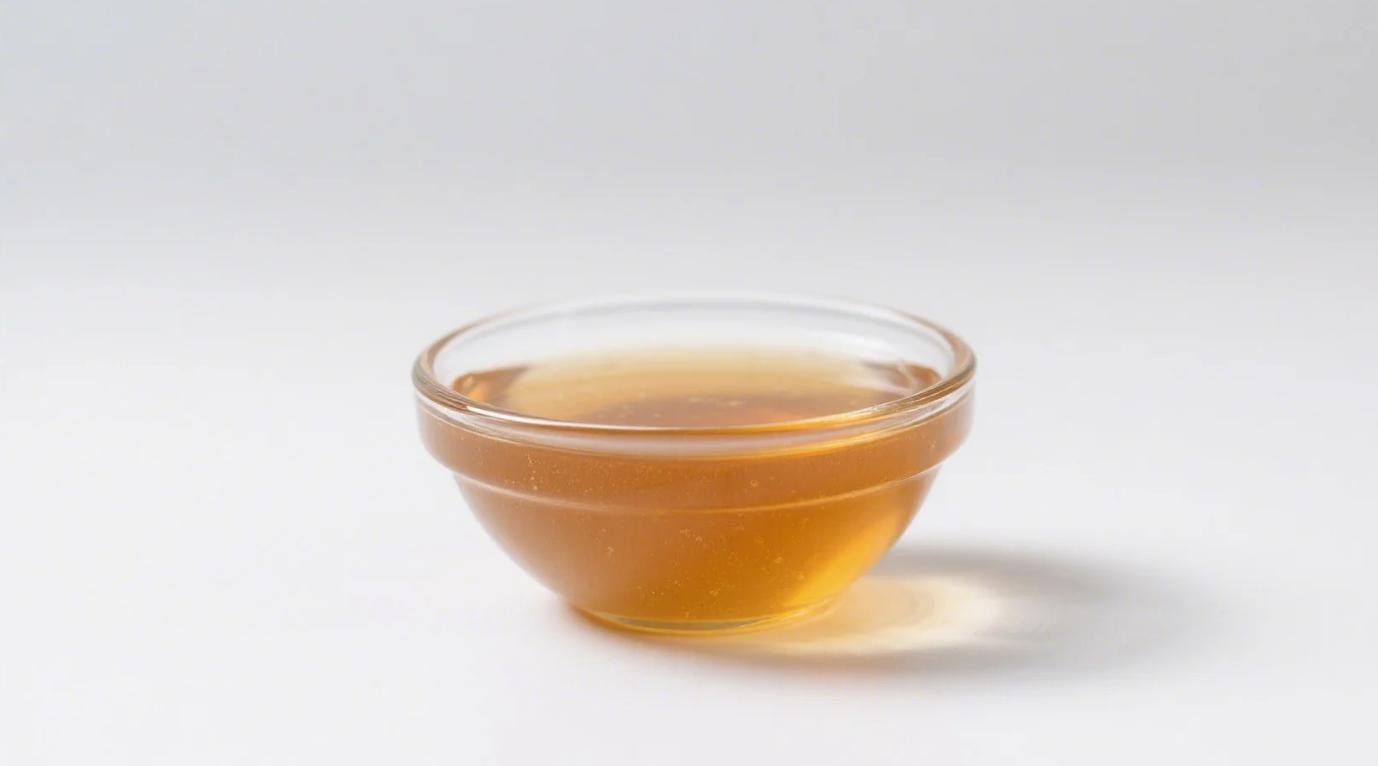
Organic Fructose Syrup is a high-purity liquid sweetener manufactured by ORGANICWAY from certified organic, non-GMO corn starch. Produced through enzymatic hydrolysis — the same fundamental process used for all corn-derived syrups — the resulting syrup undergoes further processing to achieve elevated fructose concentrations of 90%+ on a dry basis, with lower-grade options at 42% and 55% also available.
As the sweetest of all naturally occurring sugars, fructose delivers superior sweetness intensity compared to sucrose, glucose, or maltodextrin, allowing formulators to achieve target sweetness levels at significantly lower usage rates. This translates to reduced caloric density in finished products, smaller ingredient volumes, and improved cost-in-use ratios at high fructose concentrations.
Sweetness & Functional Performance
- Sweetness Intensity: 1.2–1.5x sweeter than sucrose by weight at typical usage concentrations. The sweetness advantage is concentration-dependent and most pronounced at higher syrup concentrations and in acidic beverage matrices.
- Glycemic Index (GI = 19): Like crystalline fructose, liquid fructose syrup has an exceptionally low glycemic index — approximately 4x lower than sucrose. Fructose is metabolized primarily in the liver via the hepatic portal system, providing sustained energy release without rapid blood glucose elevation.
- Flavor Enhancement: Fructose has a unique ability to amplify and extend perceived fruit flavors, particularly citrus, berry, and tropical profiles. It is widely used as a flavor carrier in beverage and fruit product formulations.
- Humectancy: Fructose’s strong hygroscopicity makes it an effective humectant, retaining moisture in baked goods, cereals, and confectionery — extending shelf life and maintaining texture quality.
- Freeze-Point Depression: Highly effective at lowering the freezing point in ice cream and frozen desserts, preventing large ice crystal formation and maintaining a smooth, creamy texture even at deep-freeze temperatures.
- Bitter Taste Masking: Fructose’s rapid sweetness onset is an effective flavor masker for the earthy, bitter notes associated with plant proteins (pea, soy, rice) in vegan beverages and nutritional supplements.
Certifications Available
USDA Organic, EU Organic (EC 834/2007), Non-GMO Project Verified, Vegan, Gluten-Free, Halal, Kosher, FSSC 22000.
Minimum Order Quantity
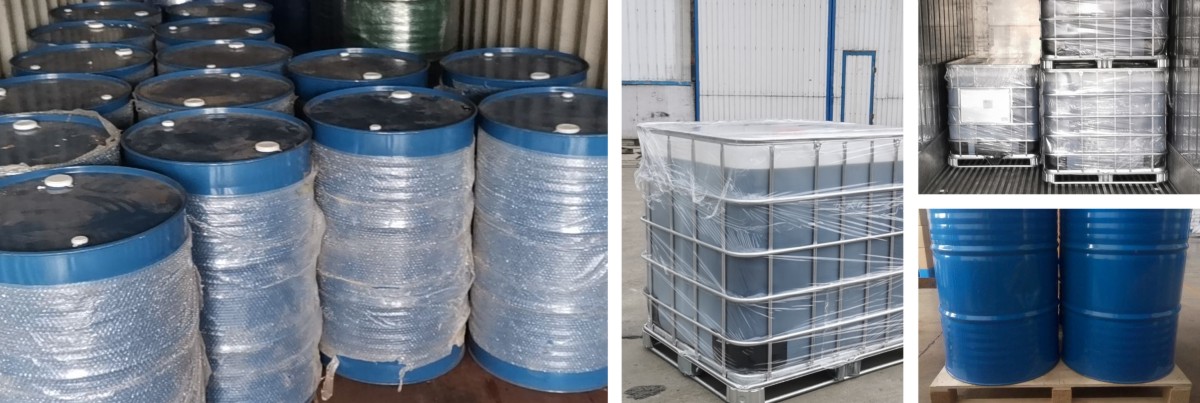
Sample quantities available for formulation trials. Commercial volumes in 300 kg drums, 1,000 L IBC tanks, or 20 MT ISO tank containers. Contact sales for quotation and lead time.
PHYSICAL & CHEMICAL PROPERTIES
Product Grades Available
| Parameter | High Purity Grade | Standard Grade | Light Grade | Test Method |
|---|---|---|---|---|
| Fructose Content (db) | ≥90% | 50–55% | 38–42% | HPLC |
| Glucose Content (db) | ≤5% | 40–45% | 55–60% | HPLC |
| Other Sugars (db) | ≤5% | ≤5% | ≤5% | HPLC |
| Dry Solids (Brix) | 70–77% | 71–80% | 71–80% | Refractometry |
| Appearance | Clear, colorless to light straw | Clear, light amber | Clear, light amber | Visual |
| pH (10% solution) | 3.5–5.0 | 3.5–5.5 | 3.5–5.5 | Potentiometric |
| Sulfur Dioxide (SO₂) | < 10 ppm | < 10 ppm | < 10 ppm | IC / Distillation |
| Ash Content | ≤0.1% | ≤0.1% | ≤0.1% | Gravimetric |
| Color (ICUMSA) | ≤ 50 IU | ≤ 100 IU | ≤ 150 IU | ICUMSA GS2/3-9 |
| Viscosity (25°C, approximate) | 500–2,000 mPa·s | 1,000–5,000 mPa·s | 2,000–8,000 mPa·s | Brookfield |
| Odor | Mild, characteristic sweet | Mild, characteristic sweet | Mild, characteristic sweet | Organoleptic |
| Taste | Clean, intensely sweet | Sweet | Sweet | Organoleptic |
Note: High-purity grade (≥90%) is recommended for formulations where maximum sweetness intensity and low-GI positioning are primary objectives. Lower-grade fructose syrups (42%, 55%) offer a balanced sweetness-to-functionality ratio suitable for confectionery, bakery, and general beverage applications. Fructose purity and grade availability vary by production run — confirm with sales.
Sweetness Comparison
| Sweetener | Relative Sweetness (vs sucrose = 1.0) | Physical Form |
|---|---|---|
| Sucrose | 1.0 | Crystalline |
| Glucose Syrup DE 42 | 0.4–0.5 | Liquid |
| Glucose Syrup DE 63 | 0.5–0.6 | Liquid |
| Fructose Syrup 55% | 1.0–1.2 | Liquid |
| Fructose Syrup 90%+ | 1.2–1.5 | Liquid |
| Organic Crystalline Fructose | 1.2–1.8 | Crystalline |
MICROBIOLOGICAL & CONTAMINANT STANDARDS
Microbiological Limits
| Test | Specification | Method |
|---|---|---|
| Total Plate Count (TPC) | ≤1,000 CFU/g | ISO 4833 |
| Yeast & Mold | ≤100 CFU/g | ISO 21527 |
| E. coli | Negative (<3 MPN/g) | ISO 16649 |
| Salmonella spp. | Negative / 25g | ISO 6579 |
| Coliforms | Negative / 1g | ISO 4831 |
Heavy Metal Limits
| Metal | Specification | Method |
|---|---|---|
| Lead (Pb) | ≤0.1 mg/kg | ICP-OES / AOAC 2015.01 |
| Arsenic (As) | ≤0.05 mg/kg | ICP-OES / AOAC 2015.01 |
| Cadmium (Cd) | ≤0.2 mg/kg | ICP-OES / AOAC 2015.01 |
| Mercury (Hg) | ≤0.05 mg/kg | ICP-OES / AOAC 2015.01 |
Regulatory & Purity Standards
- FCC (Food Chemicals Codex): Compliant with applicable syrup monographs
- EU Regulation (EC) 834/2007: Organic labeling compliant
- FDA GRAS: Self-affirmed / FDA no-objection for intended food uses
- Codex Alimentarius (CXS 212-1999): Standard for sugars
- Pesticide Residues: Compliant with EU 396/2005 MRLs for organic crops; batch-level multi-residue screen available on request
CERTIFICATIONS
| Certification | Status | Issuing Body |
|---|---|---|
| USDA Organic | Available | USDA-accredited certifier |
| EU Organic (EC 834/2007) | Available | EU-authorized certifier |
| Non-GMO Project Verified | Available | Non-GMO Project |
| Vegan | Available | Third-party vegan certifier |
| Gluten-Free | Available | GFCO or equivalent |
| Kosher | Available | Orthodox Union (OU) or equivalent |
| Halal | Available | IFANCA or equivalent |
| FSSC 22000 | Available | Accredited certification body |
COA, TDS, SDS, and Organic Transaction Certificate provided per batch. All certificates issued against the specific production batch.
APPLICATIONS & USAGE GUIDELINES
Recommended Application Sectors
| Application | Recommended Grade | Typical Usage Level | Key Functions |
|---|---|---|---|
| Carbonated & Non-Carbonated Beverages | ≥90% | 3–15% | Sweetness, flavor enhancement, clean label |
| RTD Tea & Functional Waters | ≥90% | 2–10% | Clean sweetness, heat stability in acidic pH |
| Sports & Energy Drinks | ≥90% | 5–20% | Fast energy, low GI, glycogen replenishment |
| Fruit-Flavored Dairy Drinks | ≥90% | 3–10% | Fruit flavor amplification |
| Jams, Preserves & Fruit Spreads | 42–55% | 10–30% | Sweetness, fruit flavor, anti-crystallization |
| Baked Goods & Cookies | 42–55% | 5–15% | Humectancy, browning, shelf-life extension |
| Energy & Cereal Bars | 42–55% | 10–25% | Binding, moisture retention, sweetness |
| Ice Cream & Frozen Desserts | ≥90% | 3–12% | Freeze-point depression, texture, scoopability |
| Plant-Based Protein Beverages | ≥90% | 2–8% | Bitterness masking, sweetness, dissolution |
| Confections & Hard Candy | 42–55% | 15–40% | Crystallization control, sweetness |
Fructose vs HFCS — Key Differences
| Property | Organic Fructose Syrup (≥90%) | Conventional HFCS-55 | Conventional HFCS-42 |
|---|---|---|---|
| Fructose Content | ≥90% (db) | ~55% | ~42% |
| Glucose Content | ≤5% | ~41% | ~53% |
| Organic Certification | USDA + EU Organic | Conventional | Conventional |
| Non-GMO Verified | Yes | GMO corn typical | GMO corn typical |
| Sweetness vs Sucrose | 1.2–1.5x | ~1.1x | ~1.0x |
| Glycemic Index (GI) | 19 | ~53 | ~48 |
| Synthetic Processing Chemicals | None (enzymatic only) | Caustic soda, sulfuric acid common | Caustic soda, sulfuric acid common |
| Label Declaration | “Organic Fructose Syrup” | “High Fructose Corn Syrup” | “High Fructose Corn Syrup” |
| Clean Label Positioning | Premium | Consumer scrutiny | Consumer scrutiny |
Note: Organic Fructose Syrup ≥90% achieves sweetness intensity comparable to or exceeding HFCS-55 at lower usage rates, making it a direct organic upgrade in existing formulations without significant cost-in-use penalty.
Formulation Notes
- Acidic beverage stability: Fructose is stable in acidic environments (pH 2–4), making it ideal for carbonated beverages, fruit-flavored drinks, and sports drinks.
- Invert sugar prevention: Unlike sucrose, fructose syrup at ≥90% purity does not invert (break down into glucose + fructose) over time, maintaining consistent sweetness and preventing unexpected texture changes in long-shelf-life products.
- Bitter masking: Combine high-purity fructose syrup with plant proteins (pea, soy, rice) at 2–5% inclusion to reduce perceived bitterness and earthy off-notes. The rapid sweetness onset precedes the protein’s slower-blooming bitter receptors.
- Freeze-point depression: In ice cream, each 5% addition of fructose lowers the freezing point by approximately 0.5–1.0°C. Adjust overrun and stabilizer systems accordingly when replacing sucrose or glucose syrup.
- Humectancy in bakery: Fructose’s hygroscopicity is beneficial in soft-baked products and cereal bars but may increase water activity (aw) beyond 0.85 in high-humidity environments — monitor aw and adjust preservative systems as needed.
FAQs
Q1: Is Organic Fructose Syrup the same as High Fructose Corn Syrup (HFCS)?
A: No — while both are derived from corn starch, they are fundamentally different products. Organic Fructose Syrup contains ≥90% fructose on a dry basis and is certified organic and non-GMO, produced purely through enzymatic hydrolysis. Conventional HFCS-42 and HFCS-55 are produced using additional chemical processing (caustic soda, sulfuric acid, calcium salts) and are not organic or non-GMO. HFCS-55 contains approximately 55% fructose and 41% glucose; our organic fructose syrup achieves ≥90% fructose purity. On ingredient labels, organic fructose syrup is declared as “Organic Fructose Syrup” — not “High Fructose Corn Syrup.”
Q2: How does Organic Fructose Syrup compare to table sugar (sucrose) on glycemic index?
A: Organic Fructose Syrup has a glycemic index of 19, compared to sucrose at GI 65 and glucose at GI 100. Fructose is metabolized primarily in the liver rather than entering the bloodstream directly as glucose, resulting in a slow, gradual energy release without blood sugar spikes. This makes it the preferred sweetener for low-GI certified products, diabetic-friendly formulations, and products positioned for sustained energy or metabolic health claims.
Q3: How does it perform in frozen desserts like ice cream?
A: Organic Fructose Syrup is highly effective at depressing the freezing point in frozen desserts. At 5–12% inclusion rates, it prevents the formation of large ice crystals that cause sandy or icy texture — keeping organic ice cream, gelato, and sorbet smooth and easy to scoop directly from the freezer. Fructose also contributes to a cleaner, less-cloying sweetness compared to sucrose in frozen applications, allowing for more natural fruit flavor expression.
Q4: Can it mask the off-notes or bitter taste from plant proteins?
A: Yes. Fructose’s rapid sweetness onset is particularly effective at counteracting the earthy, beany, or bitter aftertastes associated with pea, soy, rice, and hemp proteins in vegan beverages, protein shakes, and nutritional supplements. Including 2–5% organic fructose syrup in plant-protein formulations can meaningfully improve consumer sensory acceptance without materially altering the nutritional profile. This is one of the most practical functional applications for fructose in the sports nutrition and functional beverage space.
Q5: What fructose purity grades are available, and how do I choose?
A: We offer three fructose syrup grades: ≥90% high-purity (best for maximum sweetness intensity, low-GI positioning, and acidic beverages), 42% grade (similar to conventional HFCS-42, balanced sweetness and functionality for confectionery and bakery), and 55% grade (similar to conventional HFCS-55, the most common beverage-grade fructose syrup). Choose ≥90% for premium low-GI beverages and sports nutrition; choose 42% or 55% for general-purpose sweetening in applications where the functional properties of a mixed syrup balance are more important than maximum purity.
Q6: How should I handle and store Organic Fructose Syrup?
A: Store in sealed, original containers at 15–25°C, away from direct sunlight and extreme temperatures. Above 35°C, fructose syrups may darken in color over time due to Maillard browning — keep storage temperatures controlled, especially for light-colored applications. Below 10°C, viscosity increases significantly and the syrup may gel or become difficult to pump. For large-scale operations, use stainless steel or food-grade transfer equipment. Shelf life is 12 months from manufacturing date when stored as directed. Crystallization in high-purity fructose syrups can occur below 20°C — gentle warming (30–40°C with agitation) will restore fluidity.
Q7: Is the product suitable for certified organic and non-GMO labeled finished products?
A: Yes. Our organic fructose syrup carries USDA Organic, EU Organic, and Non-GMO Project Verified certifications. Each shipment includes an organic transaction certificate (OTC) documenting the organic integrity of the supply chain from field to finished product. This documentation is required for your finished product’s organic certification and supports non-GMO claims for your own product labels.
Q8: What is the minimum order quantity and lead time?
A: Sample and trial quantities are available for specification verification and formulation development. For commercial volumes, standard formats include 300 kg net weight HDPE drums, 1,000 L IBC tanks, and 20 MT ISO tank containers for large-scale production. Standard lead time is 14–21 days from confirmed purchase order. ISO tank shipments require 21–28 days lead time. Contact sales@organic-way.com with your required grade, volume, destination, and certification requirements.
Packing

Packaging Options
| Package Size | Packaging Material | MOQ | Notes |
|---|---|---|---|
| 300 kg net | HDPE drum with lid + food-grade liner | Trial | Standard commercial unit |
| 1,000 L | IBC tank (food-grade HDPE) | Standard | Most common bulk format |
| 20 MT | ISO tank container | Commercial | High-volume / dedicated supply |
| Custom | Flexi-tank / dedicated tanker | Commercial | Contract supply programs |
All packaging materials comply with EU 10/2011 and FDA 21 CFR food-contact regulations. Custom labeling, private label options, and COA customization available for contracted supply programs.
Storage Conditions
- Storage temperature: 15–25°C (cool, controlled environment)
- Avoid temperatures above: 35°C (prolonged heat causes color darkening)
- Avoid temperatures below: 10°C (viscosity increases; crystallization risk in ≥90% grades)
- Avoid: Direct sunlight, open containers, contamination
- Shelf life: 12 months from manufacturing date when stored as directed
Related Articles

Is Organic Fructose Syrup Good or Bad for You? The Bitter Truth Behind “Natural Sweeteners”
After replacing sugar with organic fructose syrup for a year—promising “healthier sweetness”—my triglyceride levels doubled, and my doctor…
Read More →
Organic Glucose Syrup vs. High Fructose Corn Syrup: A Science-Backed Showdown of Sweeteners
The debate over sweeteners often pits glucose syrup against high fructose corn syrup (HFCS), with consumers scrambling to…
Read More →
Unlocking the Power of Organic Fructose Syrup: A Sweet Solution for Health-Conscious Consumers
In the ever-evolving world of food and beverages, consumers are increasingly seeking natural, wholesome ingredients that align with…
Read More →