


Table of Contents
What is organic erythritol?
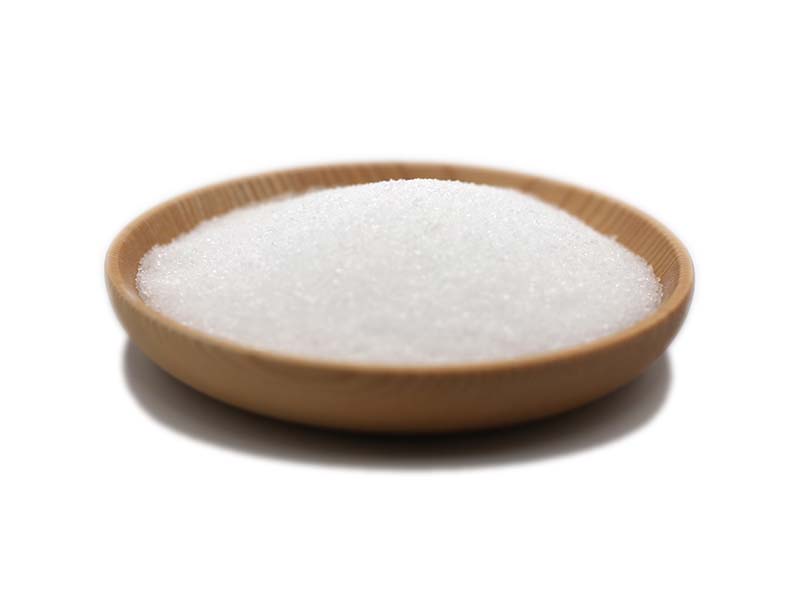
Organic Erythritol is a unique sugar alcohol (polyol) produced through the fermentation of organic glucose. Unlike other sugar alcohols, erythritol is nearly calorie-free (approximately 0.2 kcal/g, often rounded to zero), has an excellent digestive tolerance, and does not cause a glycemic response, making it perfectly suited for keto-friendly, diabetic, and low-carbohydrate formulations.

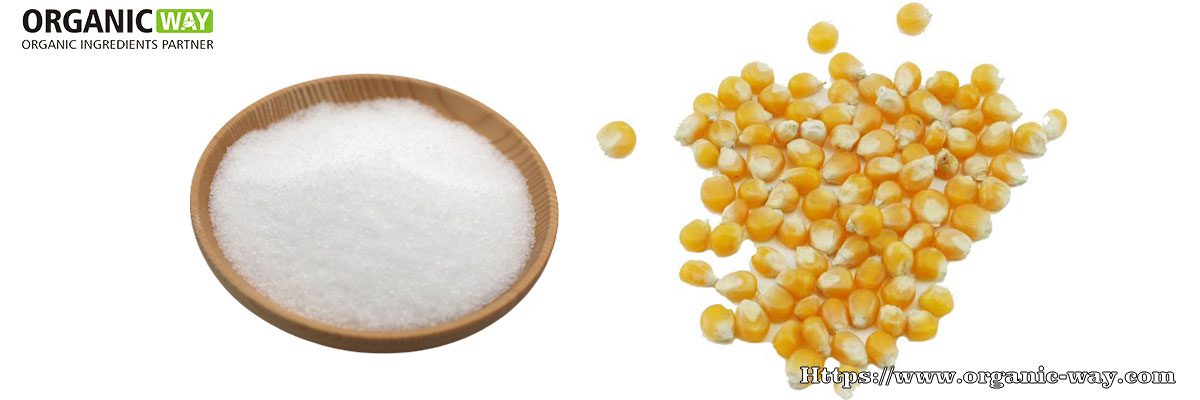
It provides about 70% of the sweetness of sucrose but boasts a clean, sweet taste with no lingering aftertaste, and a pleasant cooling sensation often desired in mints and chewing gum. Its crystalline structure and excellent solubility make it highly versatile for various applications, allowing manufacturers to create indulgent yet guilt-free products.
Specifications
| Attribute | Details |
|---|---|
| Source | Organic Glucose (from Organic Corn Starch or similar organic feedstock) |
| Processing | Fermentation, crystallization, purification, drying |
| Appearance | Fine, white crystalline powder |
| Sweetness | ~70% of sucrose |
| Caloric Value | ~0.2 kcal/g (often considered “zero-calorie”) |
| Glycemic Index | 0 (zero glycemic impact) |
| Solubility | Good solubility in water |
| Purity | Min. 99.5% Erythritol |
| Mesh Size | Typically 100 mesh or customized (e.g., 20-60 mesh, 100-200 mesh) |
| Moisture Content | Max 0.5% |
| Key Attributes | Zero calories, non-glycemic, high digestive tolerance, clean taste, excellent stability. |
Key Features
- Zero Calories & Zero Glycemic Impact: Provides sweetness without contributing to caloric intake or spiking blood sugar, making it ideal for weight management, diabetic, and keto diets.
- Clean, Sugar-Like Taste: Delivers a pure, sweet flavor profile similar to sucrose, without the bitter or metallic aftertastes often associated with artificial or high-intensity sweeteners.
- High Digestive Tolerance: Unlike many other sugar alcohols, erythritol is largely absorbed in the small intestine and excreted, minimizing digestive discomfort, even at higher intake levels.
- Excellent Solubility & Stability: Dissolves readily in water and is highly stable across a wide range of pH levels and temperatures, ensuring consistent performance in diverse formulations.
- Non-Cariogenic: Does not promote tooth decay, making it a tooth-friendly ingredient.
- Bulking Agent: Provides volume and texture similar to sugar, crucial for maintaining desired product structure in reduced-sugar formulations.
- Organic & Non-GMO Certified: Sourced from certified organic and non-genetically modified plant materials, ensuring a clean-label ingredient that resonates with health-conscious consumers.
- Versatile Functionality: Adaptable for a wide range of applications across food, beverage, and nutraceutical sectors.
Applications
Our Organic Erythritol is a highly versatile ingredient for a multitude of B2B applications across the food, beverage, and nutraceutical industries:
- Beverages:
- Low-calorie soft drinks, flavored waters, juices, and powdered drink mixes.
- Keto-friendly protein shakes and functional beverages.
- Baked Goods & Confectionery:
- Reduced-sugar cakes, cookies, muffins, breads, and pastries.
- Sugar-free chocolates, candies, chewing gum, and glazes.
- Ideal for hard candies where its cooling effect is desired.
- Dairy & Plant-Based Products:
- Low-calorie yogurts, ice creams, frozen desserts, and plant-based milk alternatives.
- Snack Foods:
- Reduced-sugar granola bars, protein bars, and savory snacks.
- Nutraceuticals & Dietary Supplements:
- Sweetener for protein powders, meal replacements, and powdered supplements.
- Used in chewable tablets or functional gummies.
- Tabletop Sweeteners:
- As a standalone organic zero-calorie sweetener or blend with other natural sweeteners.
Why Choose Our Organic Erythritol for Your Business?
Partnering with us for your Organic Erythritol needs ensures a superior, highly sought-after ingredient that aligns with major market trends and consumer demands:
- Meets Growing Consumer Demand: Directly addresses the surging market for low-sugar, keto, and diabetic-friendly products.
- Clean-Label Advantage: Our certified organic erythritol supports your brand’s commitment to natural, transparent ingredients, enhancing consumer trust.
- Exceptional Taste & Functionality: Provides all the desired sweetness and bulking properties of sugar without compromising on flavor or digestive comfort.
- Superior Quality & Consistency: We adhere to rigorous quality control measures, ensuring a reliable product with consistent functionality batch after batch, optimizing your manufacturing processes.
- Robust Supply Chain: We maintain a dependable and scalable supply chain, capable of fulfilling bulk orders efficiently and consistently.
- Comprehensive Technical Support: Our team provides detailed data sheets, Certificates of Analysis (CoAs), and expert guidance to support your R&D, formulation, and regulatory compliance needs.
FAQs
Q: What is the caloric value and glycemic index of Organic Erythritol?
A: Organic Erythritol is practically calorie-free (about 0.2 kcal/g) and has a Glycemic Index (GI) of 0, meaning it does not raise blood sugar levels.
Q: Is Organic Erythritol suitable for keto diets?
A: Yes, Organic Erythritol is highly favored in keto diets because it has zero net carbs and does not impact blood sugar or insulin levels, allowing for guilt-free sweetness.
Q: How does Organic Erythritol compare to other sugar alcohols in terms of digestive tolerance?
A: Organic Erythritol is generally considered to have the highest digestive tolerance among sugar alcohols. Over 90% is absorbed in the small intestine before reaching the large intestine, where fermentation (and potential discomfort) typically occurs with other polyols.
Q: What is the typical shelf life and recommended storage for bulk quantities of Organic Erythritol?
A: Our Organic Erythritol typically has a shelf life of 24-36 months from the manufacturing date when stored in a cool, dry place (below 75°F/24°C), away from direct sunlight and moisture, in its original sealed packaging. Specific bulk storage recommendations will be provided with your order documentation.
Q: Can Organic Erythritol be used as a 1:1 sugar replacement?
A: While it offers similar bulking properties, Organic Erythritol is about 70% as sweet as sugar. For 1:1 sweetness, it’s often blended with other high-intensity natural sweeteners (like organic stevia or organic monk fruit) in formulations.
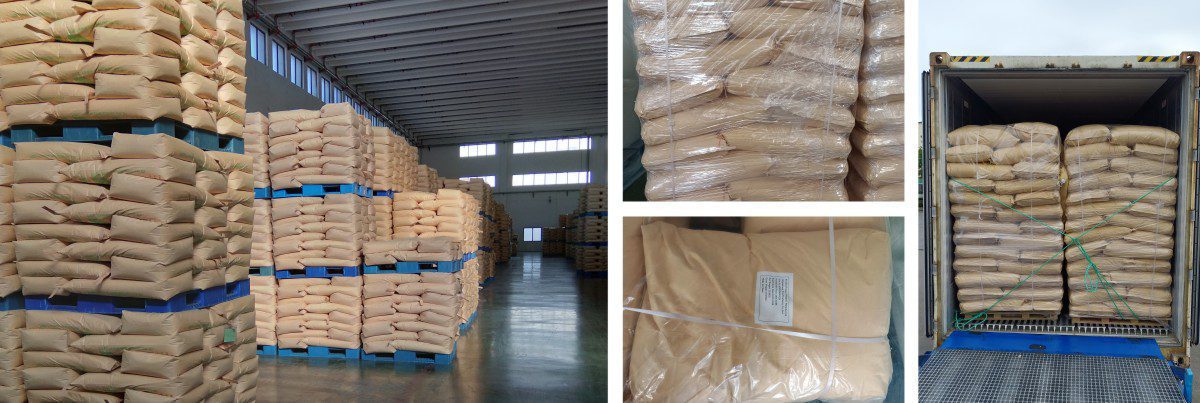
Packing

Related Articles

Why Organic Erythritol Powder Is the Best Natural Sugar Substitute for Food and Beverage Brands
In the current health-conscious market, consumers are increasingly seeking products with reduced sugar content without sacrificing taste. For…
Read More →
Is Dextrose the Same as Erythritol? The Blood Sugar Truth About Organic Powders & Syrups
Dextrose and erythritol often sit side-by-side in health stores—both white powders, both sweet—but chemically and biologically, they’re polar…
Read More →
What Is Organic Polydextrose Powder and Syrup and Why Are They Essential for Modern Food Formulation?
As the global demand for healthier, low-calorie, and high-fiber foods continues to rise, food manufacturers are under increasing…
Read More →