


Table of Contents
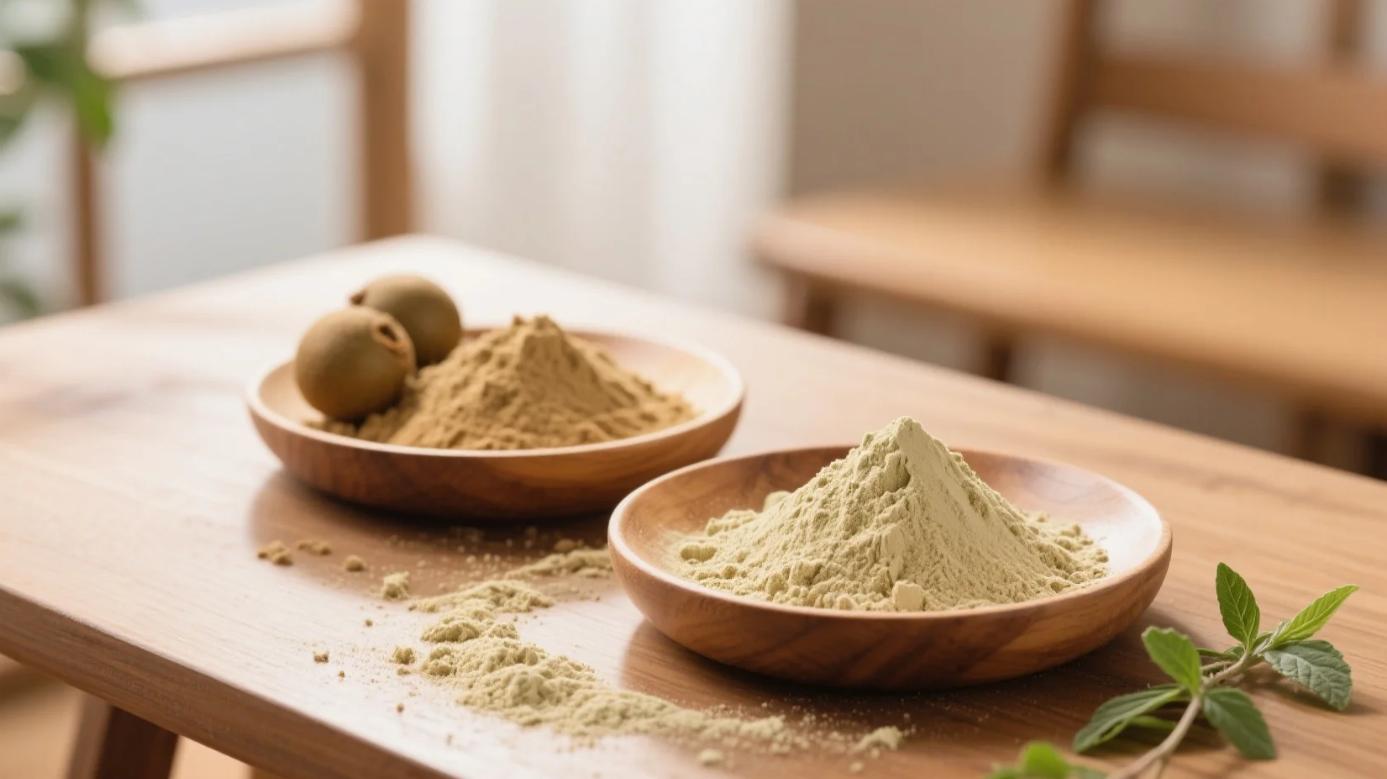
The quest for guilt-free sweetness has turned organic stevia extract powder and organic monk fruit extract powder into pantry staples. Both promise zero calories, no blood sugar spikes, and plant-powered sweetness—but which deserves the top spot in your kitchen? Let’s dive into their origins, benefits, and hidden quirks to crown the healthier choice.
The Contenders: A Quick Profile
| Factor | Organic Stevia Extract | Organic Monk Fruit Extract |
|---|---|---|
| Source | Leaves of Stevia rebaudiana plant | Pulp of Siraitia grosvenorii fruit |
| Active Compounds | Steviol glycosides (Reb A) | Mogrosides (Mogroside V) |
| Sweetness | 200–300x sweeter than sugar | 100–250x sweeter than sugar |
| Aftertaste | Bitter/licorice notes (varies by brand) | Clean, caramel-like finish |
| Regulatory Status | FDA-approved GRAS since 2008 | FDA-approved GRAS since 2010 |
Health Benefits: Head-to-Head
1. Blood Sugar & Weight Management
- Stevia: Zero glycemic impact. A 2020 Nutrition & Diabetes study linked stevia to reduced cravings and insulin resistance.
- Monk Fruit: Also zero glycemic. Animal studies suggest mogrosides may improve glucose metabolism.
- Winner: Tie.
2. Antioxidant Power
- Stevia: Mild antioxidant properties (chlorogenic acid).
- Monk Fruit: Rich in mogrosides—antioxidants shown to reduce inflammation in Journal of Functional Foods.
- Winner: Monk fruit.
3. Gut Health
- Stevia: Prebiotic potential; feeds Bifidobacteria in the colon (per 2021 Nutrients review).
- Monk Fruit: Limited gut impact but no negative effects.
- Winner: Stevia.
4. Heart Health
- Stevia: Linked to lower blood pressure in hypertensive patients.
- Monk Fruit: Mogrosides reduce LDL oxidation (key for artery health).
- Winner: Stevia edges out for direct cardiovascular data.
5. Safety Profile
- Stevia: Decades of use; safe for pregnancy and kids. Rare bloating reports.
- Monk Fruit: No known side effects but less long-term research.
- Winner : Stevia (for extensive track record).
Hidden Drawbacks
- Stevia’s Bitterness: Lower-quality extracts can taste metallic. Opt for Reb M or glucosylated stevia for cleaner flavor.
- Monk Fruit’s Cost: 2–3x pricier than stevia due to labor-intensive farming.
- Fillers Alert: Some brands mix with erythritol or dextrose. Choose 100% pure extracts.
How to Use Them Like a Pro
- Baking: Use monk fruit for caramel notes in cookies; stevia for tangy desserts like lemon bars.
- Coffee/Tea: Stevia blends well with bitter drinks; monk fruit shines in creamy lattes.
- DIY Skincare: Stevia’s antibacterial properties make it ideal for acne masks.
- Fermentation: Monk fruit won’t feed yeast—perfect for kombucha or water kefir.
Why “Organic” Matters
Non-organic stevia and monk fruit often carry glyphosate residues. Certified organic ensures:
✅ No synthetic pesticides (stevia is a pesticide “hyper-accumulator”)
✅ Non-GMO processing (some monk fruit is genetically modified for higher mogroside yields)
✅ Sustainable farming (protects soil and biodiversity)
The Verdict
Choose Stevia If: You prioritize gut health, cost-effectiveness, and decades of safety data.
Choose Monk Fruit If: You crave a sugar-like taste, want antioxidants, and don’t mind splurging.
Pro Tip: Mix both! Their flavors balance each other—try 70% monk fruit + 30% stevia for a neutral, zero-calorie blend.
You might also like

Organic Dextrose Powder
A simple, naturally derived sugar from organic corn starch, offering clean sweetness, rapid energy, and…

Organic Maltodextrin Powder
Organic maltodextrin with DE 8–20 range, neutral taste, high solubility, and multiple functional uses.

Organic Glucose Syrup
A pure, viscous liquid sweetener derived from organic corn starch, offering balanced sweetness, excellent body,…