


Table of Contents
Choosing the right organic glucose syrup is not just a technical decision – it is a strategic choice that affects flavor, texture, label claims, and consumer trust.
What makes glucose syrup “organic”
Organic glucose syrup is produced from certified organic starch (typically corn, wheat, tapioca, or potato) using processing aids and enzymes that comply with organic regulations. To qualify as organic, the entire chain must be certified: the raw material, processing steps, and final packaging all need third‑party verification under schemes such as USDA Organic or EU Organic. This means no synthetic pesticides or fertilizers in farming, no synthetic bleaching agents during processing, and strict control of genetically modified organisms.
For brands, this certification is more than a logo on the label; it is an assurance that the syrup aligns with clean‑label and sustainability positioning that today’s conscious consumers expect.
Clarify how you will use it
Before selecting a product, define where and how the organic glucose syrup will be used in your formulation. In bakery and confectionery, it is often chosen for its ability to control viscosity, prevent sugar crystallization, and retain moisture, which helps keep cakes soft and candies smooth over shelf life. In beverages and nutritional products, buyers usually prioritize neutral flavor, clarity, and a specific sweetness profile so the syrup supports, rather than masks, the core taste.
Thinking through your application—whether it is a cereal bar, gummy, drink, or dairy alternative—helps you define target sweetness, texture, and stability requirements that will later guide technical specifications such as DE value and viscosity.
Understand key technical parameters
A professional buying decision starts with a clear understanding of the technical data behind each syrup.
- Dextrose Equivalent (DE): DE indicates the degree of starch hydrolysis and strongly influences sweetness, viscosity, and fermentability. Higher DE syrups taste sweeter and are less viscous, while lower DE options are thicker and less sweet but offer better body and moisture control. Choosing the wrong DE can change cookie spread, candy firmness, or beverage mouthfeel in ways that are hard to fix later.
- Solids content and viscosity: Solids percentage and flow behavior determine how the syrup pumps, mixes, and boils in your equipment. Consistent viscosity is essential for automated dosing, coating, or extrusion processes, where small deviations can lead to weight variation or texture defects.
- Color, clarity, and flavor: For clear drinks, glazes, and gels, low color and high clarity are critical to preserve a transparent, premium appearance. A neutral taste profile ensures the syrup delivers sweetness and functionality without off‑notes that clash with delicate flavors such as vanilla, fruit, or botanicals.
- Microbiological and safety limits: Buyers should review microbiological specifications and shelf‑life studies, especially for products distributed at ambient temperatures. Tight microbiological control supports longer shelf life and reduces the risk of spoilage issues that can lead to returns or recalls.
Requesting and comparing technical data sheets and Certificates of Analysis from multiple lots will give you confidence that these parameters are controlled, not just promised.
Choose the right starch source
The starch origin behind your organic glucose syrup has implications for allergens, labeling, and sensory performance.
- Corn: Organic corn syrup remains the most common option and is widely accepted by regulators, making it a cost‑effective, versatile choice for many applications.
- Wheat: Wheat‑based syrup can offer good functionality but carries gluten, requiring clear allergen labeling under regulations like FALCPA in the US and EU 1169.
- Tapioca: Tapioca‑derived syrup is naturally gluten‑free and known for its neutral flavor and excellent clarity, making it attractive for clear beverages and visually sensitive products.
- Potato: Potato starch can also produce clear, clean‑tasting syrups that work well when color and purity are key.
Aligning starch source with your brand’s dietary promises—such as gluten‑free, allergen‑friendly, or non‑GMO—prevents conflicts between marketing and regulatory compliance.
Example table: What to look at
| Factor | Why it matters | Typical buyer focus |
|---|---|---|
| DE value | Sweetness, body, process behavior | Texture of candy, spread of baked goods |
| Starch source | Allergens, clarity, flavor | Gluten‑free, clean taste in drinks |
| Solids & viscosity | Handling, pumpability, dose accuracy | Stable processing on current lines |
| Color & clarity | Visual quality of finished product | Clear beverages, premium look |
| Micro specs | Shelf life, safety margin | Long distribution chains, export markets |
Verify organic and food safety certifications
For a professional, credible choice, certifications are non‑negotiable. On the organic side, look for current USDA Organic, EU Organic, or equivalent third‑party schemes and check that certificates explicitly cover both raw materials and processing facilities. Out‑of‑date documents or unclear scope can put your finished products at risk during audits or market inspections.
From a food safety perspective, robust management systems such as FSSC 22000 or BRCGS provide evidence that the manufacturer works under internationally recognized, GFSI‑benchmarked standards. These programs assess not only documentation but also hazard analysis, traceability, and corrective actions, giving you additional assurance beyond basic regulatory registration.
It is also important to differentiate between ingredient approvals and process controls: GRAS status or an “FDA registered facility” statement does not replace lot‑specific testing, validated cleaning procedures, or strong microbiological monitoring.
Evaluate the supplier, not just the syrup
Even the best specification loses its value if the supplier cannot deliver quality consistently at scale. Start by confirming that your potential partner is an actual manufacturer of organic glucose syrup, rather than a reseller without full control over production. Review their history, production capacity, and track record with customers in your segment, such as confectionery, beverages, or nutrition.
A structured supplier evaluation might include the following steps.
- Raw material traceability: The supplier should be able to show where the starch comes from, how it is segregated, and how they prevent cross‑contamination between GMO and non‑GMO or organic and conventional streams.
- Technical alignment: Provide your target DE, viscosity range, solids content, and allergen requirements and ask for tailored samples with full Certificates of Analysis, not generic marketing samples.
- Audit and quality culture: On‑site or third‑party audits allow you to verify filtration steps, cleaning validation (for example, segregation from honey‑ or dairy‑containing lines), and documentation practices.
- Service and logistics: Reliable lead times, buffer stock options, and responsive technical support reduce the risk of production interruptions as your volumes grow.
By focusing on both product performance and supplier reliability, you can choose an organic glucose syrup that not only fits your current formulation but also supports long‑term innovation and brand credibility.
Related Products

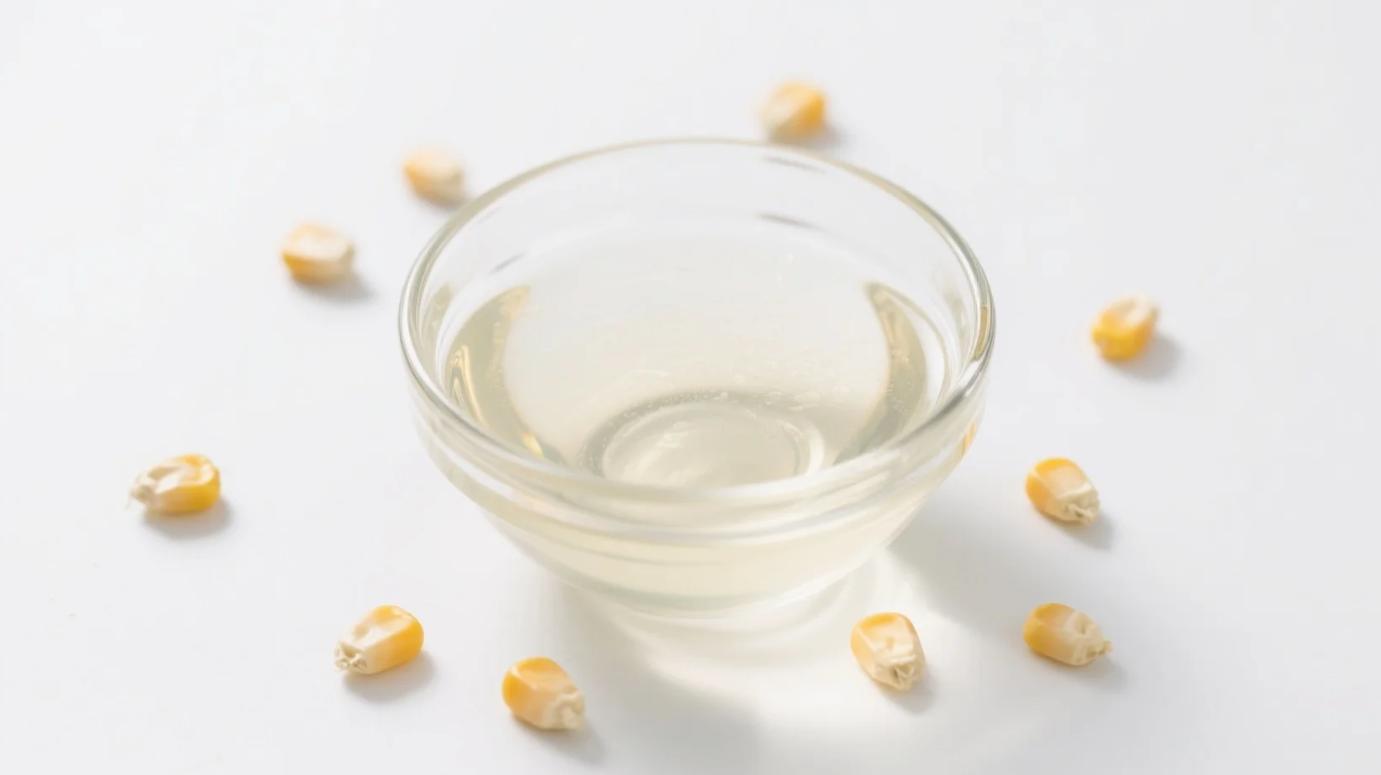
Organic Glucose Syrup
A versatile, non-GMO liquid sweetener that controls crystallization and provides essential humectancy.…

Organic Potato Starch Powder
A high-viscosity, gluten-free thickener delivering exceptional clarity and binding power. Perfect for…