


Table of Contents
What is Organic Sunflower Seed Protein Powder?
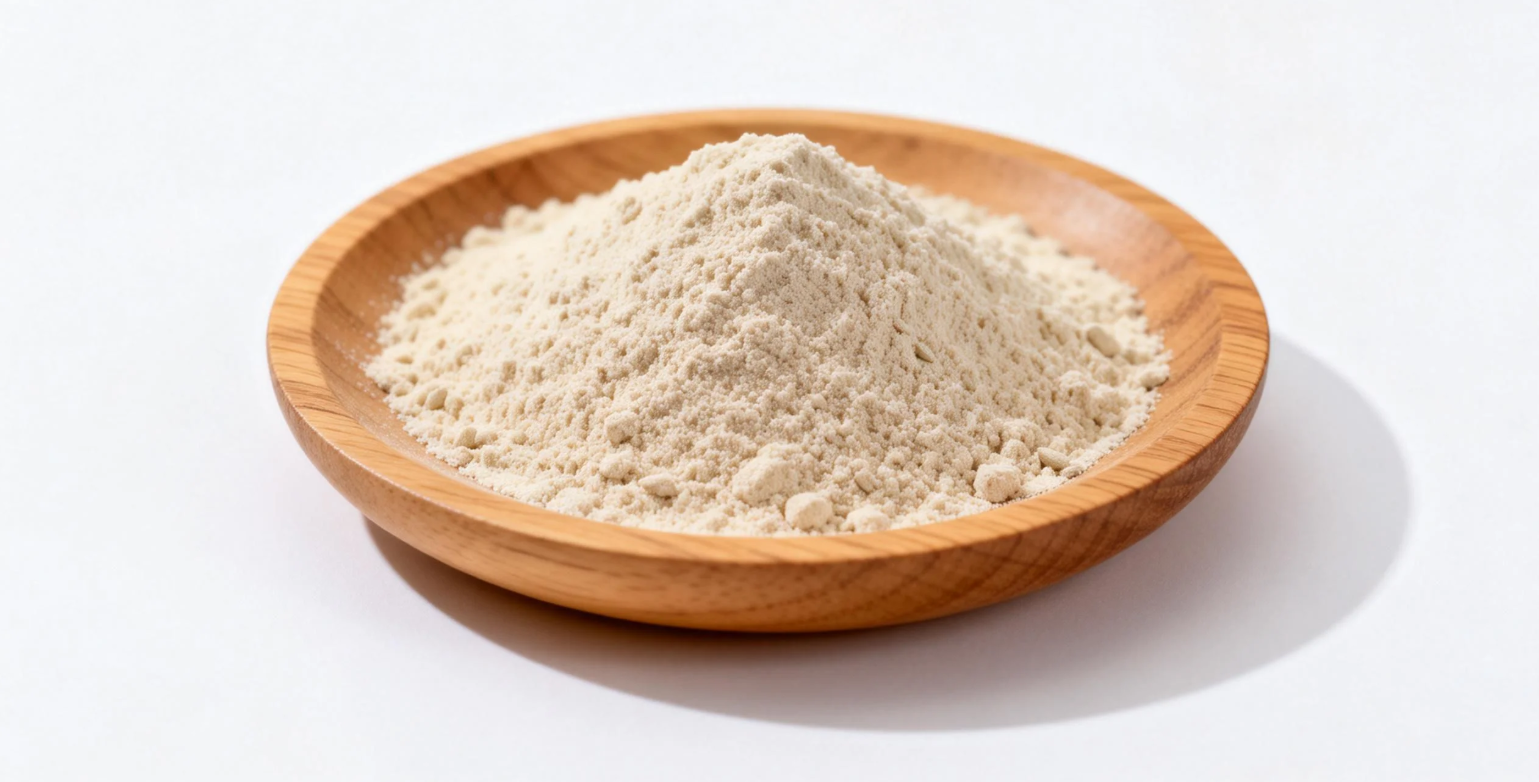
Organic Sunflower Seed Protein Powder is a clean-label, allergen-free, plant-based protein ingredient manufactured by ORGANICWAY. Derived from 100% organic, non-GMO sunflower seeds (Helianthus annuus L.), it undergoes cold-press oil extraction followed by fine-mesh milling to produce a light grey-to-greenish-beige powder in two primary protein specifications: ≥50% concentrate and ≥60% concentrate.
Unlike soy or pea proteins, sunflower seed protein does not belong to any major food allergen category (Big 9 under FDA, Annex II under EU Regulation 1169/2011), making it an ideal hypoallergenic protein source for consumers with multiple food sensitivities, as well as for brands pursuing “Top 9 Allergen-Free” labelling claims.
Nutritional & Functional Profile
Sunflower seed protein is particularly rich in glutamic acid, arginine, and branched-chain amino acids (BCAAs: leucine, isoleucine, valine), supporting muscle protein synthesis and sports nutrition applications. It also contains naturally occurring chlorogenic acid — a polyphenol antioxidant that contributes to the product’s characteristic light colour. Chlorogenic acid levels can be modulated via pH adjustment and specific processing steps for applications requiring a lighter-coloured finished product.
Production & Quality Standards
Our manufacturing facility operates under FSSC 22000 food safety certification. Each production batch undergoes:
- Protein content verification (AOAC 991.20)
- Amino acid profile analysis (HPLC-FD)
- Microbiological testing (TPC, E. coli, Salmonella, mould & yeast)
- Heavy metal screening (Pb, As, Cd, Hg via ICP-OES)
- Digestibility assessment (in vitro PDCAAS method)
- Allergen verification (Big 9 panel)
Certifications Available
USDA Organic, EU Organic, Non-GMO Project Verified, Kosher (OU), Halal (IFANCA), FSSC 22000, and Vegan Certification.
Minimum Order Quantity
MOQ: 20 kg for sample and trial orders. Commercial bulk pricing available for orders of 200 kg and above.
TECHNICAL SPECIFICATIONS
Product Grades
| Parameter | Grade A (Concentrate 60%) | Grade B (Concentrate 50%) |
|---|---|---|
| Protein Content (db) | ≥60% | ≥50% |
| Moisture | ≤8.0% | ≤8.0% |
| Ash | ≤7.0% | ≤8.0% |
| Fat | ≤8.0% | ≤10.0% |
| Fiber | ≤12.0% | ≤15.0% |
| Particle Size | ≥95% through 80 mesh | ≥95% through 80 mesh |
| Solubility (pH 7.0) | ≥60% | ≥55% |
| Bulk Density | 0.35–0.55 g/mL | 0.30–0.50 g/mL |
| Color | Light grey to greenish-beige | Light grey to greenish-beige |
| Odor/Flavor | Neutral to mildly nutty | Neutral to mildly nutty |
| pH (10% solution) | 6.0–7.5 | 6.0–7.5 |
| Digestibility | ≥90% | ≥88% |
Microbiological Standards
| Test | Limit |
|---|---|
| Total Plate Count | ≤30,000 CFU/g |
| Yeast & Mold | ≤300 CFU/g |
| E. coli | Negative (<10 CFU/g) |
| Salmonella | Negative / 25g |
| Staphylococcus aureus | ≤100 CFU/g |
Heavy Metal Standards
| Test | Limit |
|---|---|
| Lead (Pb) | ≤0.5 mg/kg |
| Arsenic (As) | ≤0.3 mg/kg |
| Cadmium (Cd) | ≤0.1 mg/kg |
| Mercury (Hg) | ≤0.1 mg/kg |
Allergen Status
| Allergen (Big 9 — FDA) | Status |
|---|---|
| Milk | Free |
| Eggs | Free |
| Fish | Free |
| Shellfish | Free |
| Tree Nuts | Free |
| Peanuts | Free |
| Wheat (Gluten) | Free |
| Soybeans | Free* |
| Sesame | Free |
*Produced in a facility that also processes soy — request allergen cross-contamination statement for your specific production lot.
Testing Methods
Protein: AOAC 991.20 / ISO 16634; Moisture: AOAC 925.09; Ash: AOAC 942.05; Fat: AOAC 920.39; Heavy Metals: ICP-OES per AOAC 2015.01; Amino Acids: HPLC-FD; Digestibility: in vitro PDCAAS (FAO/WHO 1991).
CERTIFICATIONS
| Certification | Status | Issuing Body |
|---|---|---|
| USDA Organic | Available | USDA-accredited certifier |
| EU Organic | Available | EU-authorized certifier |
| Non-GMO Project Verified | Available | Non-GMO Project |
| Kosher (Pareve) | Available | Orthodox Union (OU) |
| Halal | Available | IFANCA |
| FSSC 22000 | Available | Accredited certification body |
| Vegan | Available | Vegan Society / equivalent |
| Allergen-Free (Big 9) | Verified per batch | Third-party laboratory |
COA, SDS, and TDS provided with every batch. Organic certificate, Non-GMO verification, and Kosher/Halal certificates available on request.
APPLICATIONS & USAGE GUIDELINES
Recommended Application Sectors
| Application | Recommended Dosage | Notes |
|---|---|---|
| Protein Bars & Energy Balls | 15–30% | Good binding; neutral flavor blends easily |
| Nutritional Protein Shakes | 10–20% | Smooth texture; no beany/grassy aftertaste |
| Functional Beverages & RTD | 5–15% | Use 60% grade for cleaner suspension |
| Plant-Based Meat Analogs | 10–20% | Excellent emulsification; meat-like texture |
| Plant-Based Dairy (Cream, Cheese) | 5–15% | Neutral flavor; emulsification properties |
| Sports & Fitness Supplements | 20–40% | Combine with pea protein for full amino acid coverage |
| Allergen-Free Nutrition Formulas | 10–30% | Top 9 allergen-free; suitable for sensitive populations |
| Baking Mixes (Bread, Muffin) | 5–15% | Heat-stable; adds nutrition without altering bake texture |
| Pet Food Formulations | 5–20% | Allergen-free; palatable protein source |
| Infant / Clinical Nutrition | 5–15% | Verify suitability with regulatory team; allergen-free advantage |
Formulation Notes
- Chlorogenic acid & color: Sunflower seed protein contains naturally occurring chlorogenic acid, which can cause greening/darkening in alkaline conditions (pH >7.5) or upon oxidation. For applications requiring light color (e.g., white protein shakes), maintain pH 5.5–7.0 and consider antioxidant addition (ascorbic acid) or use pH-adjusted grades.
- Flavor profile: Neutral to mildly nutty — significantly less “beany” than pea or soy. Pairs well with vanilla, chocolate, caramel, berry, and unflavored profiles.
- Emulsification: Sunflower protein demonstrates excellent emulsification capacity — superior to many plant proteins for dairy analog applications.
- Solubility: Best at pH 6.0–7.5. Below pH 4.0, precipitation may occur. Pre-disperse in water before acidifying for beverage formulations.
- Protein blending: For complete amino acid profile, blend sunflower protein (30%) with pea protein (70%) — this combination achieves PDCAAS approaching 0.90+ and covers lysine deficiency.
FAQs
Q1: Is sunflower protein a common food allergen?
A: No. Sunflower seeds are not classified as a “Big 9” food allergen under FDA regulations (milk, eggs, fish, shellfish, tree nuts, peanuts, wheat, soybeans, sesame) or a listed allergen under EU Regulation 1169/2011. This makes organic sunflower seed protein one of the most allergen-friendly plant protein ingredients available, ideal for manufacturers targeting multi-allergen-free, clean-label, or specialty dietary formulations. Please request our allergen cross-contamination statement for full facility allergen status details.
Q2: How does sunflower protein digestibility compare to whey and pea protein?
A: Organic sunflower seed protein achieves an in vitro digestibility of ≥90%, which is comparable to whey protein (≥95%) and superior to many plant proteins such as hemp (~85%) or wheat gluten (~75%). The cold-press extraction method preserves native protein structures and avoids denaturation from high-temperature solvent extraction, contributing to this high digestibility. For complete PDCAAS comparisons, request our technical data sheet or amino acid analysis COA.
Q3: Does sunflower protein have a strong flavor that affects food products?
A: No. Unlike pea protein (earthy, beany) or soy protein (strong beany, bitter), organic sunflower seed protein has a neutral to mildly nutty flavor profile — making it one of the most flavor-versatile plant proteins for clean-label food applications. It blends readily with vanilla, chocolate, fruit, and unflavored product formats without requiring masking agents. Minor flavor variability may occur between production batches due to natural variation in chlorogenic acid content — request a sample for sensory evaluation before full commercial formulation.
Q4: What is cold-pressing and why does it matter for protein quality?
A: Cold-pressing is a mechanical oil extraction method that uses hydraulic pressure at ambient or low temperatures — without hexane, heat, or chemical solvents — to separate the oil from the seed mass. The remaining protein-rich meal is then milled to produce protein powder. This method preserves the native protein structure (avoiding heat denaturation), retains heat-sensitive micronutrients, and eliminates hexane residue concerns. For food manufacturers targeting clean-label, “no chemical solvent” claims, cold-pressed sunflower protein is the preferred technical specification.
Q5: What is the minimum order quantity and what documentation is provided?
A: MOQ is 20 kg for sample and development orders, enabling formulation trials before commercial commitment. For commercial orders, standard lead time is 14–21 days from order confirmation. Documentation provided with each batch includes: Certificate of Analysis (COA), Technical Data Sheet (TDS), Safety Data Sheet (SDS), organic certificate, and allergen cross-contamination statement. Kosher, Halal, and Non-GMO certificates are available on request.
Q6: How does sunflower protein compare to pea protein and soy protein?
A: Sunflower protein’s key advantages over pea and soy are: (1) Allergen-free — not a Big 9 allergen, unlike soy; (2) Flavor — neutral vs. earthy/beany pea or soy; (3) Emulsification — superior oil-in-water emulsification vs. pea protein; (4) Clean-label appeal — cold-pressed, no solvent, non-GMO. Trade-offs: lower protein concentration (50–60%) vs. pea isolate (80–85%) or soy isolate (90%+), and lower lysine content. For a balanced formulation, sunflower:pea blends (30:70) deliver both allergen-free credentials and a complete amino acid profile.
PACKAGING & STORAGE

Packaging Options
| Package Size | Packaging Material | MOQ |
|---|---|---|
| 1 kg | Aluminum foil pouch | Trial |
| 5 kg | Aluminum foil pouch | Trial |
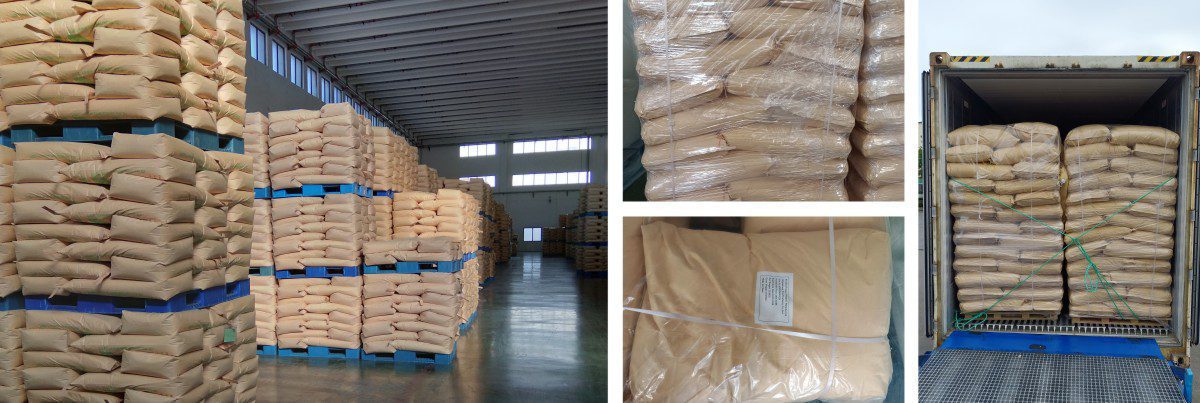
| 20 kg | Kraft paper bag + PE liner | Standard |
| 25 kg | Kraft paper bag + PE liner | Standard |
| Bulk bag | 25 kg or 500 kg FIBC | Commercial |
Custom packaging (private label, branded bags, nitrogen flush) available for orders ≥500 kg.
Storage Conditions
- Storage temperature: 0–25°C (cool, dry place)
- Relative humidity: ≤60% RH
- Avoid: Direct sunlight, moisture, oxidative environments, strong odors
- Shelf life: 24 months from manufacturing date when stored as directed
- Special note: Sunflower protein contains residual chlorogenic acid and trace polyunsaturated fatty acids. Nitrogen-flushed or vacuum-sealed packaging is strongly recommended for orders stored in warm climates or for extended shelf life. Discoloration (greening) may occur if product is exposed to oxygen, alkaline conditions, or high humidity.
After Opening
- Transfer immediately to airtight container
- Keep in cool, dry conditions (≤20°C preferred)
- Use within 30–60 days after opening original packaging
- Do not expose to moisture or direct air
Shipping
- International shipping available (air freight and sea freight)
- Temperature-controlled options for long transit or tropical climates
- Each shipment includes COA, bill of lading, and commercial invoice
Related Articles

Organic Sunflower Seed Protein Powder for Plant-Based Food Manufacturers: Benefits and Applications
Plant-based food manufacturers face increasing pressure to deliver products that meet high standards for nutrition, taste, sustainability, and…
Read More →
What Is Organic Sunflower Seed Protein Powder and How Is It Used in Clean-Label Foods?
As demand for clean-label, plant-based, and allergen-friendly foods continues to rise, food manufacturers are actively searching for alternative…
Read More →
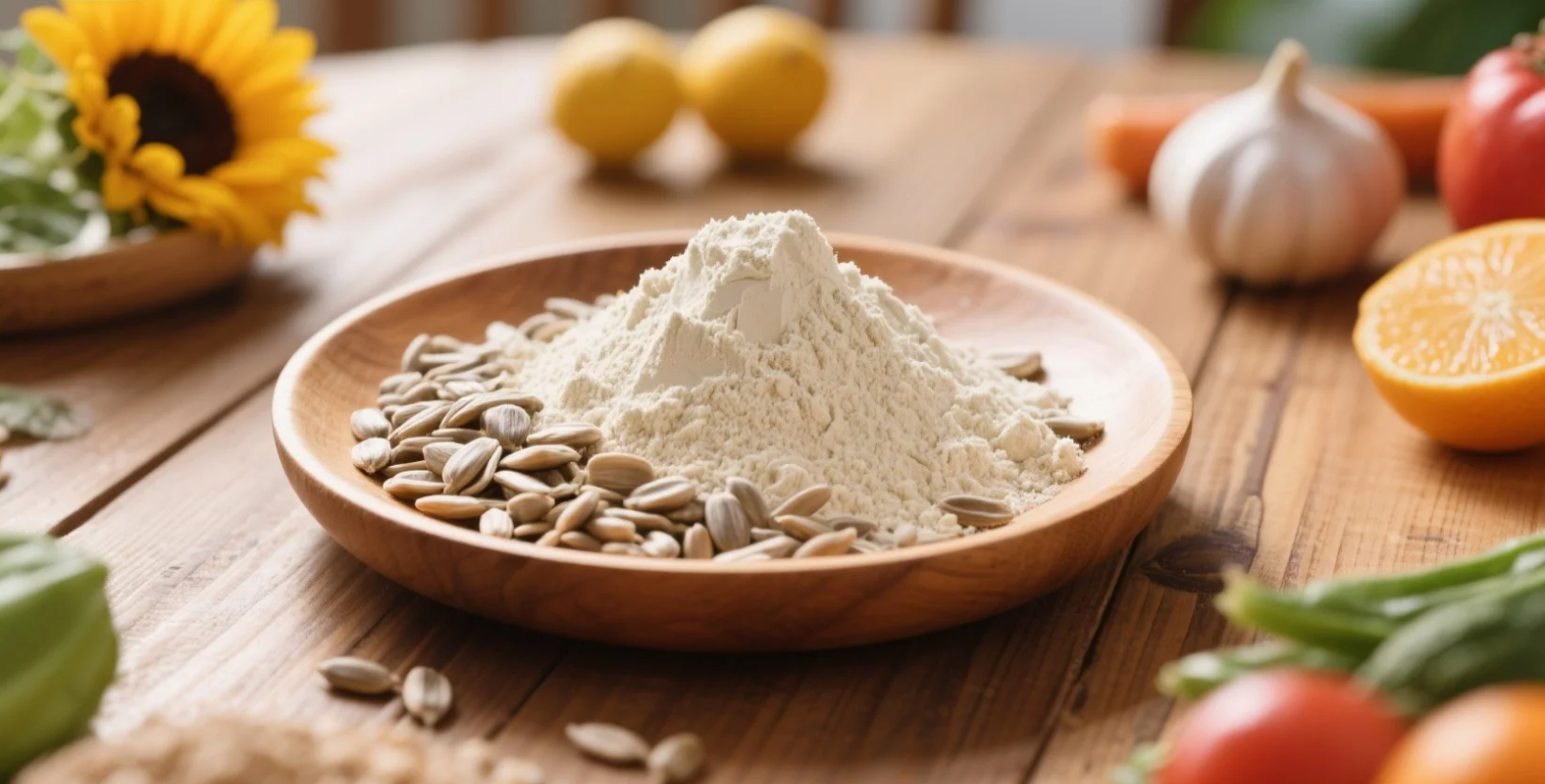
How Organic Sunflower Seed Protein Enhances Plant-Based Meat and Dairy Alternatives
As the plant-based food industry evolves, formulators are constantly searching for sustainable and allergen-free protein sources that can…
Read More →