


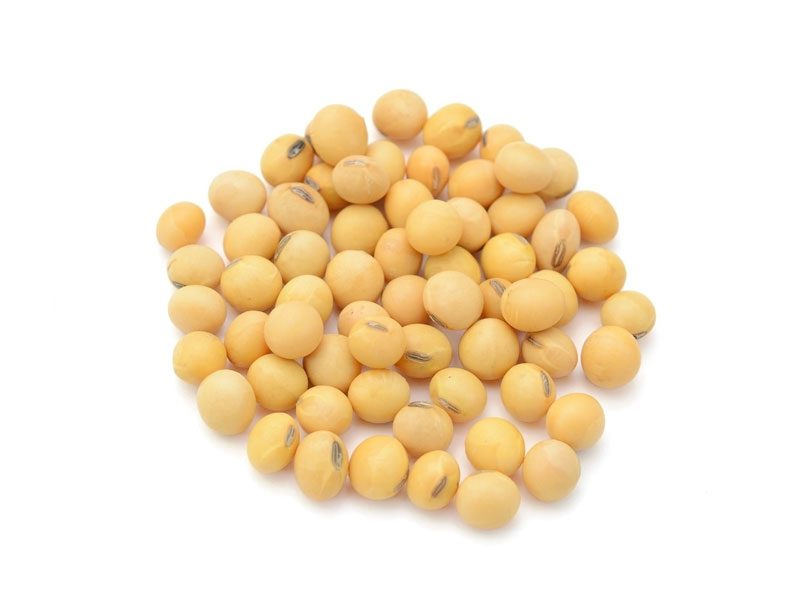
Glycine max, commonly known as soybean in North America or soya bean,is a species of legume native to East Asia, widely grown for its edible bean which has numerous uses. The plant, classed as an oilseed rather than a pulse by the UN Food and Agriculture Organization, produces significantly more protein per acre than most other uses of land.
Fat-free (defatted) soybean meal is a significant and cheap source of protein for animal feeds and many packaged meals. For example, soybean products, such as textured vegetable protein (TVP), are ingredients in many meats and dairy substitutes. The beans contain significant amounts of phytic acid, dietary minerals, and B vitamins. Soy vegetable oil, used in the food and industrial applications, is another product of processing the soybean crop. Traditional non-fermented food uses of soybeans include soy milk from which tofu and tofu skin are made. Fermented soy foods include soy sauce, fermented bean paste, natto, and tempeh.
The main countries growing soybeans are the United States (32% of the world total, 2016 forecast), Brazil (31%), and Argentina (18%).
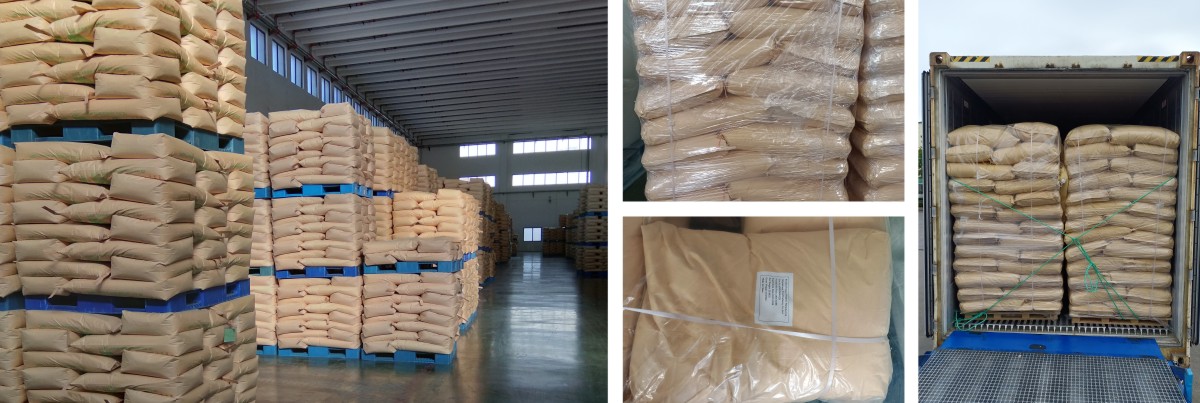
Packing

Related Articles

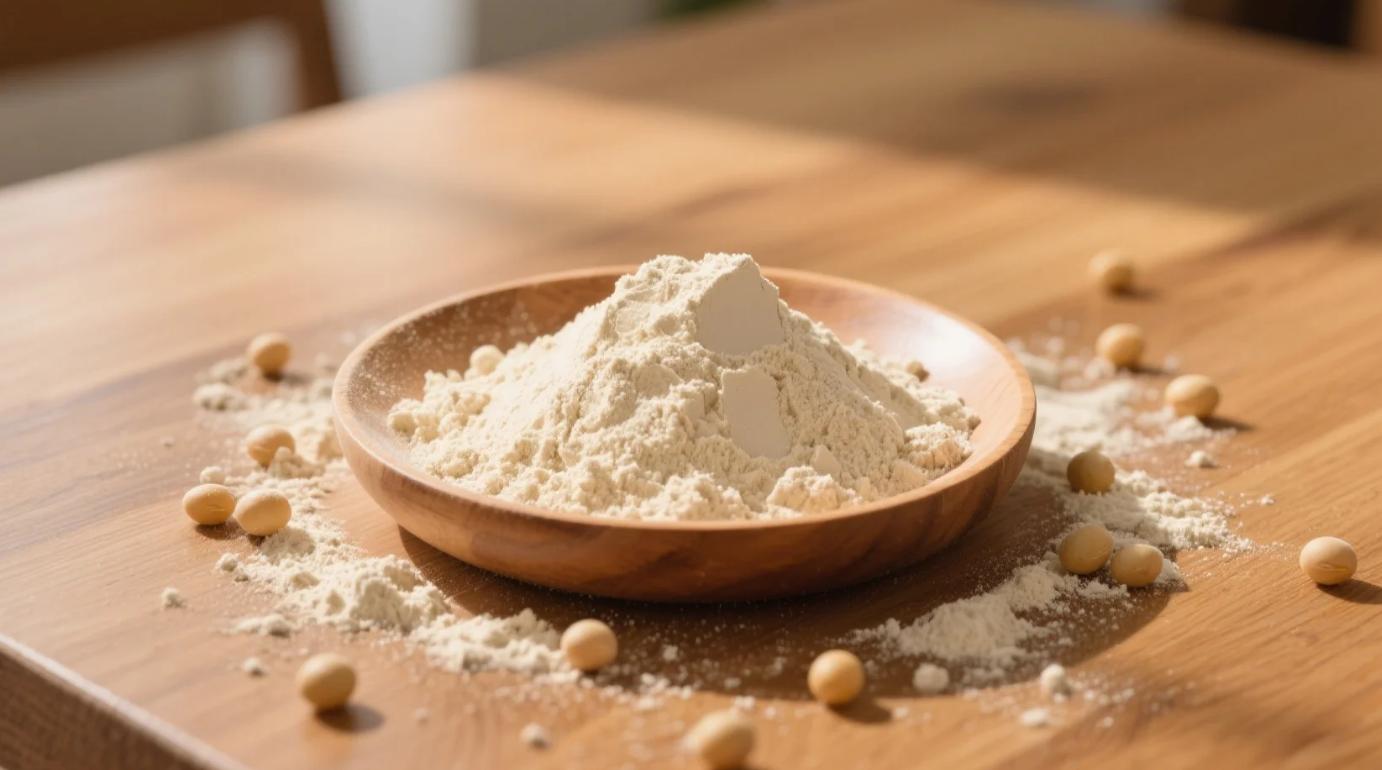
Is Soy Protein Good or Bad? The Truth About Organic Soy Protein Powder
The debate over soy protein has raged for decades: Is it a plant-powered superfood or a hormone-disrupting risk?…
Read More →

Which Is Better, Whey or Soy Protein? The Organic Soy Protein Powder Advantage
The protein supplement aisle can be overwhelming, with whey protein and soy protein powder both claiming supremacy. But which one truly aligns…
Read More →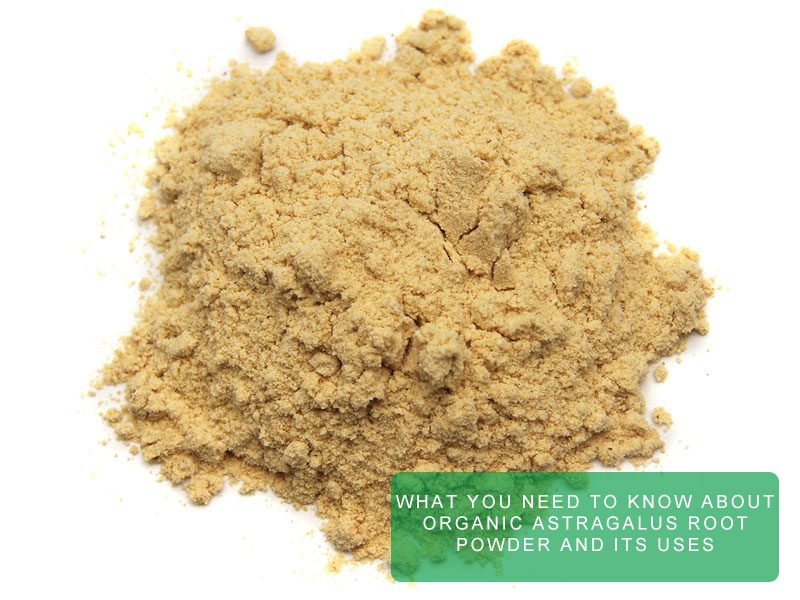
What You Need to Know About Organic Astragalus Root Powder and Its Uses
Organic astragalus root powder is a natural and high-quality product that can provide various health benefits for your…
Read More →