


Table of Contents
What is Organic Resistant Dextrin?
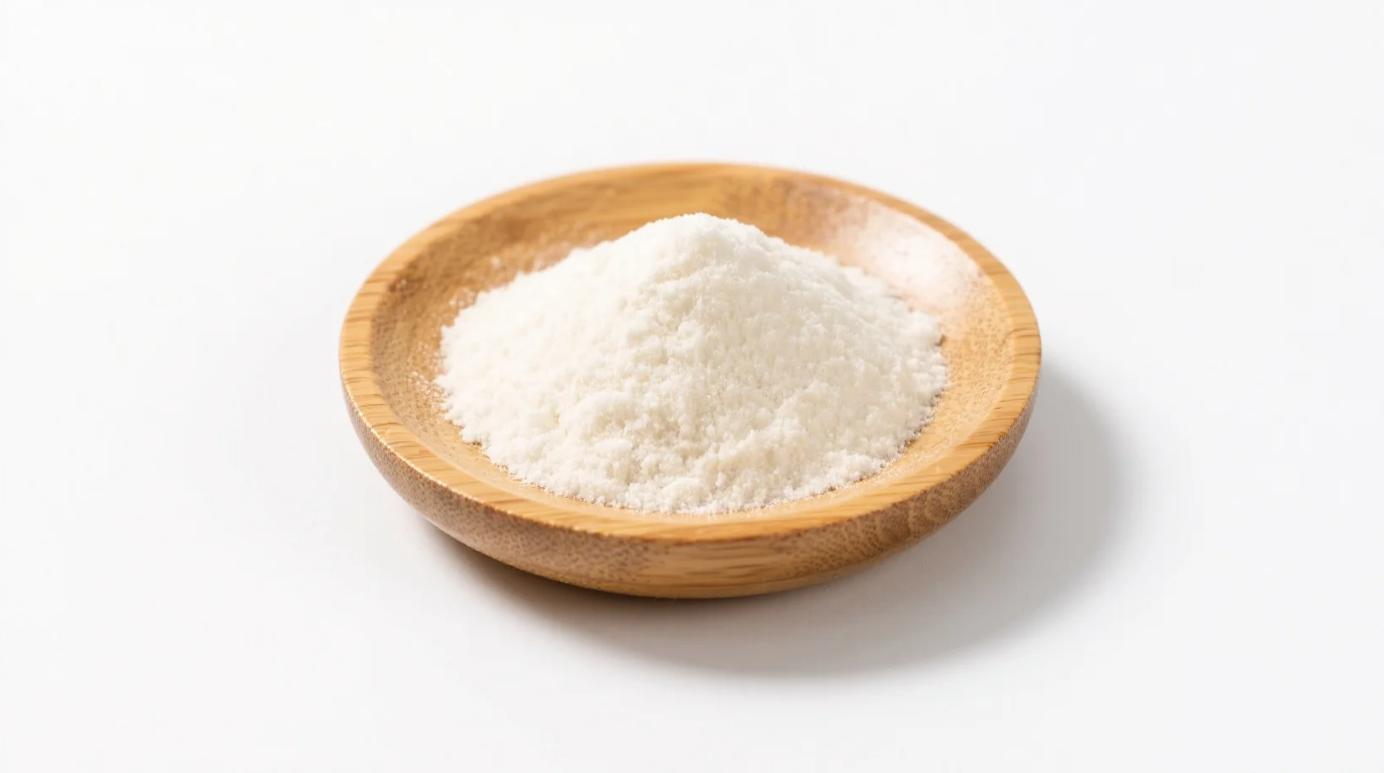
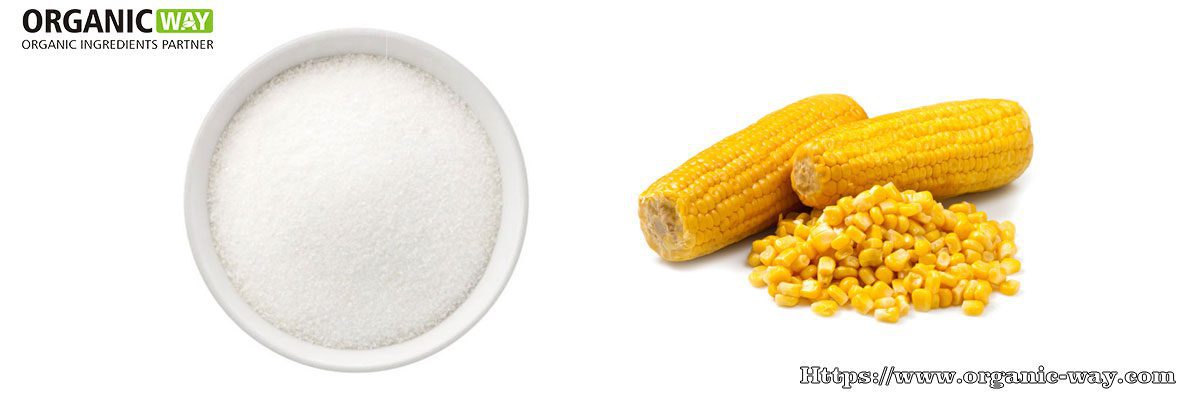
Organic Resistant Dextrin (also known as Organic Soluble Corn/Tapioca Fiber) is a highly soluble, non-viscous dietary fiber produced from the controlled enzymatic hydrolysis of 100% organic, non-GMO starch. Unlike standard dextrin, it is specifically engineered to “resist” digestion in the small intestine, reaching the colon where it acts as a powerful prebiotic.
Available in both Organic Resistant Dextrin Powder and Organic Resistant Dextrin Syrup, this ingredient is the “holy grail” for formulators: it provides all the physiological benefits of fiber without affecting the taste, clarity, or texture of the final product.

Why is Resistant Dextrin the preferred fiber for modern formulations?
The primary challenge with traditional fibers (like inulin or cellulose) is their impact on sensory profiles—often causing grittiness, thickening, or digestive discomfort. Organic Resistant Dextrin solves these issues. It is nearly tasteless, 100% soluble, and exceptionally stable under heat and acid. Furthermore, it has a high digestive tolerance, meaning it supports gut health and regular blood sugar levels without the gas or bloating associated with other fiber sources. For “Keto,” “Low-GI,” and “Clean Label” brands, it is the ultimate tool for fiber fortification.
How do the Powder and Syrup specifications differ?
We provide two formats to ensure seamless integration into any manufacturing process, whether dry-blend or liquid-fill.
| Attribute | Organic Resistant Dextrin Powder | Organic Resistant Dextrin Syrup |
|---|---|---|
| Physical State | Fine, white free-flowing powder | Clear, colorless viscous liquid |
| Dietary Fiber Content | ≥ 85% or ≥ 90% | ≥ 70% or ≥ 75% (on dry basis) |
| Solids (Brix) | ~ 95% | 70% – 75% |
| Sweetness | ~ 10% of Sucrose (Nearly neutral) | ~ 15% of Sucrose (Mildly sweet) |
| Solubility | Excellent, even in cold water | Instantly miscible |
| Main Use Case | Supplements, Bakery, Powder Mixes | Beverages, Dairy, Confectionery |
What are the technical standards of our Organic fiber?
Our organic mechanical and enzymatic processing ensures a high molecular weight distribution that maximizes prebiotic efficacy.
| Attribute | Specification Details |
|---|---|
| Common Names | Soluble Vegetable Fiber, Digestion Resistant Maltodextrin |
| Source | 100% Organic Non-GMO Corn or Tapioca |
| Caloric Value | ~ 1.5 – 2.0 kcal/g (Low calorie) |
| Glycemic Index | Low (Minimal impact on blood glucose) |
| Stability | Acid-stable (pH 2.5+) and Heat-stable (up to 160°C) |
| Moisture (Powder) | ≤ 5.0% |
| Dietary Suitability | Vegan, Gluten-Free, Non-GMO, Organic, Keto-Friendly |
Which high-performance applications benefit most from this fiber?
Because it remains “invisible” in formulations, its applications are nearly limitless:
- Beverages & RTDs: Adds dietary fiber to water, juices, and soft drinks without increasing viscosity or cloudiness.
- Bakery & Snacks: Improves moisture retention and extends shelf life in breads while allowing for “High Fiber” claims.
- Confectionery: Used in sugar-free gummies and chocolates as a bulking agent to replace the structural volume of sugar.
- Dietary Supplements: The perfect “clean” carrier for probiotic or vitamin sachets due to its low hygroscopicity.
- Dairy Alternatives: Provides a smoother mouthfeel in plant-based milks and yogurts, mimicking the “body” of full-fat dairy.
How to Use: What are the best practices for formulation?
- Sugar Replacement: Use Organic Resistant Dextrin Syrup as a 1:1 replacement for traditional syrups in applications where you want to reduce calories and “Added Sugars” while maintaining bulk.
- Fiber Fortification: To achieve a “Good Source of Fiber” claim (USA), include 3g to 5g per serving. The powder dissolves instantly without clumping.
- Maintaining Clarity: In transparent beverages, the syrup provides 100% clarity and a clean finish with no “filmy” aftertaste.
- Stability in Processing: It can be added before UHT treatment or high-temperature baking; it will not degrade into simple sugars or lose its fiber count.
FAQs
Q: Is Resistant Dextrin better for the gut than Inulin?
A: Both are prebiotics, but Resistant Dextrin has a much higher digestive tolerance. Consumers can typically ingest up to 30g-45g per day without the flatulence or distress often caused by inulin at much lower doses.
Q: Does it affect the “Net Carb” count for Keto products?
A: Yes. Because it is a non-digestible fiber, it is typically subtracted from Total Carbohydrates to calculate Net Carbs, making it a favorite for ketogenic snack formulations.
Q: How does it behave in high-acid environments?
A: It is exceptionally stable down to pH 2.5. Unlike other fibers that might break down into glucose (and thus increase calories/sugar) in acidic sodas or juices, resistant dextrin remains intact.
Q: Can it be labeled as “Soluble Vegetable Fiber”?
A: Yes, depending on local regulations (such as FDA or EFSA), it can often be labeled as “Organic Soluble Corn Fiber” or “Organic Resistant Dextrin,” providing a clean, recognizable name for consumers.
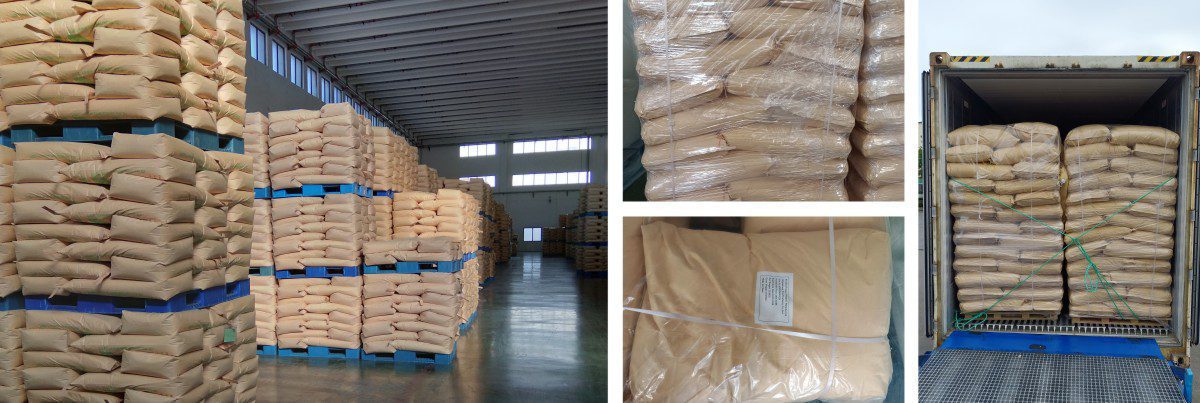
Packing

Related Articles

Why Organic Resistant Dextrin Is Gaining Momentum in Modern Food Formulation
As global demand for clean label, low-sugar, and fiber-enriched products continues to rise, food and beverage manufacturers are…
Read More →

Organic FOS vs. Other Prebiotic Fibers: Which One Is Best for Your Product Formulation?
Introduction: The Prebiotic Ingredient Choice As consumers increasingly seek functional foods and beverages that support digestive health, manufacturers…
Read More →
Formulating Low-Sugar Functional Foods with Organic Dextrose Powder
The global shift toward low-sugar, health-oriented foods has reshaped the food and beverage industry. Modern consumers want products…
Read More →