


Table of Contents
What is Organic pea starch powder?
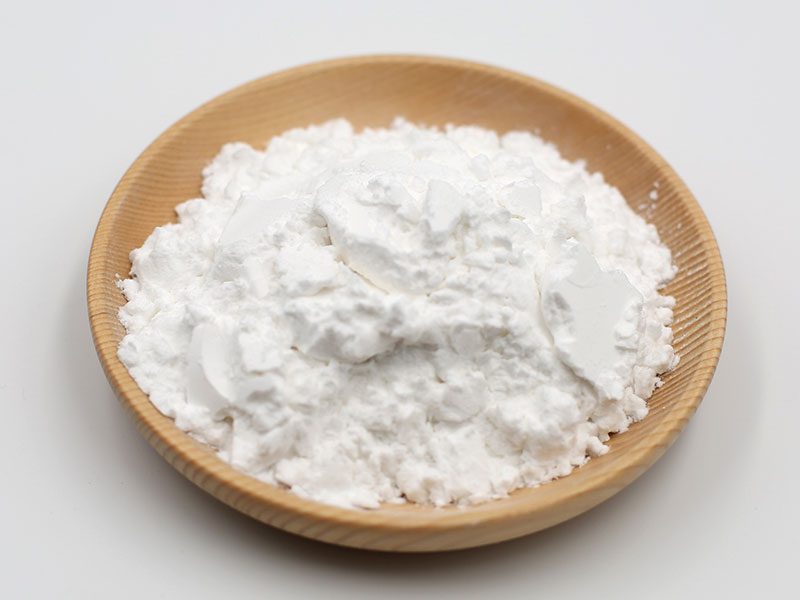
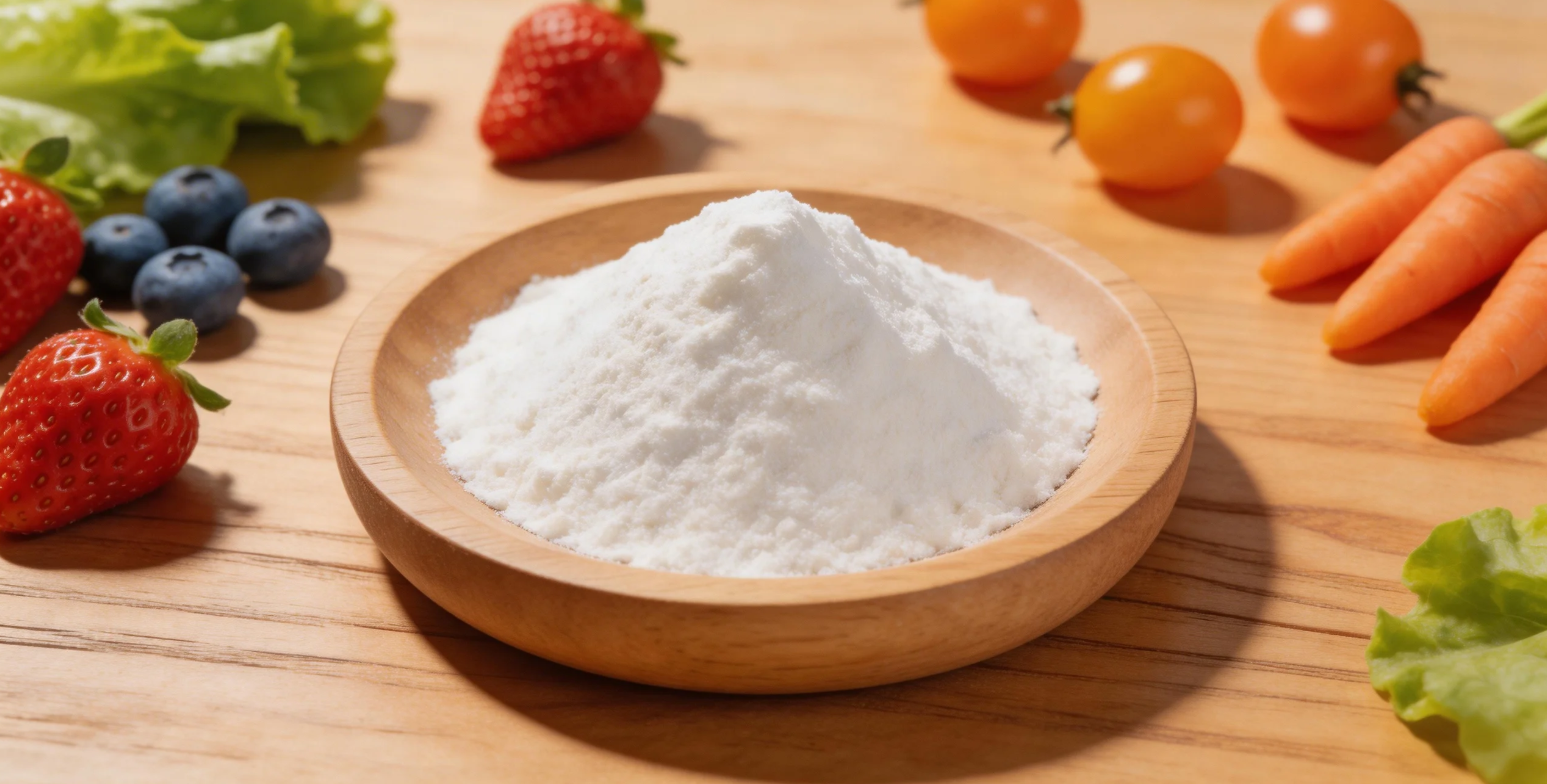
Organic Pea Starch Powder is a high-performance carbohydrate extracted from 100% organic yellow peas (Pisum sativum). While corn and potato starches are industry staples, pea starch is the “strong, silent type”—prized for its exceptionally high amylose content (approx. 35%). This unique molecular structure allows it to form firm, resilient gels and maintain superior stability under high heat, shear, and acidic conditions. It is the ultimate non-GMO, gluten-free, and allergen-friendly solution for manufacturers who refuse to compromise on texture or label transparency.
What makes Organic Pea Starch a functional powerhouse?
The secret to our Organic Pea Starch lies in its “retrogradation” speed. Because of its high amylose levels, it sets into a firm gel much faster and more robustly than corn or tapioca starch. It provides a unique “short” texture (non-stringy) and excellent film-forming properties. For brands looking to remove “Modified Food Starch” from their labels, organic pea starch is a natural, native alternative that mimics the performance of chemically modified starches in demanding industrial processes like extrusion and high-temperature retorting.
What are the technical specifications of our Organic grade?
We maintain strict control over the purity and viscosity of our starch to ensure it meets the rigorous demands of automated food production.
| Attribute | Specification Details |
|---|---|
| Common Names | Organic Yellow Pea Starch, Native Pea Starch |
| Source | 100% Organic Non-GMO Yellow Peas |
| Appearance | Fine, white to off-white powder |
| Starch Content | ≥ 98% |
| Amylose Content | 30% – 35% (High Amylose) |
| Moisture Content | ≤ 13% |
| pH Level | 5.5 – 7.5 |
| Gelatinization Temp | 70°C – 80°C (Higher than potato/corn) |
| Dietary Suitability | Vegan, Gluten-Free, Non-GMO, Organic, Grain-Free |
In which applications does Pea Starch outperform others?
Organic Pea Starch is specifically sought after for its ability to create structure and provide resilience:
- Glass Noodles & Vermicelli: The gold standard for transparent, “bouncy” noodles that don’t break down during boiling.
- Confectionery (Gummies & Jelly): Provides a firm, clean-bite texture for vegan gummies, serving as an excellent alternative to gelatin or modified starches.
- Meat & Plant-Based Analogs: Acts as a high-strength binder that retains moisture and fat, improving the “sliceability” of vegan deli meats.
- Extruded Snacks: Enhances the expansion and crispiness of puffed snacks while maintaining structural integrity.
- Bakery Products: Used in gluten-free flour blends to provide the “structure” that is usually lost without gluten.
How to Use: Best practices for optimal gelatinization?
To unlock the full gelling potential of pea starch, follow these professional guidelines:
- Create a Slurry: Always mix the powder with room-temperature water first. Because it has a higher gelatinization temperature than other starches, adding it directly to boiling liquid will cause “clumping.”
- Heat it High: Pea starch requires a slightly higher temperature to fully “cook out.” Ensure your mixture reaches at least 75°C to 80°C to achieve maximum viscosity.
- Cooling for Strength: The firmest gels are formed as the product cools. If you are making jellies or noodles, allow the product to set completely at ambient or chilled temperatures to finish the retrogradation process.
- Dosage: Depending on the desired firmness, use 3% to 8% for thickening sauces, and 10% to 15% for firm, sliceable gels.
FAQs
Q: Why choose Pea Starch over Corn Starch?
A: Pea starch offers significantly better acid and heat stability. If your product undergoes retorting (canning) or contains acidic ingredients (like vinegar or lemon juice), pea starch will hold its thickness far better than native corn starch.
Q: Is Organic Pea Starch considered “Grain-Free”?
A: Yes. As it is derived from a pulse (legume) rather than a cereal grain, it is the ideal thickener for “Grain-Free” and “Paleo-friendly” product lines.
Q: Does it have a “beany” flavor like pea protein?
A: No. The starch extraction process removes the vast majority of the proteins and lipids that carry the flavor. Our organic pea starch has an extremely neutral profile, ensuring it won’t interfere with your product’s delicate flavors.
Q: How does the high amylose content affect my label?
A: High amylose is a natural feature of pea starch. It allows you to achieve “modified starch performance” while keeping your ingredient list simple and “Clean Label” (listing only “Organic Pea Starch”).
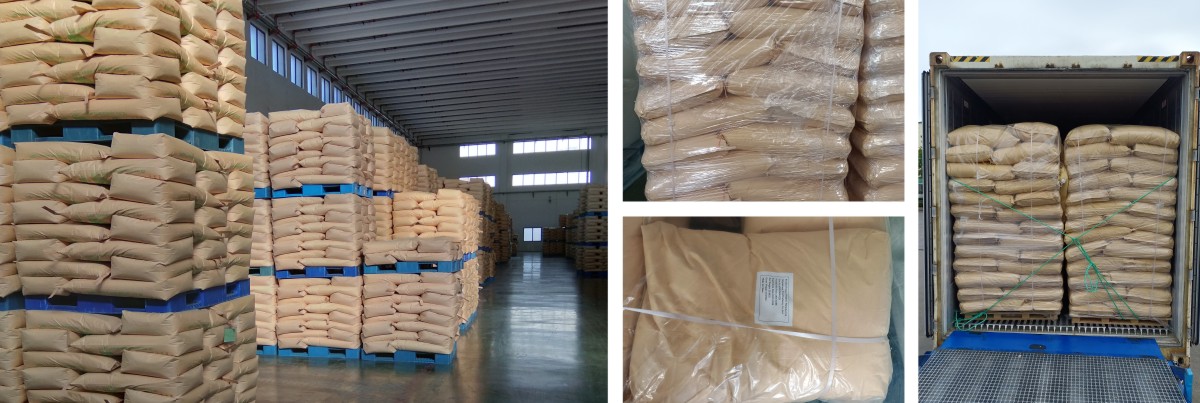
Packing

Related Articles

How Can Organic Mung Bean Starch Powder Improve Your Food Formulations Naturally?
In today’s competitive food industry, manufacturers are under increasing pressure to deliver products that are not only high-performing…
Read More →
Selecting the Ideal Organic Potato Starch Powder for Your B2B Needs: A Strategic Guide for Businesses
In the competitive landscape of food manufacturing, pharmaceuticals, and industrial applications, sourcing high-quality ingredients is paramount to maintaining…
Read More →
Choosing Between Organic and Conventional Maltodextrin: A Comprehensive Guide for Consumers
Maltodextrin is a widely used ingredient in the food and beverage industry, serving as a versatile additive that…
Read More →