


Table of Contents
What is Organic Pea Protein Powder?
Organic Pea Protein Powder is a high-purity, plant-based protein isolate extracted from 100% organic-certified yellow peas (Pisum sativum). Produced through a clean, chemical-free water extraction process, it delivers a robust amino acid profile with a protein concentration typically reaching 80% to 85%. Naturally hypoallergenic, gluten-free, and highly digestible, it is the premier choice for sports nutrition, meal replacements, and vegan formulations seeking a sustainable alternative to dairy and soy proteins.
What makes Organic Pea Protein the gold standard for plant-based nutrition?
In the rapidly evolving protein market, Organic Pea Protein stands out for its balanced performance and clean-label credentials. Unlike many plant proteins, it is a “complete-ish” protein, particularly rich in branched-chain amino acids (BCAAs) like leucine, isoleucine, and valine, which are critical for muscle synthesis. Its cultivation requires significantly less water and land than animal-based proteins and acts as a nitrogen-fixer for the soil, making it as good for the planet as it is for the body. For manufacturers, it provides excellent emulsification and a smooth texture that integrates seamlessly into modern health-conscious diets.
What are the technical specifications of our Organic Pea Protein?
We offer both 80% and 85% protein grades, meticulously filtered to ensure a fine particle size and neutral sensory profile.
| Attribute | Specification Details |
|---|---|
| Common Names | Organic Pea Protein Isolate, Yellow Pea Protein |
| Source | 100% Organic Non-GMO Yellow Peas |
| Protein Content | ≥ 80% or ≥ 85% (Dry Basis) |
| Appearance | Fine, light yellow to cream-colored powder |
| Solubility | Excellent dispersibility in aqueous systems |
| Particle Size | 100 – 200 Mesh (Ensures smooth mouthfeel) |
| Amino Acid Profile | Rich in Lysine, Arginine, and BCAAs |
| Moisture Content | ≤ 8.0% |
| Dietary Suitability | Vegan, Gluten-Free, Soy-Free, Non-GMO, Organic |
How can your brand leverage the functional benefits of Pea Protein?
Organic Pea Protein offers more than just a protein claim; it brings functional integrity to your recipes:
- Superior Satiety: Studies indicate that pea protein can be as effective as dairy protein at promoting the feeling of fullness, making it ideal for weight-management products.
- Muscle Recovery: With high levels of Arginine and BCAAs, it supports rapid muscle repair and growth, rivaling whey protein in sports nutrition efficacy.
- Emulsification Power: It possesses natural emulsifying properties that help stabilize oil-in-water mixtures, perfect for vegan milks and dressings.
- Hypoallergenic Appeal: Free from the “Big 8” allergens (including dairy, soy, and gluten), it allows for inclusive marketing that reaches the widest possible consumer base.
How to Use: Best practices for industrial and home application?
- In Beverages and Shakes: Use 20g to 30g per serving. To minimize the “earthy” notes, blend with natural flavors like vanilla, cocoa, or berry. It disperses well in both cold and ambient liquids.
- In Meat Alternatives: Use as a primary binder or protein fortifier in vegan burgers and sausages. It works synergistically with Organic Pea Fiber to create a juicy, meat-like texture.
- In Bakery and Snacks: Replace up to 20% of traditional flour in bread, muffins, or pancakes to significantly boost protein density without compromising the rise.
- Blending Strategy: For a complete amino acid score (PDCAAS of 1.0), consider blending pea protein with organic rice protein. This combination covers the slight lysine/methionine gap found in legumes.
FAQs
Q: Does your Pea Protein have a strong “beany” aftertaste?
A: We use a proprietary low-temperature water extraction and advanced filtration process that significantly reduces the presence of saponins and hexanal, the compounds responsible for “beany” off-notes. The result is one of the most neutral-tasting pea proteins on the market.
Q: How is the sodium content managed?
A: High sodium is a common concern with pea protein. Our organic extraction process minimizes the use of sodium-based pH adjusters, allowing us to offer a “Low Sodium” specification for sensitive heart-health formulations.
Q: Is it tested for heavy metals?
A: Absolutely. As with all organic crops, we conduct rigorous third-party testing for Lead, Arsenic, Cadmium, and Mercury to ensure the product meets or exceeds international safety standards (including Prop 65 compliance).
Q: Can this be used in UHT (Ultra-High Temperature) liquid products?
A: Yes. Our pea protein is heat-stable and specially processed to maintain low viscosity and high solubility, preventing sedimentation in RTD (Ready-to-Drink) beverages during heat treatment.
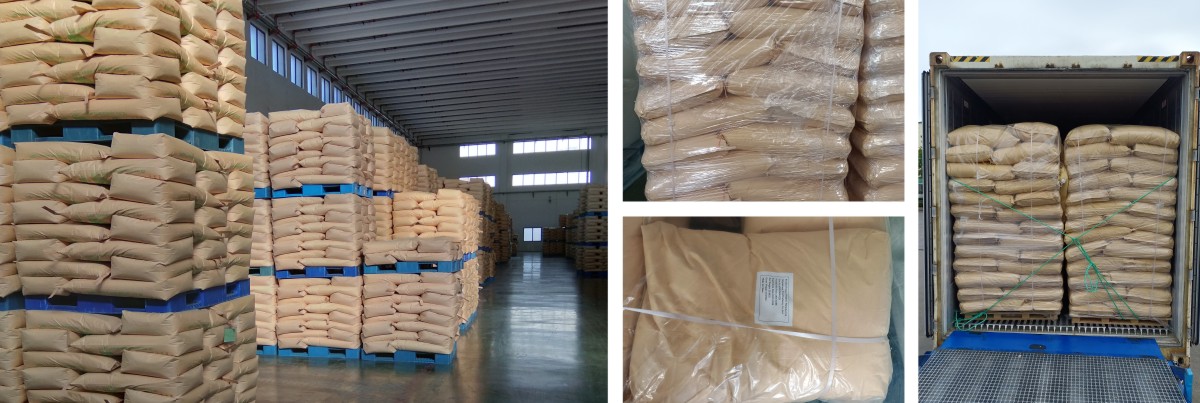
Packing

Related Articles

Organic Hemp Protein Powder vs. Pea Protein: Which Is the Better Choice for Clean Label Brands?
Plant-based protein has become a cornerstone of clean label product development. Among the most commonly used options, organic…
Read More →
Organic Sunflower Protein Powder vs Pea Protein: Which Is Better for Clean-Label Formulations?
As demand for clean-label, allergen-free, and plant-based proteins continues to grow, food manufacturers face a critical choice: which…
Read More →
Comparing Organic Sunflower Protein Concentrate with Pea Protein and Soy Protein
As plant-based proteins continue to gain popularity, food manufacturers are evaluating which ingredients best meet consumer expectations for…
Read More →