


Table of Contents
What is Organic Isomaltitol Powder?
Organic Isomaltitol occupies a premium position in the polyol category because it solves the two most common problems that limit sugar alcohol adoption in food formulations: digestive intolerance and insufficient sweetness equivalence. Most polyols — sorbitol, xylitol, maltitol — are subject to dose-dependent gastrointestinal effects that constrain their use in products intended for regular or high-frequency consumption. Isomaltitol’s slow absorption rate in the small intestine means it produces significantly less gas and osmotic diarrhea than comparable polyols at equivalent doses, enabling cleaner label “sugar-free” positioning without the consumer complaint risk associated with sorbitol’s approximately 20 g/day laxative threshold or xylitol’s gastrointestinal load at high intake.
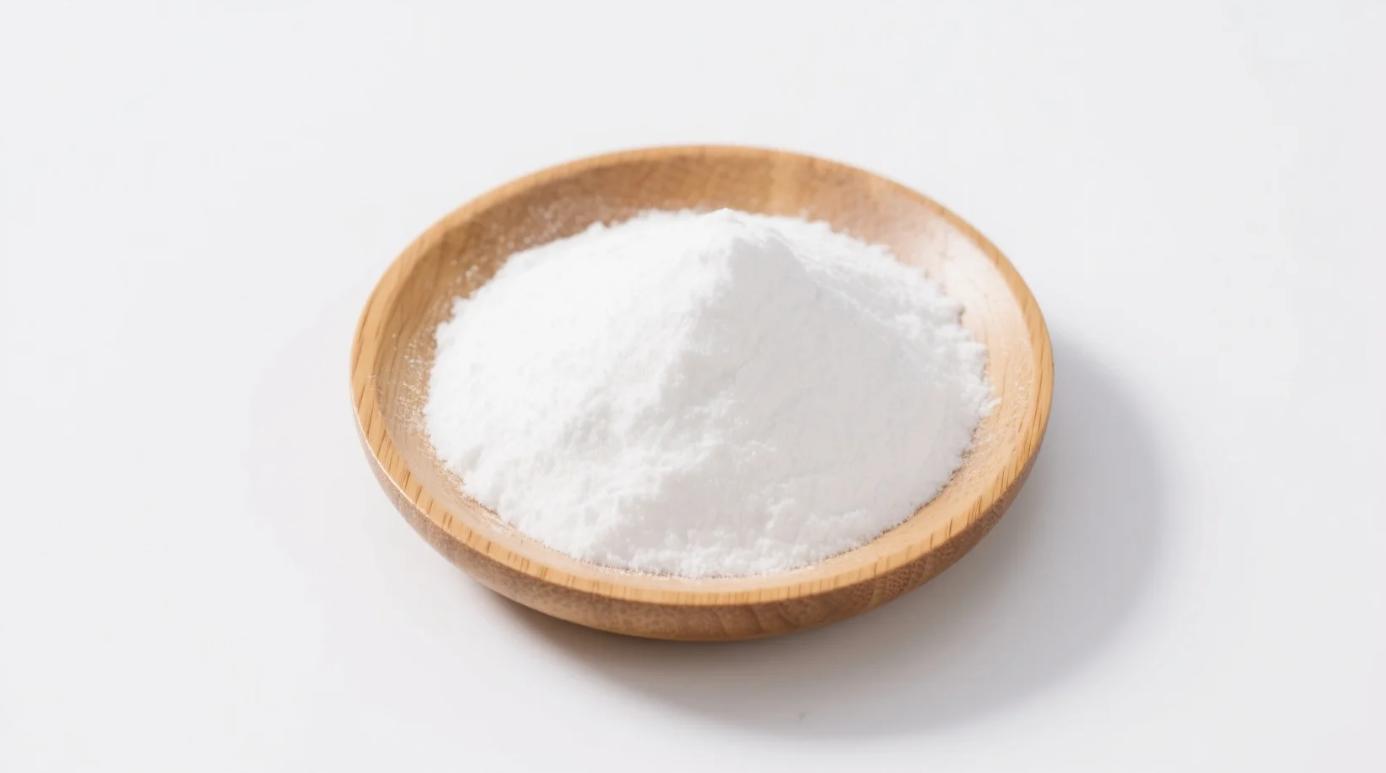
ORGANICWAY’s Organic Isomaltitol is derived from certified organic beet sugar through a two-stage process: sucrose is first enzymatically converted to isomaltulose, then hydrogenated to produce isomaltitol. The result is a white crystalline powder with a purity of ≥98% on a dry basis, moisture content of ≤1.0%, and a melting point of 145–150°C that confers excellent thermal stability across baking, extrusion, and confectionery coating processes. At 2 kcal/g — exactly half the caloric density of sucrose — it enables “reduced calorie” and “sugar-free” labeling while maintaining the bulk, texture, and browning behavior that sucrose provides in baked goods, a property that high-intensity sweeteners cannot replicate.
The product’s low hygroscopicity is a formulation asset: it absorbs minimal moisture, preventing the sticking and clumping that plague confectionery and compressed tablet formulations. Its clean, neutral taste with no aftertaste allows it to function as a standalone sweetener or in combination with high-intensity sweeteners such as stevia or allulose without introducing off-notes. Applications span sugar-free hard candies and chewing gum (where its non-cariogenic property is a documented dental health benefit), reduced-sugar baked goods and frozen desserts (where its texture and browning control replicate sucrose’s functional contribution), protein and energy bars, powdered meal replacements, and tablet excipients in pharmaceutical and nutraceutical formulations.
PHYSICAL & CHEMICAL SPECIFICATIONS
Product Specifications
| Parameter | Value |
|---|---|
| Appearance | Fine white crystalline powder |
| Source | 100% organic beet sugar |
| Processing | Enzymatic conversion + hydrogenation |
| Purity (dry basis) | ≥98.0% isomaltitol |
| Moisture | ≤1.0% |
| Sweetness | 45–60% of sucrose |
| Caloric Value | ~2 kcal/g |
| Glycemic Index (GI) | 9 (low) |
| Melting Point | 145–150°C |
| Solubility | Good in water |
| Hygroscopicity | Low |
| Bulk Density | ~0.55–0.70 g/mL |
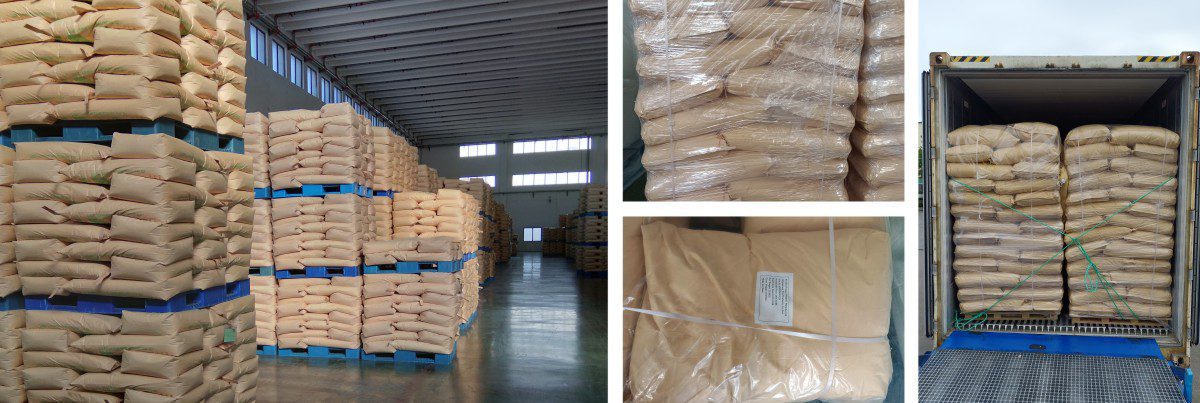
| Packaging | 25 kg multi-layer kraft paper bags |
| Shelf Life | 24–36 months |
Application Matrix
| Application | Suitability | Notes |
|---|---|---|
| Sugar-free hard candies and lozenges | Excellent | Non-cariogenic; prevents crystallization |
| Chewing gum | Excellent | Bulk volume; non-cariogenic; clean taste |
| Chocolate and confectionery coatings | Excellent | Texture and stability in reduced-sugar versions |
| Reduced-sugar baked goods | Excellent | Browning control; texture maintenance |
| Frozen desserts and ice cream | Good | Creamy mouthfeel in low-sugar versions |
| Protein bars and energy bars | Excellent | Low-GI binder and sweetener |
| Powdered meal replacements | Excellent | Neutral taste; free-flowing powder |
| Tablet excipients (pharmaceutical) | Excellent | Compressibility; low hygroscopicity |
| Functional beverages | Good | Clean, neutral sweetness |
MICROBIOLOGICAL & CONTAMINANT STANDARDS
| Test | Specification |
|---|---|
| Total Plate Count | ≤10,000 cfu/g |
| Yeast & Mold | ≤100 cfu/g |
| E. coli | Negative / g |
| Salmonella | Negative / 25g |
| Heavy Metals (Pb) | ≤1.0 mg/kg |
| Arsenic | ≤0.5 mg/kg |
| Residues | Below EU ML / USDA-NOP limits |
| Gluten | <20 ppm |
All batches tested and released against specifications. CofA available with every shipment.
CERTIFICATIONS
| Certification | Status |
|---|---|
| USDA Organic | Yes |
| EU Organic | Yes |
| Non-GMO Project Verified | Yes |
| Kosher | Yes |
| Halal | Available |
| FSSC 22000 | Yes |
| Vegan | Yes |
| Gluten-Free | Yes |
APPLICATIONS & FORMULATION TIPS
Key Functional Benefits
Organic Isomaltitol’s three most significant functional advantages are digestive tolerance, bulk equivalence to sucrose, and non-cariogenicity. The digestive tolerance profile is the primary differentiator: isomaltitol’s slow small-intestinal absorption means that products formulated with it at typical use levels (10–20% in confectionery, 5–15% in baked goods) are significantly less likely to trigger the gastrointestinal complaints that limit sorbitol or xylitol use in daily-consumption products. The bulk equivalence — isomaltitol’s crystalline structure and 2 kcal/g caloric density mean it can replace sucrose on a near one-to-one weight basis in many applications, preserving the textural and structural properties that high-intensity sweeteners cannot replicate. The non-cariogenic property, documented in multiple dental health studies, means isomaltitol is not metabolized by oral bacteria and does not contribute to acid production or enamel demineralization — a claim that sucrose reduction alone cannot make.
Formulation Guidance
When replacing sucrose with isomaltitol, formulators should note that at 45–60% sucrose sweetness, the sweetening system will need to be recalibrated — typically by combining isomaltitol with a high-intensity sweetener such as stevia, allulose, or monk fruit to achieve target sweetness. The 145–150°C melting point enables stable use in hot-process applications including baking and confectionery coating. The low hygroscopicity prevents clumping and sticking in finished products, which is particularly valuable in compressed tablets and sugar-free confectionery. For chocolate applications, isomaltitol’s solubility profile produces a different crystallization behavior than maltitol; trials are recommended for coating thickness and snap properties.
FAQ
Q: What is the primary source of organic isomaltitol, and how is it produced?
A: Organic Isomaltitol is derived from 100% organically grown beet sugar through a two-stage process: sucrose is first enzymatically converted to isomaltulose, then hydrogenated to produce isomaltitol. This hydrogenation step — which converts the reducing sugars in isomaltulose to non-reducing sugar alcohols — is what distinguishes isomaltitol from isomaltulose in functional terms: the hydrogenated form has significantly lower hygroscopicity, higher chemical stability, and better digestive tolerance.
Q: How does isomaltitol’s sweetness compare to sugar, and how does this affect formulation?
A: Isomaltitol delivers approximately 45–60% of sucrose’s sweetness per weight, meaning that replacing 100 g of sucrose with isomaltitol on a one-to-one basis will produce a noticeably less sweet product. In practice, this is addressed by combining isomaltitol with a high-intensity sweetener — a standard approach in sugar-free confectionery — or by increasing the isomaltitol usage level beyond the sucrose replacement ratio while remaining within caloric and digestive tolerance constraints. The 2 kcal/g caloric value (half that of sucrose) still enables meaningful calorie reduction even at partial replacement levels.
Q: Is isomaltitol suitable for diabetic and low-GI diets?
A: Yes. With a glycemic index of 9, isomaltitol produces minimal blood glucose and insulin response, making it one of the most metabolically neutral sugar alcohols available. This supports “suitable for diabetics,” “low-GI,” and “blood sugar management” label claims. As with all sugar alcohols, isomaltitol is metabolized as a carbohydrate and contributes calories; it cannot be excluded from total carbohydrate counts in the same way as non-digestible fibers.
Q: How does isomaltitol’s digestive tolerance compare to sorbitol and xylitol?
A: Isomaltitol is absorbed more slowly than sorbitol in the small intestine, which substantially reduces the osmotic diarrhea and gas production that are the dose-limiting factors for sorbitol (approximately 20 g/day threshold) and that can affect xylitol tolerance at very high doses. This makes isomaltitol particularly suitable for products intended for daily consumption or for consumers who are sensitive to other polyols. However, individual tolerance varies, and excessive consumption of any sugar alcohol can produce gastrointestinal effects.
Q: What is the shelf life and recommended storage condition?
A: Organic Isomaltitol has a shelf life of 24–36 months from the date of manufacture when stored in sealed original packaging. Recommended storage: cool and dry location below 25°C (77°F), away from direct sunlight and moisture, in the original light-proof sealed packaging. Its inherent low hygroscopicity supports stability under a wide range of humidity conditions, though exposure to extreme humidity should still be avoided.
Q: What is the minimum order quantity and lead time?
A: 1 kg free sample with full CofA is available for qualifying buyers (FEDEX/UPS/EMS). Commercial orders start at 25 kg (packaged in 25 kg multi-layer kraft paper bags, 40 bags per pallet). Private label orders require 100 kg minimum. Lead time: 10–20 working days from order confirmation. Available incoterms: DAP, DDP, FOB Qingdao or Tianjin. Acceptable payment terms: T/T, L/C, D/P, D/A, MoneyGram, Western Union, Credit Card.
PACKAGING & STORAGE

Packaging
| Format | Standard Packaging | Custom Options |
|---|---|---|
| Isomaltitol Powder | 25 kg multi-layer kraft paper bags; 40 bags/pallet | 5 / 10 / 20 kg bags; fiber drums; IBC super sacks; branded packaging for private label |
Storage Conditions
| Parameter | Value |
|---|---|
| Temperature | ≤25°C (cool, dry) |
| Humidity | <60% RH; low hygroscopicity provides wide stability range |
| Light | Store away from direct sunlight; original light-proof packaging |
| Odor | Store away from strong odors |
| Shelf Life (sealed) | 24–36 months |
| Opened Packaging | Use within 6 months; reseal tightly after opening |