


Table of Contents
In the competitive landscape of food manufacturing, pharmaceuticals, and industrial applications, sourcing high-quality ingredients is paramount to maintaining product integrity, meeting regulatory standards, and satisfying end-consumer demands. Organic potato starch powder has surged in popularity as a versatile, clean-label ingredient that aligns with the growing trend toward sustainability and natural sourcing. For B2B buyers—such as food processors, supplement manufacturers, and cosmetic formulators—choosing the right supplier and product can directly impact production efficiency, cost management, and market positioning. This guide delves into the essentials of selecting organic potato starch powder, offering actionable insights to help your business make informed, strategic decisions that drive growth and compliance.
The Rising Demand for Organic Potato Starch in B2B Markets
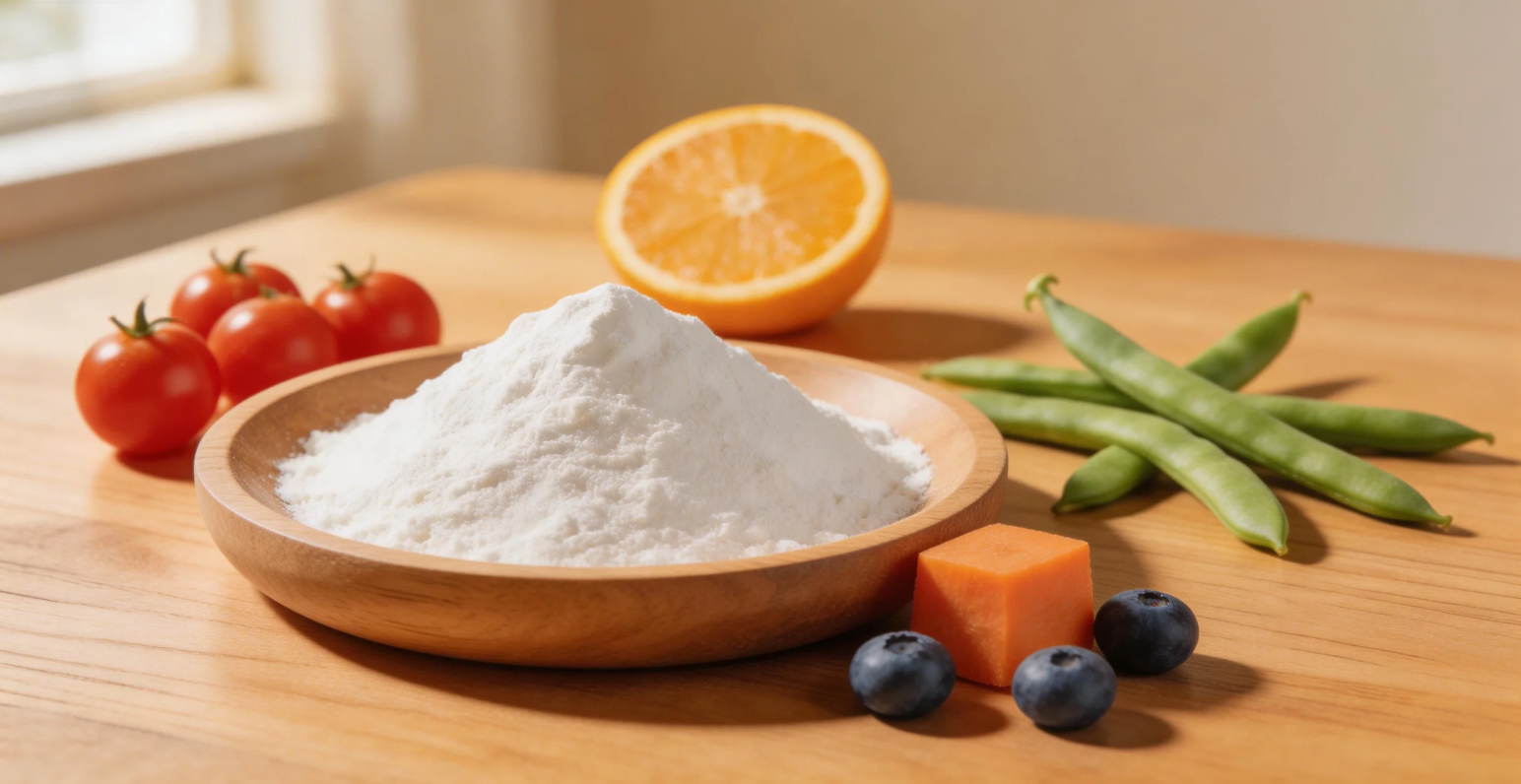
Organic potato starch is extracted from organically cultivated potatoes through a mechanical process that involves washing, grinding, and drying, resulting in a fine, white powder rich in amylopectin. Unlike conventional starches, organic variants are free from synthetic pesticides, GMOs, and chemical fertilizers, ensuring compliance with organic certifications and appealing to health-conscious consumers. In B2B contexts, this ingredient is indispensable for applications ranging from thickening agents in sauces and soups to binders in gluten-free baked goods, excipients in pharmaceuticals, and even in biodegradable packaging materials.
The global market for organic starches is projected to grow at a CAGR of over 6% through 2030, driven by regulations like the EU’s organic farming standards and USDA guidelines, as well as consumer preferences for clean-label products. For businesses, incorporating organic potato starch not only enhances product appeal but also mitigates risks associated with supply chain volatility, such as fluctuating raw material prices due to climate impacts on potato crops. By prioritizing organic sourcing, B2B entities can differentiate their offerings, secure premium pricing, and build long-term partnerships with eco-focused retailers and brands.
Key Advantages of Organic Potato Starch for Business Operations
From a B2B perspective, organic potato starch offers multifaceted benefits that extend beyond basic functionality. Its high viscosity and stability under heat make it superior for industrial processes, providing better texture control and shelf-life extension in processed foods. In pharmaceuticals, it serves as a disintegrant in tablets, ensuring rapid dissolution without compromising purity. For cosmetic manufacturers, its absorbent properties are ideal for natural powders and creams.
Moreover, opting for organic reduces environmental liabilities—organic farming practices promote soil health and biodiversity, aligning with corporate sustainability goals like those outlined in the UN Sustainable Development Goals. This can enhance your company’s ESG (Environmental, Social, and Governance) profile, attracting investors and partners. Cost-wise, while initial procurement may be 20-30% higher than conventional alternatives, bulk purchasing and long-term contracts can offset this through reduced waste and higher yield efficiencies in production lines.
Essential Criteria for Evaluating Organic Potato Starch Suppliers
When sourcing for your business, a systematic evaluation is crucial to ensure consistency, quality, and scalability. Here’s a breakdown of key factors to consider:
1. Certification and Compliance Standards
Prioritize suppliers with verifiable certifications such as USDA Organic, EU Organic, or equivalent from bodies like ECOCERT. These ensure the starch is derived from non-GMO potatoes grown without prohibited substances. For B2B buyers, request detailed documentation, including chain-of-custody records, to comply with traceability requirements under regulations like FSMA (Food Safety Modernization Act) in the US or REACH in Europe. Look for additional accreditations like Kosher, Halal, or Fair Trade to broaden market access.
2. Product Purity and Specifications
Examine the technical data sheet for purity levels—aim for at least 99% starch content with minimal moisture (under 20%) to prevent clumping during storage and use. Test for contaminants like heavy metals or mycotoxins, which should be below detectable limits. Organic potato starch should have a neutral pH (around 5-7) and fine particle size (typically 10-50 microns) for optimal dispersibility. Request samples for in-house testing to verify performance in your specific applications, such as gel strength or retrogradation resistance.
3. Sourcing and Supply Chain Reliability
Opt for suppliers with transparent sourcing from regions like Northern Europe (e.g., Germany or the Netherlands), where potato yields are high and organic practices are well-established. Assess their supply chain resilience—do they have multiple farm partnerships to mitigate crop failure risks? Inquire about lead times, minimum order quantities (MOQs—often 1-5 metric tons for B2B), and logistics capabilities, including cold-chain options if needed. Sustainable sourcing, such as regenerative agriculture, can add value by reducing your carbon footprint.
4. Pricing and Contractual Terms
B2B pricing for organic potato starch ranges from $1.50-$3.00 per kg, depending on volume and quality. Negotiate for tiered pricing based on annual commitments to lock in rates amid market fluctuations. Evaluate value-added services like custom blending, private labeling, or technical support for formulation development. Ensure contracts include clauses for quality assurance, return policies, and force majeure to protect your operations.
5. Supplier Reputation and Support
Research supplier track records through industry reviews, trade associations like the Organic Trade Association, or platforms like Alibaba for verified B2B feedback. Choose partners offering robust customer support, including R&D collaboration for product innovation. Long-term relationships can yield benefits like priority access during shortages.
6. Sustainability and Ethical Considerations
In today’s B2B ecosystem, evaluate suppliers’ commitment to sustainability—look for carbon-neutral certifications or water-efficient processing. Ethical labor practices, as per ILO standards, are essential to avoid reputational risks.
Best Practices for Integration and Optimization
Once selected, integrate the starch into your operations by conducting pilot runs to fine-tune formulations. Monitor performance metrics like yield rates and sensory evaluations. Collaborate with suppliers for ongoing improvements, and consider certifications like ISO 22000 for food safety to enhance your value proposition.
Conclusion: Elevate Your Business with Strategic Sourcing
In the B2B arena, choosing the right organic potato starch powder is a strategic investment that boosts product quality, regulatory compliance, and market competitiveness. By focusing on certification, purity, and supplier reliability, your business can harness this ingredient’s potential while advancing sustainability goals. Partner with reputable suppliers, negotiate smartly, and innovate continuously to stay ahead. In an era where consumers demand transparency, your choice today shapes tomorrow’s success—make it count.
Related Products

Organic Potato Starch Powder
A high-viscosity, gluten-free thickener delivering exceptional clarity and binding power. Perfect for…