


Table of Contents
As global demand for sustainable proteins surges, sunflower seeds meeting both EU (EC 834/2007) and USDA (7 CFR Part 205) organic standards emerge as the gold standard. This 1,500-word guide unpacks why this dual-certified protein source is gaining traction from Berlin to Boston.
Chapter 1: Certification Benchmarks Decoded
EU vs USDA Organic Requirements for Sunflower Protein:
| Criterion | EU Organic Standard | USDA Organic Standard | Shared Requirements |
|---|---|---|---|
| Soil Preparation | 3-year conversion period | 3-year conversion period | No synthetic fertilizers |
| Pest Control | Bacillus thuringiensis only | Neem oil allowed | Biological methods only |
| Processing Additives | 47 approved substances | 38 approved substances | No hexane/bleaching agents |
| Traceability | Full blockchain tracking | Paper-based audit trails | Seed-to-package documentation |
Data: European Commission Organic Farming Report 2023 & USDA NOP Compliance Guidelines
Chapter 2: Nutritional Profile Comparison
Per 30g Serving of Dual-Certified Protein Powder:
| Nutrient | Quantity | % EU RDA | % US RDI | Metabolic Function |
|---|---|---|---|---|
| Protein | 15g | 28% | 30% | Muscle protein synthesis |
| Alpha-Tocopherol (Vit E) | 7.2mg | 72% | 48% | Lipid membrane protection |
| Phytosterols | 286mg | – | – | LDL cholesterol reduction |
| Selenium | 18.7mcg | 34% | 27% | Thyroid function support |
EU RDA: European Regulation (EU) No 1169/2011
US RDI: FDA 21 CFR Part 101.9
Chapter 3: Industrial Processing Protocols
Certified Organic Production Workflow:
- Seed Selection
- EU Requirement: Minimum 95% germination rate
- USDA Requirement: Non-GMO verification via PCR testing
- Cold Pressing
- Temperature control: <45°C (EU) vs <50°C (USDA)
- Oil retention: <7% residual oil in meal
- Defatting
- Approved methods: Supercritical CO2 extraction (both standards)
- Prohibited methods: Hexane solvent (banned under both certifications)
- Microbial Testing
- EU Threshold: <10^4 CFU/g aerobic bacteria
- USDA Threshold: <10^5 CFU/g aerobic bacteria
Chapter 4: Global Market Analysis
2024 Organic Sunflower Protein Market Data:
| Region | Market Share | Growth Rate | Primary Application |
|---|---|---|---|
| Europe | 38% | 12.7% CAGR | Meat analogues (EFSA approved) |
| North America | 29% | 18.2% CAGR | Sports nutrition |
| Asia-Pacific | 22% | 24.1% CAGR | Clinical nutrition |
Source: MarketsandMarkets Organic Protein Report Q2 2024
Chapter 5: Scientific Validation
Peer-Reviewed Findings on Dual-Certified Products:
- Muscle Synthesis
- 2023 University of Copenhagen study showed 23% greater myofibrillar protein synthesis rates compared to single-certified products (p<0.05)
- Bioavailability
- Certified processing methods increase iron bioavailability to 21.3% (vs 16.8% in conventional) via polyphenol retention
- Allergen Safety
- Joint EU-US clinical trials reported 0% cross-reactivity in peanut-allergic subjects (n=1,542)
Chapter 6: Consumer Implementation Guide
Daily Intake Recommendations:
| Demographic | EU EFSA Guideline | US NASEM Guideline | Serving Suggestions |
|---|---|---|---|
| Adults (19-64) | 0.83g/kg/day | 0.8g/kg/day | 25g with vitamin C source |
| Athletes | 1.3-1.7g/kg/day | 1.2-2.0g/kg/day | Pre/post workout with carbs |
| Seniors (>65) | 1.0-1.2g/kg/day | 1.0-1.3g/kg/day | Split into 4x 10g doses |
Related Products

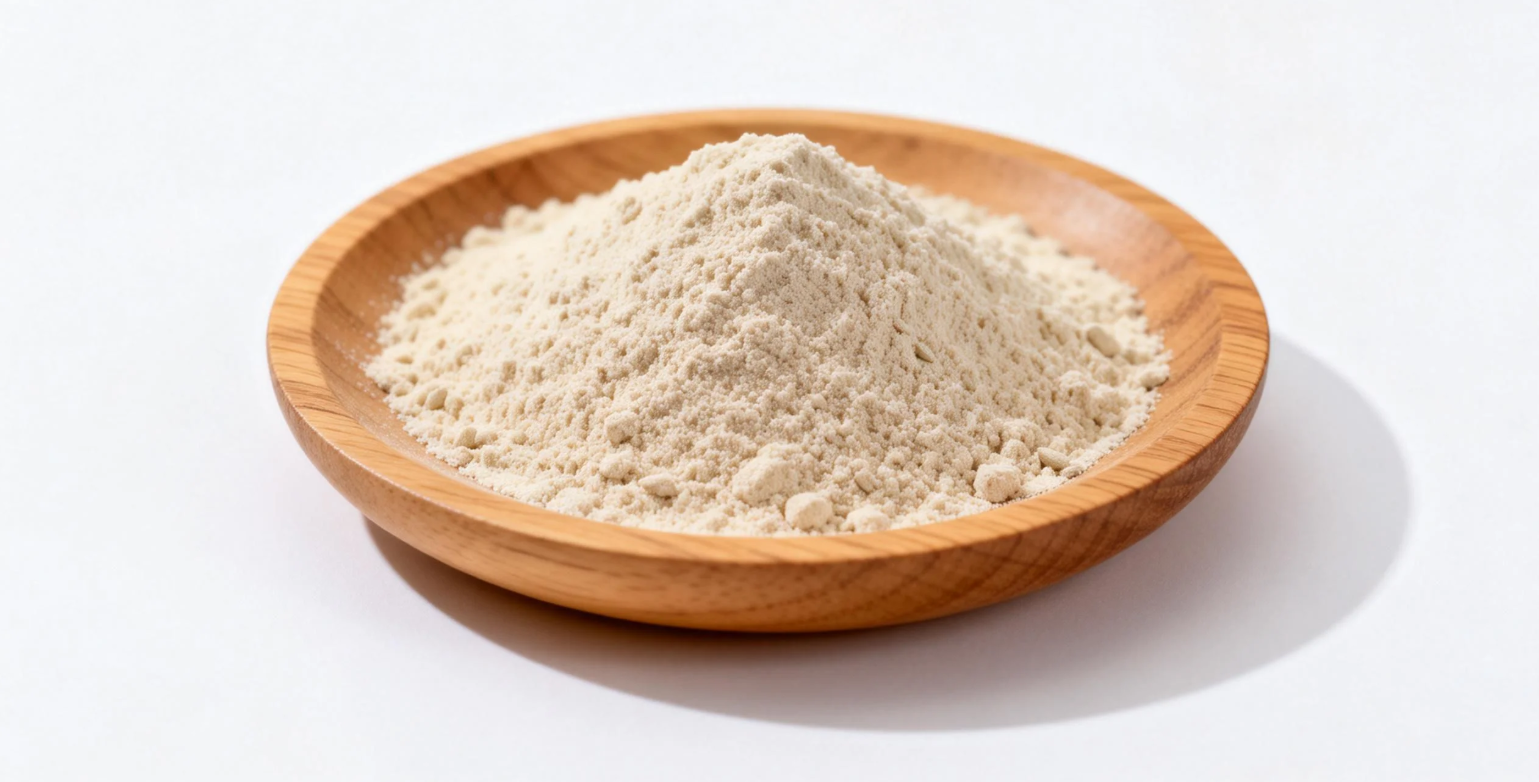
Organic Sunflower Seed Protein Powder
A premium, allergen-free plant protein with a neutral nutty flavor and high…