


Table of Contents
Nutritional and functional foods have moved from niche segments into the mainstream. Products such as protein powders, meal replacements, fortified snacks, and functional beverages are now expected to deliver measurable benefits while maintaining clean labels and consistent sensory quality. For manufacturers operating in this space, ingredient selection must support nutrient stability, processing efficiency, and consumer trust. Organic maltodextrin has become a key functional ingredient in achieving these goals.
Produced from certified organic starch sources, organic maltodextrin offers the technical performance required in complex nutritional systems while aligning with organic certification and clean label expectations. Its role extends far beyond that of a simple carbohydrate, making it a strategic component in modern functional formulations.
Supporting the Delivery of Functional Ingredients
One of the primary challenges in nutritional product development is the effective delivery of functional ingredients such as vitamins, minerals, plant extracts, probiotics, and amino acids. Many of these actives are sensitive to heat, moisture, or oxidation. Organic maltodextrin functions as a carrier and protective matrix, helping to stabilize these components during processing and storage.
In spray-dried or blended powders, organic maltodextrin improves ingredient dispersion and prevents segregation, ensuring consistent dosing in every serving. This consistency is critical for brands making nutritional or functional claims that must be supported throughout the product’s shelf life.
Enhancing Stability and Shelf Life
Functional foods often contain complex ingredient systems that can compromise stability if not properly balanced. Organic maltodextrin helps improve shelf life by reducing hygroscopicity and supporting a uniform powder structure. This minimizes caking, moisture uptake, and texture degradation over time.
For export-oriented products or those distributed through extended supply chains, stability is a major purchasing consideration. Organic maltodextrin provides manufacturers with confidence that finished products will maintain quality across different storage and climate conditions.
How To Using Organic Maltodextrin in Nutritional Formulations
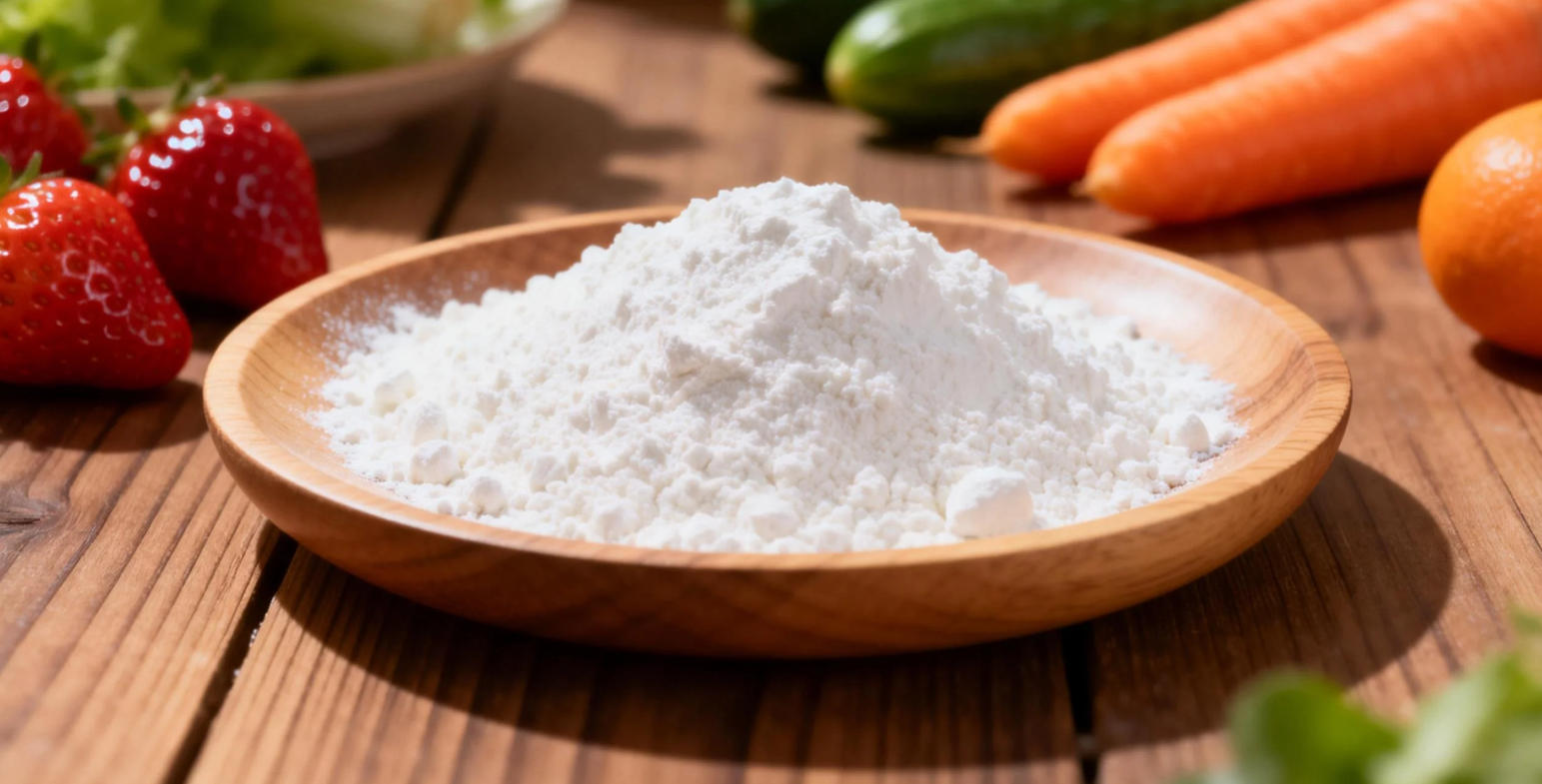
Step 1: Define the Functional Objective
Determine whether organic maltodextrin will primarily act as a carrier, bulking agent, texture modifier, or stabilizer. Clarifying this role early supports efficient formulation design.
Step 2: Match DE Range to Application
Lower DE organic maltodextrins are often preferred in nutritional products due to their low sweetness and higher contribution to structure. Higher DE options may be selected when faster solubility is required.
Step 3: Protect Sensitive Actives
In formulations containing heat- or moisture-sensitive ingredients, organic maltodextrin can be used as part of a protective system to improve stability during blending, drying, or storage.
Step 4: Validate Processing Performance
Test solubility, flowability, and compatibility with proteins, fibers, or fats during pilot trials to ensure smooth scale-up and consistent quality.
Step 5: Confirm Certification Compliance
Ensure all organic certificates, specifications, and traceability documents are available to support audits and regulatory reviews.
Clean Label Compatibility and Consumer Perception
Consumers purchasing nutritional and functional foods are particularly attentive to ingredient lists. Organic maltodextrin offers a familiar, widely accepted ingredient name that fits clean label positioning. Compared to synthetic carriers or complex stabilizer systems, it provides transparency without sacrificing functionality.
For private label manufacturers and contract producers, this acceptance reduces the need for ingredient-specific explanations and simplifies communication with brand owners.
FAQ: Organic Maltodextrin in Nutritional and Functional Foods
Is organic maltodextrin suitable for sports nutrition products?
Yes. It is commonly used in protein powders, recovery drinks, and functional blends to support texture, solubility, and nutrient delivery.
Does organic maltodextrin affect the taste of functional ingredients?
Its neutral flavor helps mask off-notes from certain actives without overpowering the overall flavor profile.
Can organic maltodextrin help with dosing consistency?
Yes. By acting as a carrier, it ensures even distribution of micronutrients and functional compounds.
Is organic maltodextrin compatible with plant-based formulations?
Yes. It works well alongside plant proteins, fibers, and fats in vegan and plant-based products.
What should B2B buyers evaluate when sourcing organic maltodextrin?
Key factors include organic certification validity, DE range availability, batch consistency, technical support, and long-term supply stability.
A Reliable Ingredient for Functional Food Growth
As nutritional and functional foods continue to grow in importance, ingredient reliability becomes a decisive factor. Organic maltodextrin supports consistent performance, protects valuable actives, and aligns with clean label expectations—all while enabling scalable manufacturing.
For brands and manufacturers seeking to deliver functional benefits without compromising transparency, organic maltodextrin remains a dependable and future-ready ingredient.
Related Products

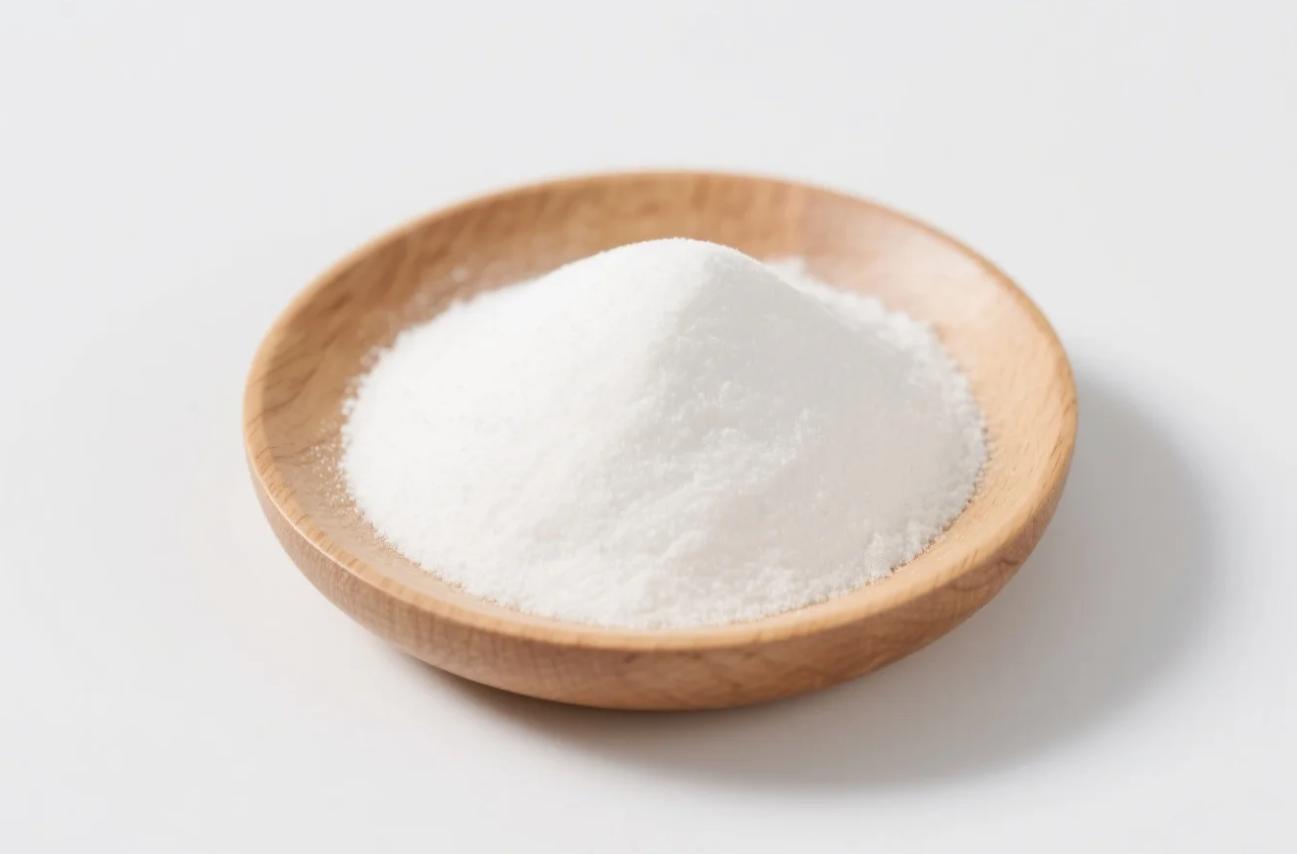
Organic Maltodextrin Powder
A high-purity, non-GMO carrier and bulking agent with excellent solubility. It enhances…