


Table of Contents
Sweeteners are no longer evaluated solely by sweetness intensity. In modern food manufacturing, formulation performance, processing stability, shelf life, and labeling transparency all play a decisive role. As a result, many manufacturers are rethinking their reliance on refined sugars and exploring functional alternatives such as organic glucose syrup.
This article provides a practical, manufacturing-focused comparison between organic glucose syrup and refined sugars, helping product developers and procurement teams understand when and why organic glucose syrup delivers superior functional value.
Understanding the Role of Sweeteners Beyond Sweetness
Refined sugars—such as white sugar or refined glucose—primarily contribute sweetness and bulk. While they are familiar and widely available, they offer limited functional benefits and can introduce challenges such as crystallization, moisture loss, and texture inconsistency.
Organic glucose syrup, by contrast, is designed to perform as a functional carbohydrate, contributing to multiple aspects of product quality while maintaining organic and clean-label positioning.
Functional Comparison: Organic Glucose Syrup vs. Refined Sugars
1. Texture and Mouthfeel
Refined sugars dissolve easily but can recrystallize during cooling or storage, leading to grainy textures. Organic glucose syrup helps create smoother, more cohesive textures by interfering with sugar crystal formation.
2. Moisture Management
Refined sugars offer limited moisture retention. Organic glucose syrup acts as a humectant, helping products retain moisture and maintain softness over time—especially important in bakery and snack applications.
3. Processing Stability
During heating and high-shear processing, refined sugars may caramelize or crystallize unpredictably. Organic glucose syrup remains stable across a wide temperature range, supporting consistent batch-to-batch results.
4. Sweetness Control
Organic glucose syrup typically delivers lower perceived sweetness than refined sugars, allowing manufacturers to fine-tune flavor profiles without overpowering other ingredients.
5. Shelf-Life Performance
Products formulated with organic glucose syrup often show improved shelf stability due to better moisture balance and reduced crystallization risk.
Labeling and Market Positioning Considerations
From a labeling perspective, organic glucose syrup supports:
- Organic certification claims
- Clean-label ingredient lists
- Reduced reliance on additives
Refined sugars, while familiar, do not offer the same functional versatility and may require additional stabilizers or texturizers to achieve similar results.
For brands targeting premium, organic, or clean-label markets, organic glucose syrup aligns more closely with consumer expectations and regulatory frameworks.
Typical Application Scenarios
Manufacturers often replace part of refined sugar with organic glucose syrup in:
- Confectionery (gummies, soft candies, fillings)
- Bakery (cakes, cookies, fillings, glazes)
- Dairy and frozen desserts
- Sauces and fruit preparations
Partial replacement strategies allow brands to maintain sweetness while improving texture and stability.
How To Replacing Refined Sugar with Organic Glucose Syrup

How To Replacing Refined Sugar with Organic Glucose Syrup
Step 1: Identify Functional Pain Points
Determine whether current formulations suffer from crystallization, dryness, or texture inconsistency. These are strong indicators that organic glucose syrup may add value.
Step 2: Choose the Appropriate DE Range
Lower DE syrups provide higher viscosity and lower sweetness, while higher DE syrups increase sweetness and fermentability. Selection depends on the target application.
Step 3: Start with Partial Replacement
Begin by replacing 20–40% of refined sugar with organic glucose syrup to assess functional improvements without altering flavor balance drastically.
Step 4: Adjust Water Content
Because organic glucose syrup contains water, total formulation moisture should be adjusted accordingly to maintain consistency.
Step 5: Validate Through Pilot Trials
Conduct pilot runs and shelf-life testing to confirm improvements in texture, stability, and consumer acceptance.
Procurement Insights for Manufacturers
When sourcing organic glucose syrup as a refined sugar alternative, buyers should evaluate:
- Organic certification validity
- Consistent DE specification
- Traceability of starch sources
- Technical formulation support
- Long-term supply reliability
A supplier with experience in organic and industrial food applications can significantly reduce reformulation risks.
FAQ: Organic Glucose Syrup vs. Refined Sugars
Q1: Can organic glucose syrup fully replace refined sugar?
In most applications, partial replacement is preferred. Full replacement may require additional formulation adjustments.
Q2: Does organic glucose syrup make products less sweet?
Yes, it generally delivers lower sweetness, which can be advantageous for balanced flavor profiles.
Q3: Is organic glucose syrup suitable for organic-certified products?
Yes, when sourced and processed according to organic standards with proper certification.
Q4: Will switching increase ingredient costs?
Unit cost may be higher, but improved shelf life, reduced waste, and better product consistency often offset the difference.
Q5: Is organic glucose syrup compatible with vegan formulations?
Yes, it is plant-based and widely used in vegan and plant-based products.
Conclusion
While refined sugars remain common, their limitations are increasingly apparent in modern food manufacturing. Organic glucose syrup offers a more functional, stable, and clean-label-friendly alternative that addresses many of the challenges associated with refined sugars.
For manufacturers seeking improved texture, longer shelf life, and stronger organic positioning, organic glucose syrup represents a strategic upgrade rather than a simple sweetener swap.
Related Products

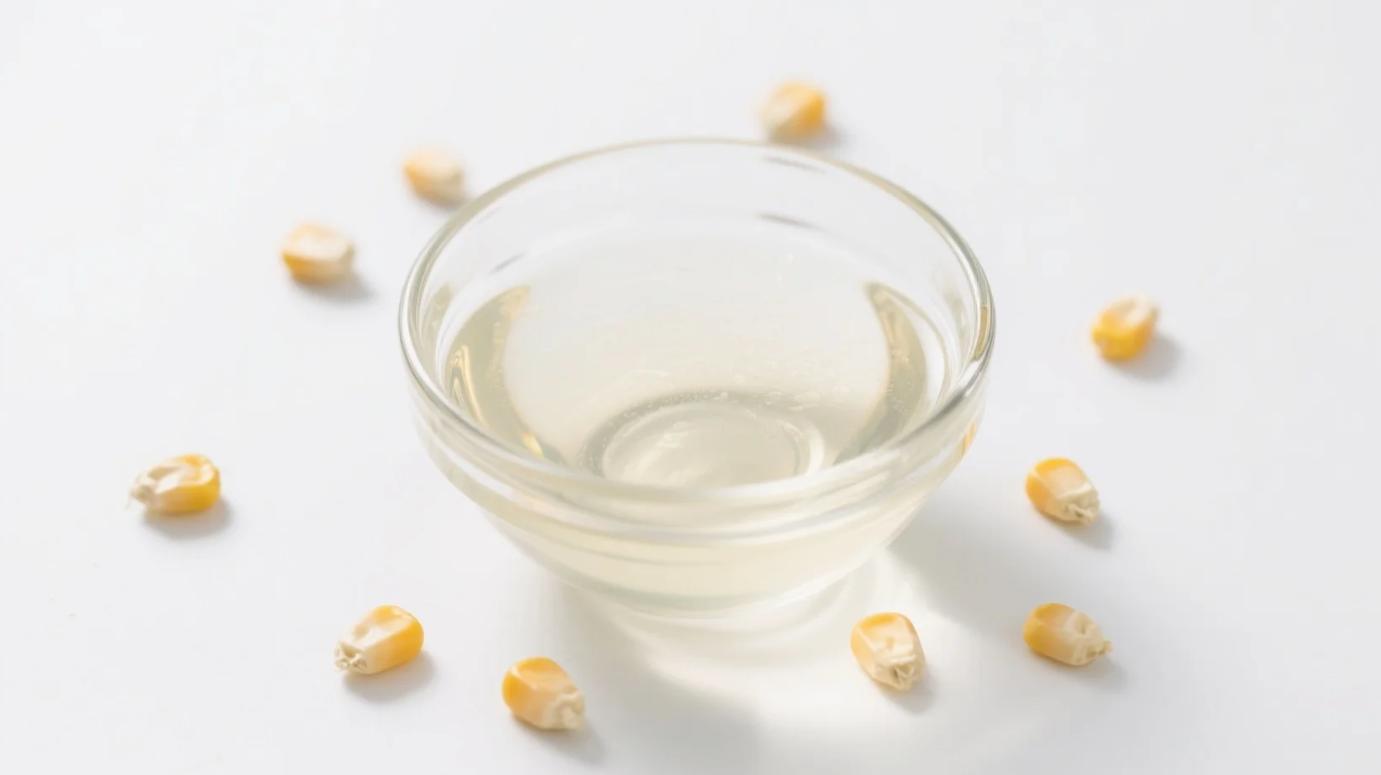
Organic Glucose Syrup
A versatile, non-GMO liquid sweetener that controls crystallization and provides essential humectancy.…