

Table of Contents
The protein supplement market is crowded, but two heavyweights stand out: whey protein, the long-time favorite of athletes, and organic rice protein powder, the rising star of plant-based nutrition. Which one deserves a spot in your shaker bottle? Let’s compare their benefits, drawbacks, and why organic rice protein might just be the smarter choice for modern wellness.

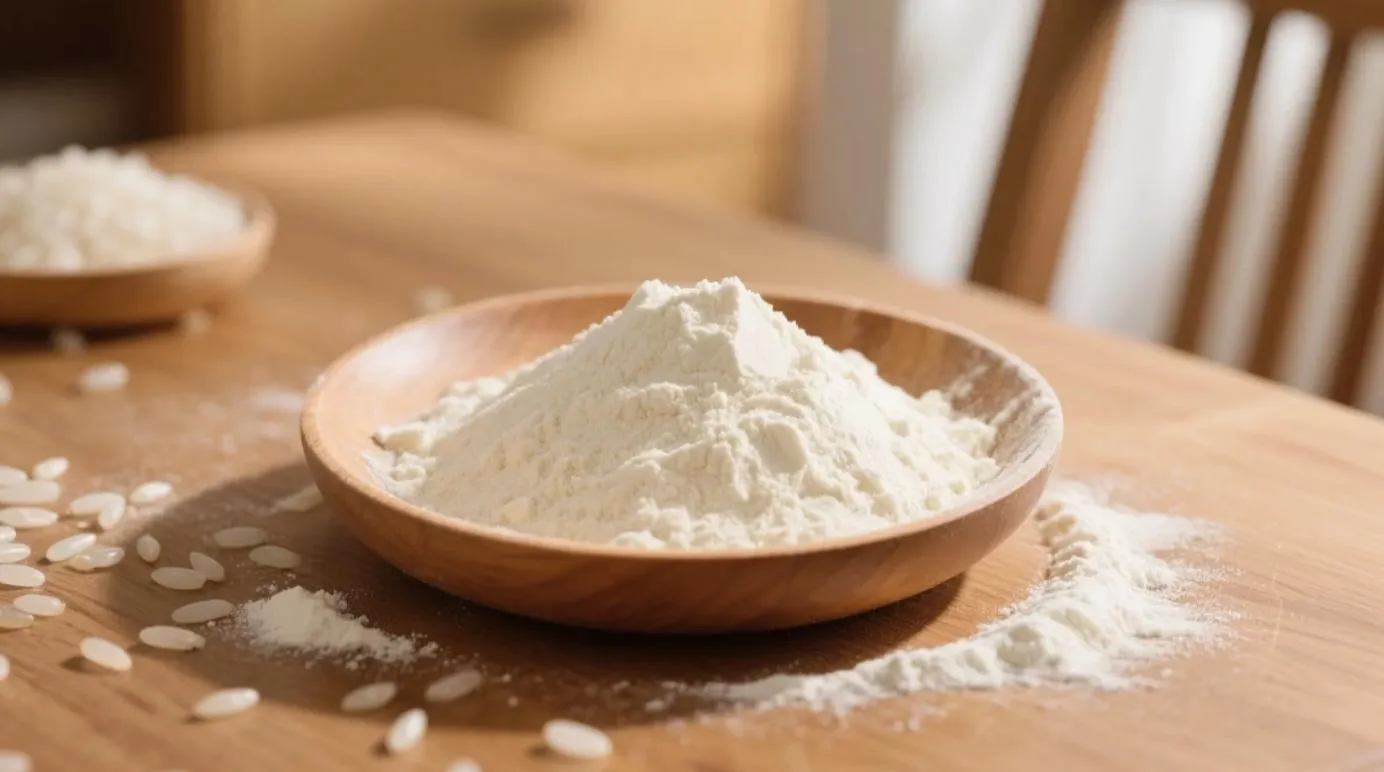
Round 1: Nutritional Value
- Organic Rice Protein Powder:
- Complete Protein: Modern processing techniques ensure rice protein contains all 9 essential amino acids (including lysine, once its weak point).
- Hypoallergenic: Gluten-free, dairy-free, and gentle on sensitive stomachs.
- Rich in B Vitamins & Fiber: Supports energy metabolism and digestion.
- Whey Protein:
- High in BCAAs: Ideal for muscle recovery post-workout.
- Lactose Concerns: May cause bloating or discomfort in lactose-intolerant individuals.
- No Fiber: Lacks the gut-friendly fiber found in plant-based options.
Winner: Tie. Whey wins for rapid muscle repair, but rice protein offers broader nutritional benefits and digestibility.
Round 2: Digestive Health
- Organic Rice Protein:
- Alkaline-forming, reducing inflammation and acidity in the gut.
- Easily digested, even for those with IBS or leaky gut.
- Whey Protein:
- Acidic in nature, which may aggravate digestive issues.
- Lactose content can trigger gas, cramps, or diarrhea in 65% of adults globally (lactose intolerance).
Winner: Organic rice protein powder—gentle, inclusive, and gut-friendly.
Round 3: Allergies & Dietary Needs
- Rice Protein:
- Vegan, paleo, and allergy-safe (no soy, dairy, or nuts).
- Perfect for plant-based diets or religious dietary restrictions.
- Whey Protein:
- Derived from milk, unsuitable for vegans or dairy-allergic individuals.
- Often contains artificial sweeteners or additives.
Winner: Organic rice protein powder—the universal choice for diverse lifestyles.
Round 4: Sustainability
- Rice Protein:
- Requires less water and land than dairy farming.
- Organic farming avoids synthetic fertilizers, protecting soil health.
- Whey Protein:
- Dairy production contributes to methane emissions and water pollution.
- Often linked to industrial farming practices.
Winner: Organic rice protein powder—a planet-friendly protein source.
Round 5: Taste & Versatility
- Rice Protein:
- Neutral flavor blends seamlessly into smoothies, baked goods, or savory dishes.
- Grit-free textures in premium organic brands.
- Whey Protein:
- Creamier texture but often overly sweet or artificially flavored.
- Limited use in savory recipes.
Winner: Organic rice protein powder—adaptable and kitchen-friendly.
The Verdict
While whey protein excels in rapid post-workout recovery, organic rice protein powder is the clear all-round winner for:
✅ Long-term health (digestive support, anti-inflammatory)
✅ Dietary inclusivity (vegan, hypoallergenic)
✅ Ethical consumption (sustainable, organic farming)
Why Choose Organic?
Non-organic rice may contain arsenic residues or pesticides. Certified organic rice protein powder ensures:
- No heavy metals or chemicals
- Higher nutrient retention
- Transparent sourcing
How to Use Organic Rice Protein Powder
- Post-Workout Shake: Blend with almond milk, banana, and almond butter.
- Baking: Add to pancakes, muffins, or protein bars.
- Savory Boost: Mix into soups, veggie burgers, or oatmeal.
Ready to Make the Switch?
Whether you’re vegan, eco-conscious, or simply seeking a cleaner protein, organic rice protein powder delivers strength without compromise. Ditch the bloat and embrace a protein that fuels your body and values.
Try it today and taste the future of fitness nutrition!
Related Products

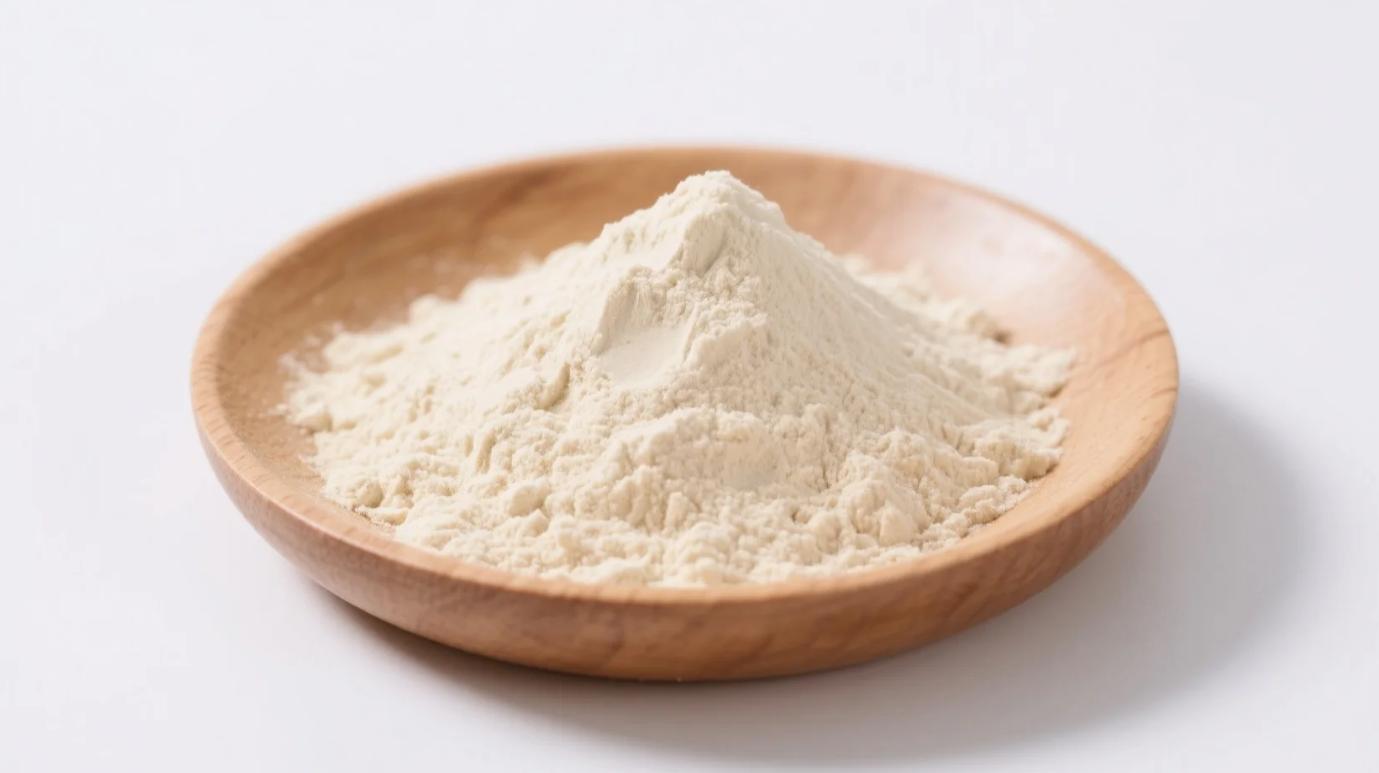
Organic Brown Rice Protein Powder
Mesh: 300, 600, 1000mesh