


Table of Contents
In modern food, beverage, and nutrition formulations, dextrose powder is far more than “just another sweetener.” It is a functional carbohydrate that affects sweetness, fermentation, browning, texture, and even how quickly the body absorbs energy. As clean‑label trends accelerate, more brands and buyers are asking a key question: when does it make sense to choose organic dextrose powder, and when is conventional dextrose powder the better fit?
This guide walks through the essential differences and gives you a practical framework for making the right choice for your products and your customers.
First basics: what is dextrose powder?
Dextrose is simply D‑glucose, a monosaccharide sugar that is chemically identical to the glucose found in human blood. It is typically produced by hydrolyzing starch (most often from corn, but also from wheat, rice, or tapioca) into glucose, then purifying, concentrating, and crystallizing it into a fine, white powder.
Because it is a simple sugar, dextrose is:
- Rapidly absorbed and used by the body for energy.
- Less sweet than sucrose, which makes it ideal when you want solids and functionality without overpowering sweetness.
- Highly soluble and easy to use in dry mixes, beverages, confectionery, baked goods, sports nutrition, and pharmaceutical applications.
Both organic and conventional versions share the same basic chemistry. The key differences lie in how the raw materials are grown and how tightly the process is controlled and certified.
What makes dextrose powder “organic”?
Organic dextrose powder starts from certified organic starch sources such as organic corn, organic rice, or organic tapioca. That means:
- No synthetic pesticides or chemical fertilizers in cultivation.
- No genetically modified seed (non‑GMO by definition under most organic standards).
- Segregated handling and storage from non‑organic materials.
On top of that, the production process has to comply with organic handling rules. In practice, this typically means:
- Approved enzymes and processing aids.
- Restricted use of certain chemicals for purification.
- Third‑party organic auditing from farm all the way to the finished powder.
For consumers and brand owners, organic dextrose powder supports:
- Clear, easy‑to‑understand labels (e.g., “organic dextrose from organic corn”).
- Alignment with organic, non‑GMO, and clean‑label positioning.
- A perception of higher quality and environmental responsibility.
Conventional dextrose powder, by contrast, can be made from standard (often GMO) corn or other starches, using conventional agricultural inputs and a wider range of processing chemicals. It can still be food‑grade and very pure, but it doesn’t carry the same certification or story.
Functional similarities and technical differences
From a functional point of view, organic and conventional dextrose powder can behave almost identically if their specifications match. When comparing options, focus on:
- Purity and assay: High‑quality dextrose powders, whether organic or not, typically offer a high percentage of dextrose on a dry basis and low levels of impurities.
- Moisture content and form: Anhydrous dextrose (very low moisture) dissolves faster and is favored in some specialized applications; dextrose monohydrate is more common and suitable for most foods, beverages, and supplements.
- Particle size and flow: Finer powders dissolve quickly in beverages and instant mixes; slightly coarser grades can be easier to handle in manufacturing and are less prone to dusting.
- Solubility and clarity: Good dextrose should dissolve to a clear, colorless solution without off‑odors or sediment.
In other words, the technical selection criteria—assay, moisture, particle size, solubility, microbiological limits—apply to both organic and conventional products. The difference is that organic gives you an additional assurance layer regarding how the raw material was grown and how the ingredient fits into a clean‑label narrative.
When organic dextrose powder is the better choice
Choosing organic dextrose powder makes particular sense in the following cases:
- Organic or clean‑label product lines
If your finished product is certified organic, every ingredient that can be organic usually needs to be. In such formulations (organic beverages, organic sports drinks, organic gummy vitamins, etc.), organic dextrose powder is almost mandatory to maintain certification and consumer trust. - Non‑GMO and allergen‑sensitive markets
Organic certification implies non‑GMO sourcing and stricter controls on cross‑contamination. If your customers are especially concerned about GMOs or are looking for options like organic rice or organic tapioca dextrose to avoid corn, organic versions give you a clear, verifiable story. - Brand positioning and price tolerance
In premium segments—better‑for‑you snacks, specialized nutrition, natural supplements—consumers are often willing to pay more for organic ingredients. In these categories, the slightly higher cost of organic dextrose is offset by stronger differentiation and higher perceived value.
When conventional dextrose powder still makes sense
Conventional dextrose powder remains a rational choice in many situations:
- Cost‑sensitive, high‑volume applications
For mainstream soft drinks, standard candies, or large‑scale bakery where price per kilogram is critical and organic claims are not part of the brand story, conventional dextrose delivers excellent functionality at a lower cost. - Purely functional or technical uses
In some brewing, industrial bakery, or pharmaceutical applications, the focus is on performance, regulatory compliance, and consistency, not on organic certification. If your buyers are driven by assays, dissolution rates, or processing performance, conventional dextrose may meet all needs without paying a premium for organic. - Products without organic or non‑GMO claims
If you are not marketing your products as organic, non‑GMO, or clean‑label, and your consumers are mostly price‑driven, switching to organic dextrose may not bring a visible return on investment.
How to compare suppliers for both types
Whether you choose organic or conventional dextrose powder, professional sourcing comes down to evaluating the supplier as much as the ingredient:
- Documentation and certificates: For organic, ask for up‑to‑date organic certificates covering the actual production site. For both types, request specifications, Certificates of Analysis, and relevant safety and quality system certifications.
- Traceability and origin: Understand where the starch comes from (corn, rice, tapioca, wheat), in which country it is processed, and how batches are tracked through the system.
- Quality controls: Check microbiological limits, heavy metal testing, and allergen controls. Dextrose is refined, but robust QA practices still matter.
- Technical support and consistency: A strong technical team can help you optimize dosage, solve processing issues, and ensure that particle size and purity remain consistent from batch to batch.
By applying the same rigorous checklist to both organic and conventional options, you can be confident that your final choice supports not only your marketing story but also your day‑to‑day production reality.
Related Products

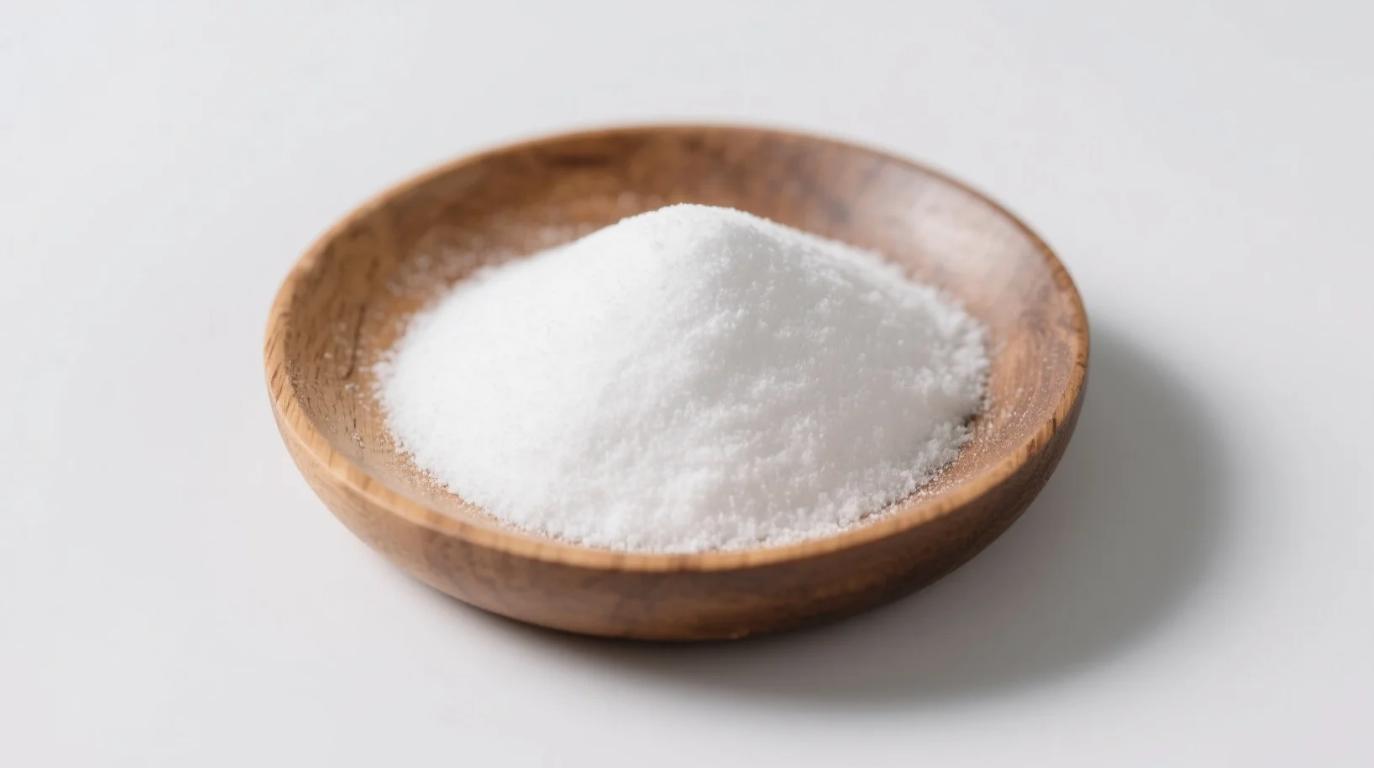
Organic Dextrose Powder
A simple, naturally derived sugar from organic corn starch, offering clean sweetness,…