


Table of Contents
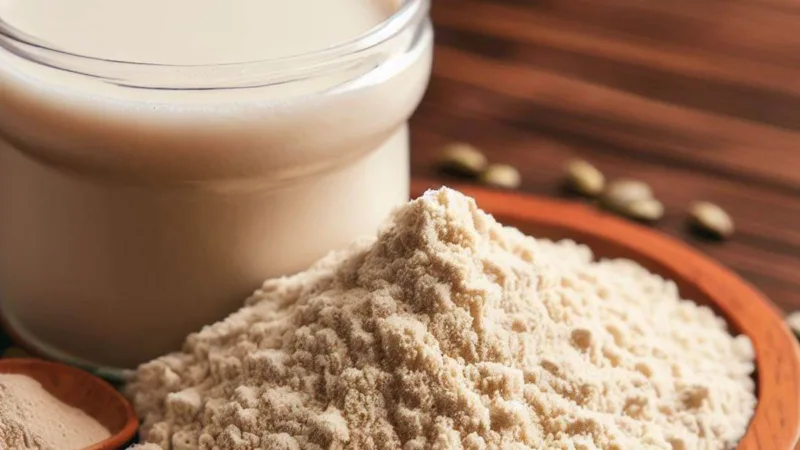
Organic hemp protein is one of the most versatile plant-based proteins available today. It blends smoothly into everyday meals, delivers a complete amino acid profile, and comes from one of the most environmentally responsible crops on the planet. Whether you are a seasoned plant-based eater or simply looking to add more protein to your diet without relying on animal products, hemp protein offers a practical, nutritious, and sustainable solution.
This guide covers five practical ways to use hemp protein powder in your daily diet, three straightforward recipes you can make at home, the environmental case for choosing organic hemp, what to look for when buying, and answers to the most common questions consumers ask.
Five Ways to Use Hemp Protein Every Day
Learning how to use hemp protein is easier than most people expect. Its mild, nutty flavor pairs well with both sweet and savory ingredients, and it holds up well in both raw and lightly cooked applications.
1. Blend It Into Smoothies
Adding two to three tablespoons of hemp protein powder to a morning smoothie is the most popular starting point for new users. Because hemp protein disperses well in liquid, it integrates without clumping. Pair it with frozen banana, spinach, almond milk, and a spoonful of nut butter for a breakfast that provides sustained energy throughout the morning. The healthy fats naturally present in hemp protein support cardiovascular health, while the fiber content helps keep digestion on track.
2. Stir It Into Oatmeal or Porridge
Hemp protein’s earthy flavor complements the nuttiness of whole oats. Stir one to two tablespoons into your bowl just before serving to preserve the protein content and avoid prolonged heat exposure. Top with berries, a drizzle of honey, and pumpkin seeds for added micronutrients. This approach is particularly useful for people who train in the morning and need a post-workout meal that supports muscle repair and recovery.
3. Use It in Baked Goods
Hemp protein can replace up to 25 percent of the flour in muffins, pancakes, energy bars, and quick breads without significantly altering the texture. The result is a denser, more nutritious product. Because hemp protein does contain some fat, baked goods stay moist longer. This is an excellent organic hemp protein recipe strategy for parents looking to boost the nutritional value of snacks without a noticeable taste difference.
4. Stir It Into Soups and Stews
Mixing hemp protein into a warm soup or stew toward the end of cooking is a practical way to fortify savory meals. It dissolves readily into broth-based dishes and adds body to thicker stews. Use it in lentil soup, vegetable chili, or a simple miso broth for an unobtrusive protein boost. Because prolonged high heat can degrade some amino acids, add the powder after removing the pot from heat or in the final two minutes of cooking.
5. Toss It Into Salads and Dressings
Whole hemp seeds are well known as a salad topping, but hemp protein powder can also be whisked into homemade dressings alongside olive oil, lemon juice, garlic, and herbs. This delivers protein alongside healthy omega-3 and omega-6 fatty acids in a format that requires zero cooking. Hemp protein also contributes meaningful amounts of iron, magnesium, zinc, and phosphorus, making it a true micronutrient addition rather than just a protein supplement.
Three Easy Organic Hemp Protein Recipes
The following recipes are designed to be accessible, require minimal equipment, and work for a range of dietary preferences. Each one demonstrates a different use case so you can identify which format fits your lifestyle best.
Recipe 1: Hemp Protein Green Smoothie
Serves: 1 Prep time: 5 minutes
Ingredients:
- 2 tablespoons organic hemp protein powder
- 1 medium frozen banana
- 1 cup fresh spinach
- 1 tablespoon almond butter or sunflower seed butter
- 1 cup unsweetened almond milk (or oat milk)
- 1 teaspoon maple syrup (optional)
- 4 to 5 ice cubes
Instructions:
- Add all ingredients to a blender in the order listed.
- Blend on high for 45 to 60 seconds until smooth and creamy.
- Taste and adjust sweetness with maple syrup if desired.
- Pour into a glass and serve immediately.
Why it works: The banana provides natural sweetness that balances the earthy notes of hemp protein. The spinach adds folate and iron without affecting flavor significantly. This smoothie delivers approximately 15 to 18 grams of protein per serving when made with a quality hemp protein powder.
Recipe 2: Hemp Protein Energy Balls
Serves: 12 balls Prep time: 15 minutes, plus 30 minutes chilling
Ingredients:
- 1 cup rolled oats
- 3 tablespoons organic hemp protein powder
- 3 tablespoons ground flaxseed
- 1/2 cup natural peanut butter or almond butter
- 3 tablespoons honey or agave syrup
- 1/2 teaspoon vanilla extract
- Pinch of sea salt
- Optional mix-ins: dark chocolate chips, dried cranberries, or shredded coconut
Instructions:
- Combine oats, hemp protein powder, flaxseed, and sea salt in a large mixing bowl. Stir well.
- Add the nut butter, honey, and vanilla extract. Mix until a uniform dough forms. If the mixture is too dry, add one teaspoon of water at a time.
- Fold in any optional mix-ins.
- Roll the mixture into balls approximately the size of a golf ball (about one tablespoon each).
- Place on a parchment-lined tray and refrigerate for at least 30 minutes before serving.
- Store in an airtight container in the refrigerator for up to one week.
Why it works: These no-bake bites are portable, require no special equipment, and hold up well as a pre-workout snack or afternoon pick-me-up. The combination of oats, hemp protein, and healthy fat provides a slow-release energy profile.
Recipe 3: Hemp Protein Overnight Oats
Serves: 1 Prep time: 5 minutes active, overnight resting
Ingredients:
- 1/2 cup rolled oats
- 2 tablespoons organic hemp protein powder
- 1 cup unsweetened plant-based milk
- 1 tablespoon chia seeds
- 1/2 teaspoon cinnamon
- 1 teaspoon honey or maple syrup
- Toppings: sliced banana, fresh berries, a handful of walnuts
Instructions:
- Combine oats, hemp protein powder, chia seeds, and cinnamon in a jar or container with a lid.
- Pour in the plant-based milk and stir until evenly mixed.
- Add honey or maple syrup and stir again.
- Seal the container and refrigerate overnight, or for a minimum of four hours.
- In the morning, give the oats a stir, add toppings of your choice, and serve cold.
Why it works: Overnight preparation means zero morning effort. Chia seeds and hemp protein together provide both soluble fiber and complete protein, supporting digestive health and prolonged satiety. This is one of the most practical organic hemp protein recipes for busy weekday mornings.
The Environmental Case for Choosing Organic Hemp Protein
Choosing hemp protein over other plant-based proteins is not only a dietary decision — it is an environmental one. Hemp stands out among agricultural crops for its measurable positive impact on the planet, and understanding these benefits helps consumers make more informed purchasing decisions.
Hemp Is a Naturally Sustainable Crop
Hemp (Cannabis sativa L.) grows rapidly, typically reaching maturity in 70 to 110 days. It requires significantly less water than soy or almond crops, grows well in a wide range of climates without the need for heavy irrigation infrastructure, and is naturally resistant to most pests. This means conventional hemp cultivation requires far fewer pesticide inputs than comparable protein crops, and certified organic hemp production eliminates synthetic chemical inputs entirely.
Hemp Improves Soil Health
Hemp has deep, fibrous root systems that reduce soil erosion, improve soil structure, and support microbial biodiversity in the topsoil. Farmers who rotate hemp into their crop cycles frequently report improved soil health over subsequent growing seasons. This phytoremediation effect means that hemp farming actively restores rather than depletes the land, a quality that is rare among high-yield agricultural crops.
Hemp Sequesters Carbon at Scale
One of the most compelling hemp protein sustainability arguments is the crop’s carbon sequestration capacity. According to peer-reviewed research, one hectare of hemp absorbs approximately 1.62 tonnes of carbon dioxide per tonne of hemp harvested. This makes hemp a carbon-negative crop under many production conditions — meaning it removes more carbon from the atmosphere over its growing cycle than is emitted during production. For consumers who weigh the environmental footprint of their food choices, this data point is significant and sets hemp apart from most other protein sources, plant-based or otherwise.
Hemp Packaging and By-Products Are Biodegradable
The hemp plant produces multiple co-products — fiber, seed oil, hulls, and protein — which means that very little of the harvested biomass goes to waste. Additionally, hemp-based packaging materials are increasingly used by producers committed to reducing plastic waste. When you choose an organic hemp protein brand that uses responsible packaging, you extend the sustainability benefit beyond the crop itself and into the supply chain.
What to Look for When Buying Organic Hemp Protein
Not all hemp protein powders are equal in quality or environmental integrity. Keep these criteria in mind when selecting a product:
- Certified organic: Look for a recognized third-party organic certification. This confirms that no synthetic pesticides or fertilizers were used during cultivation, which protects both your health and soil quality.
- Cold-pressed or cold-processed: Heat processing can degrade the amino acid profile and reduce the bioavailability of nutrients. Cold-processed hemp protein retains more of its natural nutritional value.
- Protein content per serving: A high-quality hemp protein powder typically provides 13 to 15 grams of protein per 30-gram serving. Powders with lower percentages may contain significant amounts of filler or unhulled seed.
- Minimal ingredients: The ingredient list should ideally contain one item: hemp protein powder. Avoid products with unnecessary fillers, artificial sweeteners, or preservatives.
- Country of origin: Hemp grown in regions with strict organic agriculture regulations tends to have lower contamination risk. Check labels for origin transparency.
Start Using Hemp Protein Today
Organic hemp protein is practical, nutritious, and backed by a compelling environmental profile. Whether you start with a daily smoothie, try a batch of no-bake energy balls, or experiment with substituting it into your existing baked recipes, the barrier to entry is low and the benefits are immediate.
When you choose organic hemp protein, you are making a choice that supports your health, reflects your dietary values, and contributes to a more sustainable food system. Explore our range of certified organic hemp protein products and find the right option for your lifestyle.